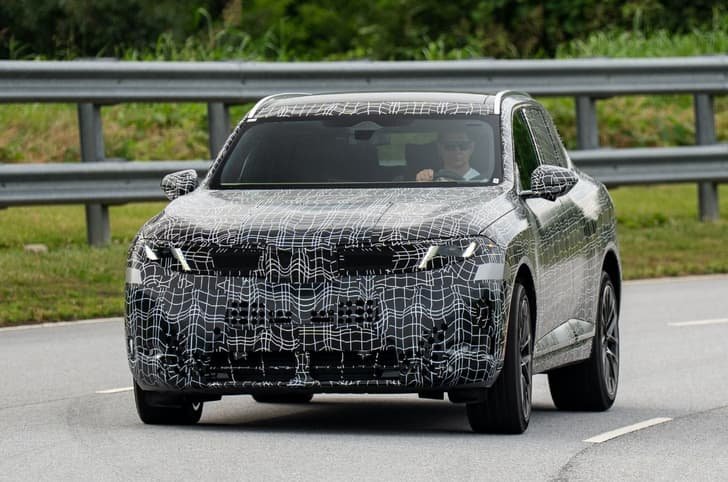
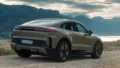
BMW is preparing one of the most important vehicle launches in its modern History. The next-generation BMW X5, internally known as the G65, will not only continue the legacy of one of the world’s most successful luxury SUVs but will also introduce the first-ever fully electric BMW iX5. More importantly, the electric version will arrive with the largest battery pack ever fitted to a BMW production vehicle.
Expected to make its global debut in 2027, the BMW iX5 represents far more than an electrified version of the current X5. It serves as a showcase for BMW’s latest electric vehicle technologies, sixth-generation eDrive system, advanced software architecture, and the company’s broader strategy of offering multiple powertrain choices on a single platform.
As the luxury automotive industry transitions toward electrification, BMW is taking a distinctive approach by simultaneously investing in battery-electric vehicles, hydrogen fuel-cell technology, plug-in hybrids, and efficient combustion engines. The upcoming iX5 sits at the center of this strategy.
With a battery larger than many electric pickups and performance figures that rival sports cars, the iX5 could become one of the most significant premium electric SUVs of the decade.
BMW iX5: Key Highlights at a Glance
| Specification | BMW iX5 (Expected) |
|---|---|
| Global Debut | 2027 |
| Platform | CLAR with 800V Architecture |
| Battery Capacity | 141kWh–144kWh |
| Drive System | Dual-Motor AWD |
| Power Output | 572hp |
| Torque | 805Nm |
| 0-100kph | 4.6 Seconds |
| Wheel Size | Up to 23 Inches |
| Technology | BMW Heart of Joy Control Unit |
Why the BMW iX5 Matters More Than Previous Electric BMWs
BMW has already launched several electric vehicles, including the i4, i5, i7, iX1, iX, and iX3. However, the iX5 occupies a unique position within the company’s portfolio.
The X5 has long been one of BMW’s global best-selling SUVs, particularly in North America, Europe, china, and increasingly in emerging luxury markets. Electrifying such a successful model is a major milestone because it signals BMW’s confidence that premium SUV buyers are ready to embrace battery-electric technology without sacrificing performance, comfort, or practicality.
Unlike niche EVs designed primarily to showcase technology, the iX5 is expected to become a mainstream luxury product within BMW’s lineup.
This gives the vehicle strategic importance not only for BMW but also for the wider premium Electric SUV segment.
BMW’s Largest Battery Ever: What a 144kWh Pack Means
The headline feature of the upcoming iX5 is undoubtedly its enormous battery pack.
BMW has confirmed that the American-market version will receive a 144kWh usable battery, while European variants will get a slightly smaller 141kWh unit. Both figures represent the largest battery capacities ever offered by BMW.
For perspective, current BMW electric models feature significantly smaller battery packs.
| BMW EV Model | Battery Capacity |
|---|---|
| BMW iX1 | 64.7kWh |
| BMW i4 eDrive40 | 83.9kWh |
| BMW i5 | 81.2kWh |
| BMW iX | 105.2kWh |
| BMW iX3 (Neue Klasse) | 112kWh |
| Upcoming BMW iX5 | 141-144kWh |
This massive battery suggests BMW is targeting exceptional long-distance usability, one of the key concerns among premium SUV buyers transitioning to electric vehicles.
While official range figures remain undisclosed, industry estimates suggest the iX5 could comfortably exceed 700 kilometers under favorable testing conditions, depending on market specifications and testing standards.
The Shift to 800V Technology: Why It Is a Game Changer
The iX5 will feature an advanced 800-volt electrical architecture, a significant upgrade over traditional 400V systems found in many electric vehicles.
The advantages of an 800V platform include:
- Faster DC charging speeds.
- Improved energy efficiency.
- Reduced heat generation.
- Lower charging times.
- Enhanced power delivery.
- Better overall vehicle performance.
This technology places BMW alongside premium EV manufacturers that are increasingly adopting high-voltage architectures to improve user experience.
For luxury SUV buyers, charging convenience often matters as much as battery size. A large battery becomes significantly more practical when it can be replenished quickly during long-distance travel.
Performance That Rivals Sports Cars
Despite its size and focus on luxury, the iX5 is expected to deliver performance figures worthy of BMW’s performance heritage.
The dual-motor all-wheel-drive setup reportedly consists of:
- Rear Motor: 330hp and 500Nm
- Front Motor: 248hp and 305Nm
- Combined Output: 572hp
- Total Torque: 805Nm
These figures would allow the electric SUV to accelerate from 0-100kph in approximately 4.6 seconds.
That level of acceleration places the iX5 firmly among high-performance luxury SUVs, demonstrating how electrification continues to blur the lines between performance and practicality.
BMW’s Sixth-Generation eDrive Technology Explained
The iX5 will benefit from BMW’s sixth-generation eDrive technology, which represents a substantial evolution of the company’s electric powertrain systems.
Key improvements include:
- Higher energy density batteries.
- Improved efficiency.
- Enhanced thermal management.
- More compact motor packaging.
- Reduced energy losses.
- Better charging performance.
A major Innovation is the introduction of cylindrical battery cells, replacing older cell formats used in previous generations.
BMW claims these new cells improve energy density significantly while reducing charging times and increasing overall driving range.
This technology is expected to form the foundation of BMW’s electric vehicle strategy throughout the remainder of the decade.
The Multi-Powertrain Strategy: BMW’s Unique Approach
While several automakers are aggressively moving toward all-electric lineups, BMW continues to pursue a technology-neutral strategy.
The next-generation X5 exemplifies this philosophy.
Following the launch of the electric iX5 in 2027, BMW plans to introduce additional variants in 2028, including:
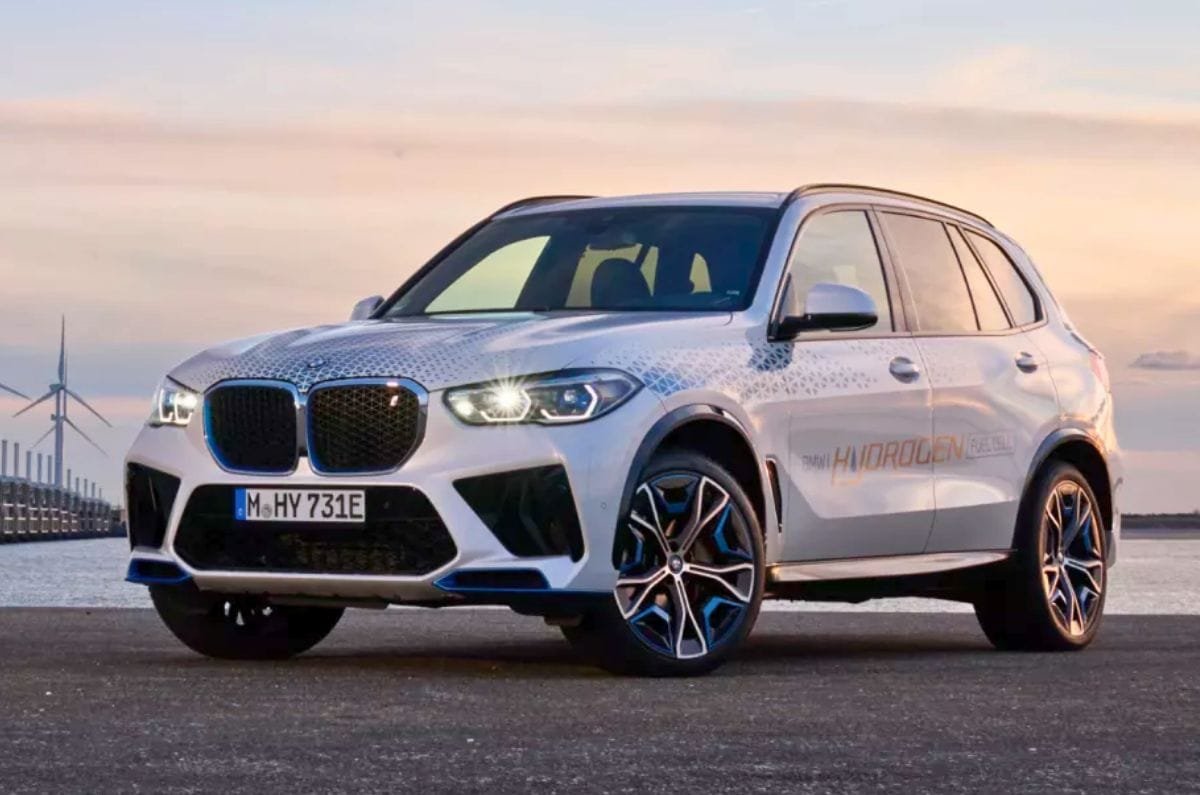
- Hydrogen fuel-cell version.
- Petrol-powered models.
- Diesel-powered variants.
- Plug-in hybrid versions.
This approach allows BMW to adapt to varying regional regulations, charging Infrastructure maturity, and consumer preferences.
Rather than forcing a single solution, BMW is giving customers multiple pathways toward lower-emission mobility.
BMW’s Hydrogen Ambitions Are Becoming Reality
Perhaps the most intriguing aspect of the next-generation X5 Family is the planned hydrogen-powered variant.
The production-spec hydrogen X5 will mark a major milestone for BMW, becoming one of the company’s first mainstream hydrogen fuel-cell vehicles.
BMW has spent years developing fuel-cell technology alongside Toyota, one of the industry’s leading hydrogen advocates.
The collaboration has already produced prototype vehicles demonstrating:
- Fast refueling times.
- Long driving range.
- Zero tailpipe emissions.
- Traditional vehicle usability.
Unlike battery-electric vehicles, hydrogen fuel-cell models can be refueled in minutes, offering a driving experience closer to conventional internal combustion vehicles.
However, widespread adoption still depends heavily on hydrogen infrastructure expansion.
The Heart of Joy: BMW’s New Brain for Vehicle Dynamics
One of the most significant technological upgrades arriving with the G65 X5 is BMW’s new “Heart of Joy” control unit.
This advanced computing system serves as the central brain responsible for managing vehicle dynamics.
BMW claims it operates ten times faster than previous systems.
The benefits include:
- Improved steering precision.
- Better handling responses.
- Smoother regenerative braking.
- Enhanced ride comfort.
- Increased energy recovery.
- Greater overall driving refinement.
As vehicles become increasingly software-defined, systems like Heart of Joy are becoming just as important as engines and motors.
Luxury Meets Performance: Advanced Suspension Technology
BMW is also enhancing ride quality and driving dynamics through sophisticated suspension technologies.
Adaptive dampers will be standard across the range.
Higher-end models, including the iX5 and plug-in hybrid variants, will offer an optional Adaptive M Suspension Professional package featuring:
- Rear-wheel steering.
- Active roll stabilization.
- Two-axle air suspension.
- Electronically controlled dampers.
These technologies are designed to make a large SUV feel more agile during spirited driving while maintaining exceptional comfort during daily commuting and long-distance travel.
Neue Klasse Design Language Comes to the X5
The next-generation X5 will adopt BMW’s new Neue Klasse design philosophy, first introduced on the latest iX3.
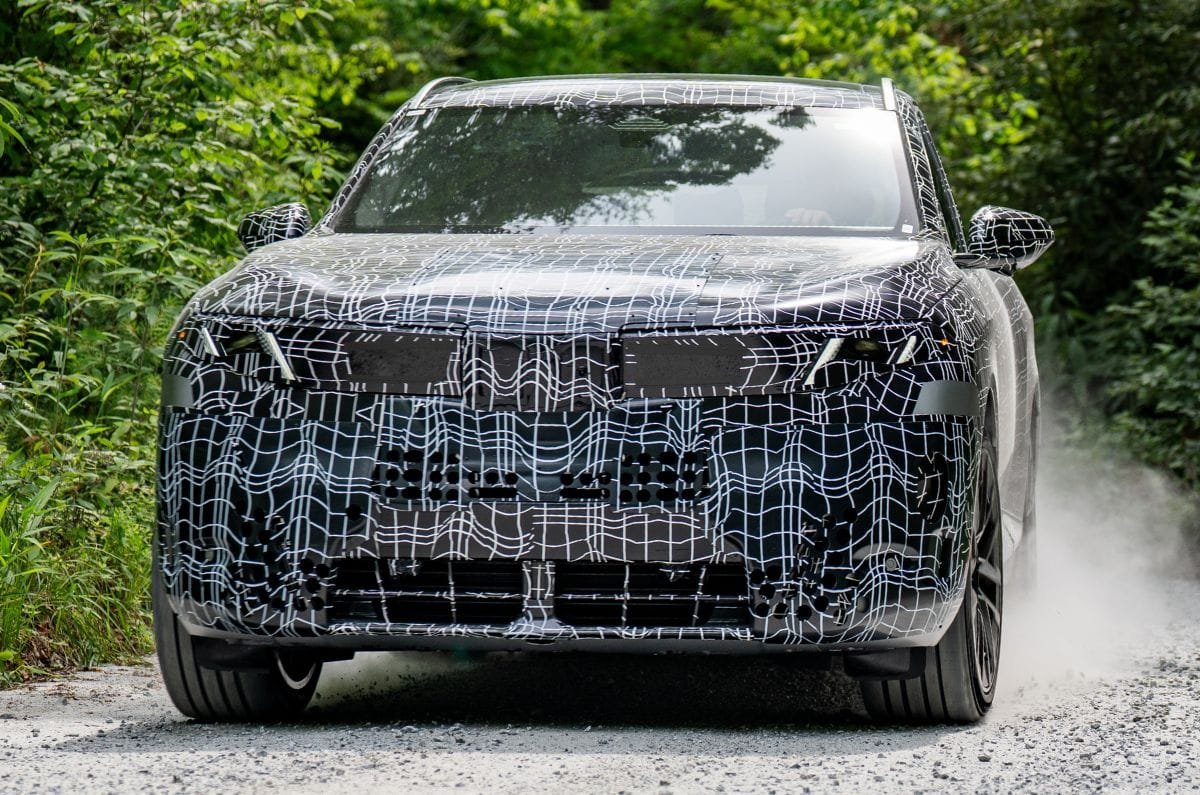
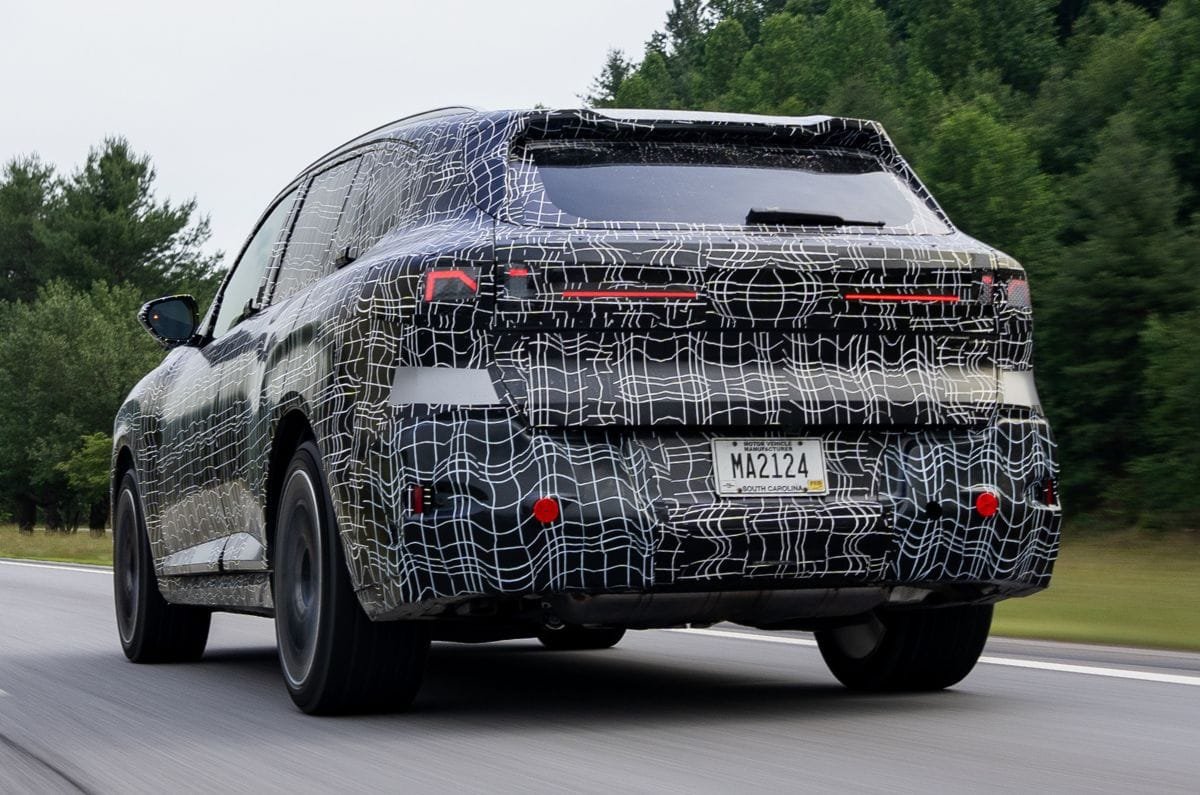
Although heavily camouflaged prototypes have limited visibility, several design elements are already evident.
Expected exterior highlights include:
- Snake-eye LED headlamps.
- Slim illuminated grille.
- Cleaner aerodynamic surfaces.
- Connected lighting elements.
- Up to 23-inch alloy wheels.
- More aerodynamic proportions.
The design direction reflects BMW’s effort to modernize its appearance while improving efficiency and aerodynamic performance.
A Revolutionary Interior Experience
The cabin of the new X5 is expected to undergo one of the most dramatic transformations in the model’s history.
Inspired by the latest Neue Klasse concepts, the interior will feature:
- Panoramic iDrive display.
- Windshield-spanning information projection.
- 17.9-inch central touchscreen.
- Minimalist dashboard design.
- Polygonal steering wheel.
- Advanced voice and AI integration.
The shift highlights the industry’s broader transition toward software-centric user experiences where digital interfaces become as important as mechanical engineering.
How the BMW iX5 Compares to Future Rivals
| Model | Power | Battery | Platform |
|---|---|---|---|
| BMW iX5 | 572hp | 141-144kWh | 800V |
| Mercedes EQS SUV | Up to 544hp | 118kWh | 400V |
| Audi Q8 e-tron | Up to 503hp | 114kWh | 400V |
| Porsche Cayenne EV | TBA | TBA | 800V |
| Range Rover Electric | TBA | TBA | 800V |
The BMW iX5’s massive battery and advanced architecture could provide a significant competitive advantage when it enters the luxury electric SUV market.
India Launch Expectations and Market Impact
India remains one of BMW’s fastest-growing luxury vehicle markets, and the X5 continues to be one of the company’s most important models in the country.
The current-generation X5 is available with both petrol and diesel six-cylinder engines, catering to a broad range of premium SUV buyers.
The arrival of the next-generation X5 family could accelerate EV adoption in India’s luxury segment, particularly as charging infrastructure continues expanding across major metropolitan regions.
Whether BMW introduces the fully electric iX5 immediately or initially prioritizes hybrid and combustion variants remains to be seen, but market demand for premium electric SUVs is expected to grow substantially by the time the model arrives.
Conclusion: BMW’s Most Important SUV Yet?
The upcoming BMW iX5 is more than just an electric version of a popular luxury SUV. It represents the convergence of BMW’s future technologies, including sixth-generation eDrive systems, 800V architecture, advanced software platforms, hydrogen development, and next-generation digital experiences.
Its enormous 144kWh battery, impressive performance figures, and innovative engineering suggest BMW is targeting Leadership in the premium electric SUV segment rather than simply participating in it.
The broader significance lies in BMW’s multi-path strategy. While competitors increasingly commit to a single technological direction, BMW is simultaneously advancing battery-electric, hydrogen, hybrid, petrol, and diesel solutions. The next-generation X5 becomes the ultimate expression of that philosophy.
As the luxury automotive industry enters a new era, the iX5 may ultimately be remembered not only for having BMW’s largest battery pack but for demonstrating how premium SUVs can successfully bridge the gap between traditional performance, cutting-edge technology, and sustainable mobility.
For breaking news and live news updates, like us on Facebook or follow us on Twitter and Instagram. Read more on Latest Automobile on thefoxdaily.com.



COMMENTS 0