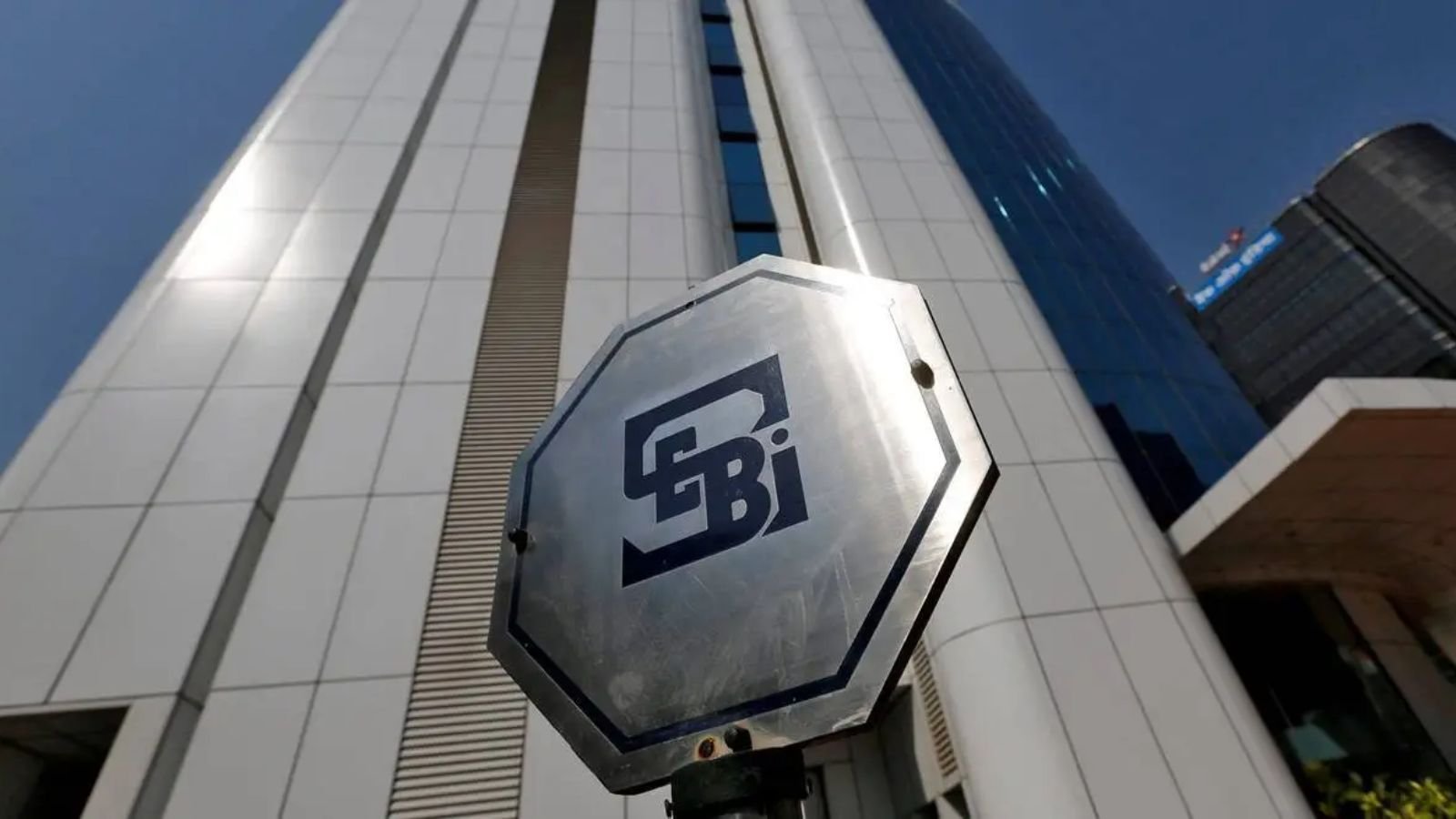
The Securities and Exchange Board of India (SEBI) has approved the return of open-market share buybacks, marking a major shift in how listed companies can reward shareholders and manage excess capital. The move follows tax reforms announced in the Union Budget 2026-27 and is expected to provide greater flexibility to companies while boosting liquidity and participation in India’s stock market.
Starting August 1, 2026, listed companies will once again be allowed to repurchase their shares directly through stock exchanges. The decision reverses the phase-out of open-market buybacks that occurred between 2023 and 2025 due to taxation concerns. Alongside the buyback reforms, SEBI has also simplified the transfer of securities held by deceased investors and expanded operational borrowing flexibility for Mutual Funds.
The development comes at a crucial time when India’s capital markets are witnessing record participation from retail investors, growing institutional investments, and increasing corporate cash reserves. The return of open-market buybacks could influence stock valuations, corporate Finance strategies, and shareholder returns for years to come.
What Is an Open-Market Buyback?
A share buyback occurs when a company purchases its own shares from investors. The objective is typically to reduce the number of shares outstanding, improve financial metrics, return excess cash to shareholders, and signal confidence in the company’s future prospects.
In an open-market buyback, a company buys shares directly through stock exchanges over a defined period, just like any other market participant. This method differs from a tender offer, where shareholders are invited to sell shares back to the company at a fixed price.
Open-market buybacks are widely used in mature markets because they provide management with greater flexibility in terms of timing, pricing, and execution.
Why SEBI Had Discontinued Open-Market Buybacks
The mechanism was effectively discontinued due to concerns surrounding taxation and fairness among shareholders.
Under the earlier framework, companies undertaking buybacks were required to pay buyback tax. This created an unusual situation where shareholders WHO did not participate in the buyback could indirectly bear part of the economic impact. Regulators and policymakers felt the system needed reform before allowing wider use of open-market repurchases.
The turning point came with the Union Budget 2026-27, which shifted the taxation of buybacks toward the capital gains framework. This change aligned buybacks more closely with regular market transactions and removed a major regulatory obstacle.
With the tax issue addressed, SEBI concluded that open-market buybacks could be safely reintroduced with additional safeguards to protect investors.
Key Features of SEBI’s New Buyback Framework
The revised framework introduces flexibility while ensuring that companies execute buybacks responsibly.
- Open-market buybacks become effective from August 1, 2026.
- Buybacks must be completed within 66 working days from commencement.
- At least 40% of the approved buyback amount must be utilized during the first half of the buyback period.
- Promoters are prohibited from participating in open-market buybacks.
- The framework includes safeguards aimed at preventing misuse and improving transparency.
The requirement to deploy a significant portion of funds early in the process prevents companies from announcing buybacks merely to create positive market sentiment without meaningful execution.
Why the Promoter Ban Is Important
One of the most notable aspects of the new framework is the restriction on promoter participation.
Promoters often hold substantial stakes in listed companies. Allowing them to participate in buybacks could potentially create opportunities for tax arbitrage or disproportionate benefits. By preventing promoter participation, SEBI seeks to ensure that the benefits of buybacks are distributed more fairly among public shareholders.
This safeguard also strengthens investor confidence by reducing potential conflicts of interest and reinforcing market integrity.
How Companies Benefit from Open-Market Buybacks
The return of open-market buybacks provides companies with a powerful financial management tool.
Greater Capital Allocation Efficiency
Many successful companies accumulate significant cash reserves. While some of this cash may be earmarked for expansion or acquisitions, excess funds can reduce capital efficiency if left unused. Buybacks allow management to return surplus capital to shareholders in a disciplined manner.
Improved Financial Ratios
Reducing the number of outstanding shares can improve earnings per share (EPS), return on equity (ROE), and other key financial indicators. These metrics often influence investor sentiment and company valuations.
Flexibility Compared to Dividends
Unlike dividends, which often create expectations of recurring payouts, buybacks provide management with flexibility. Companies can execute them when financial conditions are favorable without committing to future distributions.
Market Confidence Signal
When management chooses to buy back shares, it often indicates confidence that the stock is undervalued relative to the company’s long-term prospects.
Open-Market Buyback vs Tender Offer Buyback
| Parameter | Open-Market Buyback | Tender Offer Buyback |
|---|---|---|
| Purchase Method | Through stock exchanges | Direct offer to shareholders |
| Pricing | Market-driven | Fixed premium price |
| Execution Flexibility | High | Moderate |
| Corporate Convenience | Higher | Lower |
| Investor Participation | Based on market selling | Structured participation |
| Speed of Execution | Continuous purchases | Fixed buyback window |
The reintroduction of open-market buybacks effectively gives companies another option for capital management while maintaining existing tender offer mechanisms.
Why This Matters for Retail Investors
Retail investors are likely to be among the biggest beneficiaries of the new framework.
Buyback announcements often attract attention because they can indicate management’s confidence in the company’s future performance. Historically, companies with strong cash flows and healthy balance sheets have used buybacks to enhance shareholder value during periods of market volatility.
However, investors should avoid treating every buyback as a positive signal. The quality of the company’s business model, growth opportunities, debt levels, and cash generation capacity remain far more important than the buyback itself.
In some cases, companies may use buybacks primarily to support short-term share prices rather than create sustainable long-term value. Therefore, investors should always evaluate the broader fundamentals before making investment decisions.
Impact on Market Liquidity and Efficiency
The return of open-market buybacks is expected to improve liquidity across India’s equity markets.
Since buybacks involve continuous market purchases, they create additional demand for shares. This can enhance trading activity, improve price discovery, and increase participation from various investor categories.
Greater liquidity is particularly important as India’s stock market continues to attract both domestic and international capital. Efficient capital allocation mechanisms help mature markets function more effectively and support long-term economic growth.
India’s Growing Equity Market Creates the Right Environment
The timing of the reform is significant.
India’s stock market has undergone a dramatic transformation over the past decade. The number of demat accounts has expanded substantially, systematic investment plans (SIPs) continue to attract record inflows, and retail participation has reached unprecedented levels.
At the same time, many listed companies have strengthened their balance sheets and accumulated significant cash reserves. This creates an Environment where buybacks can become an important capital management strategy.
As India’s Economy continues to expand, corporate boards are increasingly focused on optimizing shareholder returns while maintaining growth investments. Open-market buybacks provide an additional tool to achieve that balance.
SEBI’s Investor-Friendly Reforms Beyond Buybacks
While buybacks received the most attention, SEBI also announced measures designed to simplify life for investors and their families.
The regulator introduced a new “quick transmission processing” category for the transfer of securities held by deceased investors. This initiative is intended to reduce paperwork and accelerate the settlement of smaller claims.
The new thresholds include:
- Up to ₹10,000 for physically held securities.
- Up to ₹30,000 for dematerialized securities.
SEBI also increased the limits for simplified documentation requirements.
| Holding Type | Previous Limit | New Limit |
|---|---|---|
| Physical Securities | ₹5 lakh | ₹10 lakh |
| Dematerialized Securities | ₹15 lakh | ₹30 lakh |
These changes are expected to reduce administrative burdens and help families access inherited investments more quickly.
How Mutual Funds Gain Additional Flexibility
SEBI also relaxed rules governing intraday borrowing by mutual funds.
Previously, mutual funds could use borrowing facilities only for limited purposes such as redemption obligations and interest payments. Under the revised framework, fund houses can also use intraday borrowing to manage settlement timing mismatches, foreign exchange settlements, and derivative-related obligations.
Importantly, these borrowings must still be repaid by the end of the day, ensuring that operational flexibility does not translate into excessive leverage.
This change provides fund managers with greater operational efficiency while maintaining investor protections.
The Bigger Picture: A Shift Toward Smarter Regulation
The buyback reforms highlight a broader trend in India’s regulatory approach. Rather than relying solely on restrictions, regulators are increasingly focusing on creating flexible frameworks supported by strong safeguards.
This philosophy reflects the growing maturity of India’s Financial Markets. As the country attracts larger pools of domestic and global capital, regulations must balance Innovation, efficiency, and investor protection.
The combination of buyback reforms, inheritance simplification, and mutual fund flexibility demonstrates SEBI’s intention to modernize market operations without compromising transparency.
Potential Risks Investors Should Watch
Although the reform is broadly positive, there are potential risks.
- Companies may prioritize buybacks over productive long-term investments.
- Investors may overreact to buyback announcements.
- Some firms may attempt to use buybacks to support short-term valuations.
- Continuous regulatory oversight will remain necessary.
SEBI’s safeguards, including promoter restrictions and mandatory utilization requirements, are specifically designed to reduce these risks.
Future Outlook: Could Buybacks Become a Major Corporate Trend?
The return of open-market buybacks arrives at a time when many Indian corporations are generating strong profits and holding substantial cash reserves. As a result, analysts expect increased buyback activity across sectors such as information technology, Banking, pharmaceuticals, manufacturing, and consumer goods.
Companies with healthy balance sheets but limited immediate expansion requirements may increasingly use buybacks as a tool to improve shareholder returns and optimize capital structures.
Over the next several years, the success of the new framework will depend on whether it enhances liquidity, supports fair shareholder participation, and encourages responsible capital allocation practices.
Conclusion
SEBI’s decision to reintroduce open-market buybacks represents one of the most important Corporate Governance and capital market reforms of 2026. By combining tax reforms with investor protection measures, the regulator has created a framework that offers greater flexibility to companies while preserving market fairness.
The reform is expected to improve liquidity, enhance shareholder returns, and align India’s market practices more closely with global standards. Combined with simplified inheritance procedures and greater operational flexibility for mutual funds, the changes underscore SEBI’s commitment to building a more efficient, investor-friendly, and globally competitive financial ecosystem.
As the new rules take effect from August 2026, investors and corporate leaders alike will be watching closely. If implemented successfully, open-market buybacks could become a key driver of capital efficiency and shareholder value creation in India’s rapidly evolving stock market.
For breaking news and live news updates, like us on Facebook or follow us on Twitter and Instagram. Read more on Latest Business on thefoxdaily.com.






COMMENTS 0