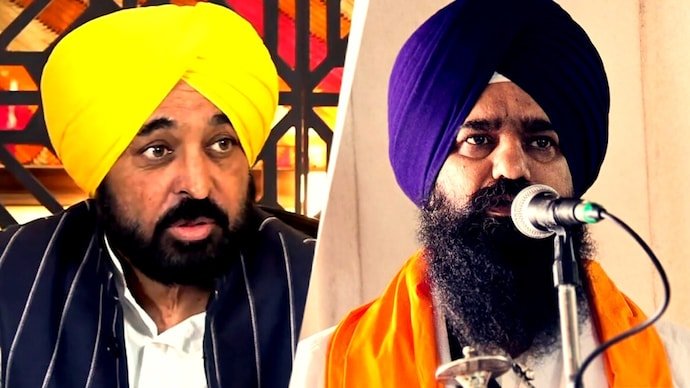
The Akal Takht Punjab Government dispute has entered a new phase after Akal Takht Jathedar Giani Kuldeep Singh Gargaj issued a public ultimatum demanding action against what he described as organized online trolling targeting Sikh religious institutions. Speaking during a Panthic congregation in Amritsar, the Jathedar alleged that coordinated Social Media operations were circulating objectionable content against Sri Akal Takht Sahib and other Sikh bodies. He warned that if the Punjab government failed to address the issue within ten days, Nihang Sikhs would take action. The Punjab government, through the Aam Aadmi Party (AAP), rejected the allegations, stating that it operates no such troll centres. The development has brought renewed attention to the relationship between Punjab’s elected government and one of Sikhism‘s most respected religious institutions.
WHO issued the warning? Akal Takht Jathedar Giani Kuldeep Singh Gargaj. What was demanded? Action against alleged online trolling targeting Sikh institutions. When? During a Panthic congregation in Amritsar. Where? The gathering was organized at the Golden Temple complex by the Shiromani Gurdwara Parbandhak Committee (SGPC). Why has the issue become significant? It reflects broader tensions involving religious authority, political governance, and the growing influence of social media. How has the government responded? The AAP has denied operating any alleged troll centres and rejected the accusations.
What Is the Akal Takht?
The Akal Takht is one of the five temporal seats of authority in Sikhism and is regarded as the highest institution for matters concerning the Sikh Panth’s temporal affairs.
Established in 1606 by Guru Hargobind Sahib, the Akal Takht symbolizes justice, sovereignty, and the responsibility of Sikhs to uphold righteousness alongside spiritual values.
Its decisions and religious directives carry considerable moral influence within the global Sikh community.
Why the Latest Dispute Began
During the Panthic congregation, the Jathedar alleged that coordinated online campaigns based in Mohali and Chandigarh were publishing content intended to undermine Sikh institutions.
He claimed that the matter had previously been raised with authorities but that no effective action had followed.
However, no public evidence was presented during the address to substantiate the allegations.
The 10-Day Ultimatum
The most significant announcement from the congregation was the issuance of a ten-day deadline to the Punjab government.
According to the Jathedar:
- Authorities should investigate the alleged online operations.
- The alleged campaigns should be stopped.
- Failure to act could lead to further responses from Nihang groups.
The statement has generated political debate because of its strong language and the sensitivity surrounding both religious institutions and public order.
AAP Rejects the Allegations
The ruling Aam Aadmi Party denied operating any social media centres of the type alleged during the congregation.
Party spokesperson Baltej Pannu stated that the party has no IT cell or organized troll infrastructure matching the allegations made by the Akal Takht leadership.
At present, the claims and counterclaims remain disputed publicly.
Role of the SGPC in the Gathering
The Panthic congregation was organized by the Shiromani Gurdwara Parbandhak Committee (SGPC), the statutory body responsible for managing many historic Sikh gurdwaras.
The SGPC plays a central role in:
- Administration of major Sikh shrines.
- Religious education.
- Preservation of Sikh heritage.
- Management of community institutions.
- Organization of Panthic events.
Understanding the Gurmata Adopted During the Meeting
One important outcome of the congregation was the adoption of a Gurmata.
In Sikh tradition, a Gurmata refers to a collective resolution adopted by representatives or members of the Sikh community on matters concerning the Panth.
According to participants, Sunday’s resolution reaffirmed the supreme authority of the Akal Takht in issues relating to Sikh religious affairs.
Who Are the Nihang Sikhs?
The remarks also referred to Nihang Sikhs, a traditional Sikh warrior order with a long historical association with defending Sikh institutions and heritage.
Nihangs are recognized for:
- Distinctive blue attire.
- Traditional martial practices.
- Historical military role.
- Preservation of Sikh martial heritage.
- Participation in religious processions.
Today, Nihang groups primarily function as religious and cultural organizations, although they continue to occupy a respected place in Sikh history.
Growing Influence of Social Media in Religious Debates
The dispute also illustrates how social media has become increasingly significant in religious and political discussions.
Digital platforms now influence:
- Public opinion.
- Community mobilization.
- Religious discourse.
- Political communication.
- Information sharing.
At the same time, concerns about misinformation, abusive content, impersonation, and coordinated online campaigns have become common across many democracies.
Timeline of the Current Dispute
| Event | Development | Significance |
|---|---|---|
| Previous concerns | Issue reportedly raised with authorities. | Forms basis of latest allegations. |
| Panthic congregation | Meeting held in Amritsar. | Public announcement made. |
| Ultimatum issued | 10-day deadline announced. | Escalates dispute. |
| AAP response | Government rejects allegations. | Creates competing narratives. |
| Next phase | Government response awaited. | May shape future developments. |
Balancing Religious Freedom and Rule of Law
Democratic societies often face the challenge of balancing freedom of expression, protection of religious institutions, and enforcement of public order.
Where allegations involve coordinated online activity, investigations generally rely on digital evidence, cyber forensic analysis, and applicable legal procedures.
Public allegations alone do not establish factual responsibility without supporting evidence and due process.
Comparison: Religious Authority and State Authority
| Religious Institutions | Elected Government |
|---|---|
| Provide spiritual and community guidance. | Exercise executive and administrative authority. |
| Issue religious resolutions. | Implement laws and public policy. |
| Represent faith-based concerns. | Maintain law and order. |
| Influence community opinion. | Exercise constitutional powers. |
Why the Issue Matters Beyond Punjab
The dispute reflects broader national and global questions about the relationship between religious institutions, governments, and digital communication.
Across many countries, governments and civil society organizations continue to debate how to address:
- Online misinformation.
- Religious hate speech.
- Coordinated digital campaigns.
- Freedom of expression.
- Platform accountability.
These issues increasingly influence public trust and democratic institutions.
A Unique Insight: Digital Reputation Has Become a New Institutional Challenge
Historically, religious institutions primarily managed their public image through community engagement, publications, and traditional media. Today, social media has transformed that landscape. Online narratives—whether accurate or misleading—can spread rapidly and influence public perception within hours.
As a result, institutions of every kind, including religious organizations, governments, universities, and businesses, now face the shared challenge of protecting their reputations while respecting freedom of expression and the rule of law.
Future Outlook
The coming days are likely to determine whether the current standoff moves toward dialogue or further confrontation. If authorities choose to examine the allegations, any findings would be expected to rely on verifiable digital evidence and legal procedures. At the same time, continued communication between religious representatives and the Punjab government could help reduce tensions and prevent further escalation.
The broader debate over online content, institutional reputation, and responsible digital conduct is expected to remain relevant well beyond this specific dispute, as governments and communities continue adapting to the challenges of the digital age.
Conclusion
The Akal Takht Punjab government dispute highlights the increasingly complex intersection of religion, politics, and digital communication. While Akal Takht Jathedar Giani Kuldeep Singh Gargaj has alleged the existence of organized online campaigns targeting Sikh institutions and issued a ten-day ultimatum, the Punjab government has categorically denied operating any such troll centres. As the allegations remain publicly disputed and no supporting evidence has been presented, the situation continues to evolve.
Beyond the immediate Controversy, the episode underscores the growing influence of social media on public institutions and the importance of addressing serious allegations through transparent Investigation, verifiable evidence, and established legal processes. How both religious leaders and state authorities respond in the coming days may shape not only this dispute but also broader conversations about digital accountability and institutional trust in Punjab.
For breaking news and live news updates, like us on Facebook or follow us on Twitter and Instagram. Read more on Latest India on thefoxdaily.com.






COMMENTS 0