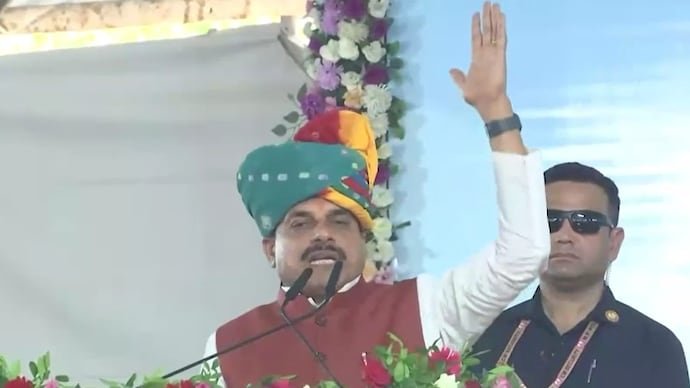
The debate over the Uniform Civil Code (UCC) has once again moved to the forefront of Indian Politics after Madhya Pradesh Chief Minister Mohan Yadav reiterated his government’s commitment to introducing a common civil law for all citizens. Speaking at a public event in Bhopal, Yadav argued that personal laws governing marriage, divorce, inheritance, adoption and family matters should not vary based on religion, emphasizing that every citizen should be subject to one uniform legal framework.
His remarks come at a significant time, with the Madhya Pradesh government expected to introduce a Uniform Civil Code Bill during the Monsoon Session of the state Assembly. The proposed legislation follows months of consultations conducted by a committee headed by former Supreme Court judge Justice Ranjana Prakash Desai.
The renewed push has sparked nationwide discussion not only about the contents of the proposed law but also about its constitutional foundations, legal implications and possible impact on India‘s diverse personal law system.
What Did Mohan Yadav Say About the Uniform Civil Code?
Addressing a gathering in Bhopal, Chief Minister Mohan Yadav argued that laws governing family matters should apply equally to every citizen irrespective of religion.
Referring to marriage laws, he said that if one citizen is expected to marry only once under the law, the same principle should apply universally. He also reiterated that practices such as instant Triple Talaq have already been prohibited under national legislation and emphasized that equal legal standards should extend across all communities.
The Chief Minister’s comments formed part of a broader argument in favour of replacing religion-based personal laws with a common civil code.
What Is the Uniform Civil Code?
The Uniform Civil Code refers to a common set of civil laws that would govern personal matters such as:
- Marriage
- Divorce
- Inheritance
- Adoption
- Maintenance
- Guardianship
- Succession
At present, many of these subjects are governed by different personal laws applicable to various religious communities. A Uniform Civil Code seeks to establish one legal framework for all citizens in these civil matters while leaving religious beliefs and practices unaffected.
Constitutional Basis for the Uniform Civil Code
The concept of a Uniform Civil Code is mentioned in Article 44 of the Constitution of India, which forms part of the Directive Principles of State Policy.
Article 44 states that the State shall endeavour to secure for citizens a uniform civil code throughout the territory of India.
Directive Principles are intended to guide governance and policymaking but are not directly enforceable by courts. Nevertheless, they have often influenced legislative reforms over time.
Why Is Madhya Pradesh Considering a UCC?
The Madhya Pradesh government says the objective is to ensure equality before the law by creating a single legal framework governing civil and family matters.
According to the state government, a common civil code could:
- Create uniform legal standards.
- Reduce complexity arising from multiple personal laws.
- Strengthen legal certainty.
- Promote gender justice.
- Improve consistency in family law.
The government has stated that extensive public consultations were conducted before preparing the proposed legislation.
Expert Committee Submitted Its Report
The state’s push gained momentum after an expert committee submitted its recommendations to the government.
The committee was chaired by former Supreme Court judge Justice Ranjana Prakash Desai, WHO was tasked with examining existing laws relating to marriage, divorce, maintenance, inheritance, adoption and live-in Relationships.
According to the government, the committee consulted representatives from various communities, legal experts, civil society groups and citizens across Madhya Pradesh before finalizing its report.
The report has now been forwarded to the state’s Law Department for further examination before any draft legislation is introduced.
Will Tribal Communities Be Covered?
One of the committee’s reported recommendations is that tribal communities should remain outside the scope of the proposed Uniform Civil Code.
Scheduled Tribes enjoy several constitutional protections recognizing their distinct customs, traditions and social practices. Any future legislation would therefore need to carefully consider existing constitutional safeguards applicable to tribal communities.
Madhya Pradesh May Become the Next State to Enact UCC
If the proposed legislation is introduced and passed, Madhya Pradesh could become one of the states implementing a Uniform Civil Code.
The development follows similar initiatives in other states that have explored common civil law frameworks after the national debate gained momentum in recent years.
| State | Status of UCC Initiative |
|---|---|
| Uttarakhand | Uniform Civil Code enacted in 2024 |
| Gujarat | Committee and policy discussions initiated |
| Assam | Examining legal reforms relating to personal laws |
| Madhya Pradesh | Committee report submitted; Bill under consideration |
What Issues Does a Uniform Civil Code Cover?
Although public debate often focuses on marriage, a Uniform Civil Code extends to several aspects of civil law.
- Marriage registration.
- Grounds for divorce.
- Maintenance obligations.
- Inheritance rights.
- Adoption procedures.
- Succession rules.
- Guardianship provisions.
Criminal laws remain separate and are already largely uniform across India.
Arguments Made in Support of a UCC
Supporters of a Uniform Civil Code generally argue that a common legal framework could:
- Promote equality before the law.
- Strengthen gender justice.
- Simplify legal procedures.
- Reduce conflicts arising from overlapping personal laws.
- Create greater legal certainty.
Supporters also contend that many modern democracies operate under uniform civil laws applicable to all citizens irrespective of religion.
Concerns Raised by Critics
Critics argue that implementing a Uniform Civil Code requires careful balancing of constitutional values, cultural diversity and Religious Freedom.
Among the issues frequently discussed are:
- Protection of minority rights.
- Preservation of Cultural Traditions.
- Respect for religious customs.
- Federal considerations.
- Implementation challenges.
Legal experts generally note that any legislation would ultimately be subject to constitutional scrutiny if challenged before the courts.
Public Consultation Process
According to the Madhya Pradesh government, the committee responsible for preparing the report received suggestions from more than ten lakh citizens.
The consultations reportedly involved representatives from:
- Religious communities.
- Women’s organizations.
- Legal professionals.
- Academicians.
- Social organizations.
- Political stakeholders.
Large-scale consultations are often considered an important step in framing legislation involving personal and family laws.
Why the Debate Matters Beyond Madhya Pradesh
The discussion in Madhya Pradesh is significant because developments in one state could influence similar policy debates elsewhere in India.
Since personal laws have historically evolved differently across communities, any major legislative reform is likely to receive close attention from constitutional experts, policymakers and state governments considering comparable initiatives.
The outcome could also shape future discussions about the broader implementation of Article 44 of the Constitution.
What Happens Next?
The immediate next step is the examination of the committee’s report by the Law Department, followed by preparation of draft legislation if the government decides to proceed.
The proposed Bill is expected to be considered during the Monsoon Session of the Madhya Pradesh Legislative Assembly. Once introduced, lawmakers will debate its provisions before any final decision is taken.
If enacted, detailed rules governing implementation would subsequently need to be framed by the state government.
Future Outlook
The Uniform Civil Code debate is likely to remain one of India’s most closely watched legal and political issues. As more states examine possible reforms, discussions will continue around balancing constitutional principles of equality with India’s diverse social and cultural traditions.
The Madhya Pradesh government’s proposal represents another significant step in this evolving policy landscape. Whether the Bill is enacted in its present form or undergoes modifications during legislative deliberations, it is expected to contribute substantially to the national conversation on civil law reform.
Conclusion
Madhya Pradesh’s proposed Uniform Civil Code marks an important stage in India’s continuing debate over common civil laws. Chief Minister Mohan Yadav has argued that personal laws governing marriage and family matters should apply equally to every citizen, while the state government has completed an extensive consultation process through an expert committee.
As the Assembly prepares to consider the proposed legislation, attention will focus on its detailed provisions, constitutional implications and practical implementation. Whatever the legislative outcome, the discussions in Madhya Pradesh are likely to influence future legal reforms and policy debates on the Uniform Civil Code across the country.
For breaking news and live news updates, like us on Facebook or follow us on Twitter and Instagram. Read more on Latest India on thefoxdaily.com.






COMMENTS 0