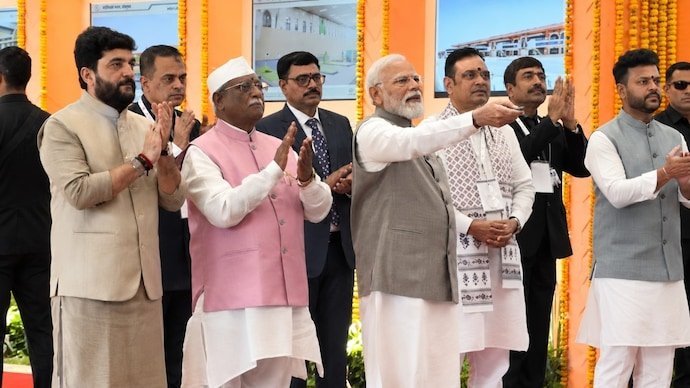
The new UDAN scheme launched by PM Modi marks another milestone in India‘s rapidly expanding civil aviation sector. Alongside inaugurating a state-of-the-art terminal at Jodhpur Airport, Prime Minister Narendra Modi unveiled the next phase of the government’s flagship Regional Connectivity Scheme (RCS-UDAN), designed to make air travel more affordable while connecting underserved cities, remote regions, and emerging economic hubs across the country.
WHO announced the initiative? Prime Minister Narendra Modi, along with senior officials from the Ministry of Civil Aviation. What was launched? The revamped UDAN scheme and a new passenger terminal at Jodhpur Airport. When? The announcements were made during an official event on Saturday. Where? Jodhpur, Rajasthan. Why is it important? The initiatives aim to improve regional connectivity, stimulate local economies, enhance tourism, and make aviation accessible to millions of Indians. How will this happen? Through new airport development, expanded regional flight routes, viability gap funding, upgraded airport infrastructure, and increased investment over the next decade.
What Is the UDAN Scheme?
UDAN, short for Ude Desh ka Aam Nagrik, is India’s flagship Regional Connectivity Scheme introduced to make flying affordable for ordinary citizens while improving access to smaller cities and remote regions.
Before the scheme’s introduction, many airports across India remained underutilized despite having existing infrastructure. Limited commercial viability prevented airlines from operating regular services to these destinations.
The government addressed this challenge by providing financial support to airlines operating regional routes while investing in airport modernization and infrastructure development.
The result has been a significant expansion of India’s domestic aviation network over the past several years.
How the New Phase of UDAN Builds on Earlier Success
The newly announced phase represents a substantial expansion rather than a continuation of the existing program.
With an overall financial outlay of nearly ₹29,000 crore over the next ten years, the government aims to further strengthen India’s regional aviation ecosystem.
Key objectives include:
- Connecting more underserved and unserved regions.
- Improving last-mile air connectivity.
- Expanding airport infrastructure.
- Supporting regional airline operations.
- Promoting balanced regional development.
- Enhancing accessibility to remote communities.
The long-term approach reflects India’s growing aviation demand as passenger traffic continues to increase across metropolitan cities and smaller urban centers alike.
Major Highlights of the Revamped UDAN Scheme
The latest phase introduces several ambitious infrastructure targets designed to expand the country’s aviation footprint.
| Key Initiative | Planned Expansion | Expected Impact |
|---|---|---|
| Overall Investment | Nearly ₹29,000 crore over 10 years | Long-term aviation infrastructure development |
| New Aerodromes | 100 additional facilities | Greater regional connectivity |
| Investment in Aerodromes | More than ₹12,000 crore | Modern airport infrastructure |
| Helipads | 200 planned | Improved access to remote regions |
| Regional Airline Support | Continued viability gap funding | Affordable regional flights |
| Airport Maintenance | Support for smaller airports | Operational sustainability |
UDAN by the Numbers: Measuring the Scheme’s Progress
Since its launch in 2016, the UDAN scheme has significantly transformed regional aviation across India.
According to official figures:
- 669 regional routes have been operationalized.
- 95 airports, heliports, and water aerodromes have been connected.
- More than 1.66 crore passengers have benefited from the scheme.
- Numerous previously inactive airports have resumed commercial operations.
These achievements demonstrate how government Policy, targeted financial support, and infrastructure investment can improve transportation access across geographically diverse regions.
Why Regional Air Connectivity Matters
Regional aviation is about far more than faster travel.
Improved air connectivity creates opportunities for economic development by reducing travel times, increasing Business mobility, supporting tourism, and improving access to education and healthcare.
Better connectivity can benefit:
- Small businesses.
- Tourism operators.
- Medical travelers.
- Students.
- Investors.
- Agricultural exporters.
- Government services.
For many smaller cities, an operational airport becomes an important catalyst for attracting investment and improving regional competitiveness.
Jodhpur’s New Airport Terminal: A Major Infrastructure Upgrade
Alongside the UDAN announcement, Prime Minister Modi inaugurated the new passenger terminal at Jodhpur Airport.
Developed by the Airports Authority of India at an estimated cost of ₹480 crore, the new terminal has been designed to accommodate rising passenger traffic while enhancing the overall travel experience.
The facility spans more than 23,000 square metres and is capable of handling up to 20 lakh passengers annually.
During peak hours, it can process approximately 1,500 passengers efficiently through improved passenger flow systems.
Modern Features of the New Terminal
The terminal incorporates both operational efficiency and passenger comfort.
Major facilities include:
- Multiple check-in counters.
- Advanced baggage handling systems.
- Aerobridges.
- Modern security screening.
- Spacious waiting areas.
- Improved passenger circulation.
- Digital infrastructure.
These improvements are expected to reduce congestion while supporting future passenger growth.
Architecture That Reflects Rajasthan’s Cultural Identity
Beyond functionality, the new terminal celebrates Rajasthan’s architectural heritage.
The design incorporates traditional elements such as:
- Decorative arches.
- Jharokhas (ornamental overhanging balconies).
- Regional design motifs.
- Contemporary interpretations of royal architecture.
This combination of heritage-inspired aesthetics and modern engineering provides travelers with a sense of place while maintaining international airport standards.
Focus on Sustainable Airport Development
Modern airport infrastructure increasingly emphasizes environmental sustainability alongside operational performance.
The Jodhpur terminal incorporates:
- Energy-efficient building systems.
- Water conservation measures.
- Resource-efficient infrastructure.
- Environmentally conscious design features.
Sustainable airport development has become an important component of India’s broader infrastructure planning as passenger volumes continue to grow.
Timeline of the UDAN Scheme
| Year | Milestone | Significance |
|---|---|---|
| 2016 | UDAN scheme launched. | Affordable regional air connectivity begins. |
| 2017–2024 | Hundreds of regional routes become operational. | Expansion of domestic aviation network. |
| Recent years | 95 airports, heliports, and water aerodromes connected. | Broader national connectivity achieved. |
| Current phase | Revamped UDAN announced. | Long-term infrastructure expansion planned. |
| Next decade | 100 additional aerodromes and 200 helipads planned. | Further expansion of regional aviation. |
Economic Impact on Western Rajasthan
The new terminal is expected to play an important role in western Rajasthan’s economic development.
Improved aviation infrastructure can contribute to:
- Higher tourist arrivals.
- Greater business investment.
- Faster movement of professionals.
- Growth in hospitality services.
- Employment generation.
- Improved logistics.
- Enhanced regional competitiveness.
Jodhpur already serves as an important tourism destination, and improved airport capacity may further strengthen its position within Rajasthan’s tourism economy.
Comparison: Before and After the UDAN Scheme
| Before UDAN | After UDAN Expansion |
|---|---|
| Limited regional flight options. | Hundreds of regional routes operational. |
| Many airports remained inactive. | Previously underused airports revived. |
| Higher travel costs for smaller cities. | More affordable regional air travel. |
| Limited connectivity for remote regions. | Expanded access through airports, heliports, and water aerodromes. |
| Slower regional economic integration. | Improved connectivity supporting tourism and business. |
A Unique Insight: Aviation Is Becoming a Driver of Regional Development
While airports are often viewed simply as transportation hubs, modern aviation infrastructure increasingly serves as a catalyst for regional transformation.
Improved connectivity encourages investment, strengthens supply chains, supports tourism, enhances access to education and healthcare, and improves overall economic resilience.
The expanded UDAN program reflects a broader policy shift toward ensuring that aviation contributes not only to metropolitan growth but also to the development of Tier-2, Tier-3, and remote regions.
In this sense, the scheme represents an infrastructure strategy aimed at promoting more balanced national development.
Challenges That Will Shape the Next Phase
Although the expanded program sets ambitious targets, its long-term success will depend on several factors:
- Maintaining financial sustainability for regional routes.
- Timely completion of airport infrastructure.
- Adequate airline participation.
- Growing passenger demand.
- Efficient airport operations.
- Continued investment in aviation safety and technology.
Successfully addressing these areas will help maximize the benefits of expanded regional connectivity.
Future Outlook
India is projected to remain one of the world’s fastest-growing aviation markets over the coming decade. Rising incomes, expanding tourism, improved infrastructure, and increasing demand for domestic travel are expected to drive continued passenger growth.
The next phase of UDAN positions the country to accommodate this expansion while ensuring that smaller cities and underserved regions share in the benefits of improved connectivity. Combined with modern airport projects such as the new Jodhpur terminal, the initiative reflects a long-term Vision of creating a more integrated, accessible, and resilient aviation network.
Conclusion
The new UDAN scheme launched by PM Modi, together with the inauguration of Jodhpur Airport’s modern terminal, represents another important step in strengthening India’s aviation infrastructure. By expanding regional connectivity, investing in new aerodromes and helipads, supporting affordable air travel, and upgrading passenger facilities, the government aims to make aviation a key driver of inclusive economic growth.
As regional air travel continues to expand, these initiatives have the potential to improve mobility, stimulate tourism, encourage investment, and connect millions more Indians to opportunities across the country. The coming decade will determine how effectively this ambitious vision translates into sustained economic development and broader national connectivity.
For breaking news and live news updates, like us on Facebook or follow us on Twitter and Instagram. Read more on Latest India on thefoxdaily.com.






COMMENTS 0