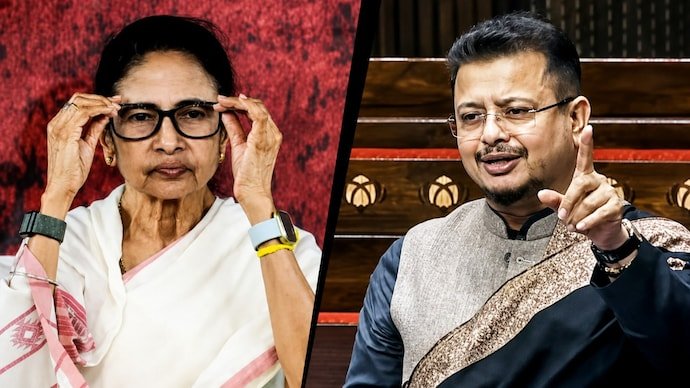
The Trinamool Congress (TMC), one of India‘s most prominent regional political parties, is facing one of the most serious internal challenges in its history. A dissident faction has claimed control of the party headquarters in Kolkata while simultaneously seeking recognition from the Election Commission over the party’s official name and election symbol. Meanwhile, leaders aligned with the existing party leadership have rejected the rebels’ claims, describing their actions as unauthorized and announcing legal and political action.
Although the dispute remains subject to legal and institutional processes, the developments illustrate how internal party divisions can evolve into constitutional, electoral, and organisational questions. Beyond the immediate political confrontation, the outcome could influence party unity, legislative politics in West Bengal, and the functioning of opposition politics in India.
What Triggered the Latest Escalation?
According to the developments described by both factions, the latest confrontation began after dissident leaders sought recognition before the Election Commission, claiming they represent the legitimate organisational leadership of the party.
Soon afterward, members of the dissident camp entered the party headquarters in Kolkata, conducted meetings, and asserted that they would operate from the premises going forward.
The rival faction, however, rejected these actions and alleged that the individuals involved had no authority to occupy the office.
The Competing Claims
Both groups are advancing different arguments regarding WHO represents the legitimate Trinamool Congress organisation.
| Issue | Dissident Faction’s Position | Mamata-Led Faction’s Position |
|---|---|---|
| Party Leadership | Claims majority organisational support. | Maintains existing leadership remains valid. |
| Party Headquarters | Claims authority to operate from the headquarters. | Alleges the occupation is unauthorized. |
| Election Symbol | Seeks official recognition before the Election Commission. | Contests the dissidents’ legal standing. |
| Future Control | Requests institutional recognition. | Plans legal and political challenges. |
The ultimate resolution will depend on decisions made by the relevant constitutional and legal authorities rather than by public declarations alone.
Why the Party Headquarters Matters
In political organisations, headquarters represent far more than office space.
Control of the central office often symbolizes:
- Organisational authority.
- Administrative continuity.
- Public legitimacy.
- Coordination of party activities.
- Historical identity.
However, physical possession of a party office does not automatically determine legal ownership of a political party or its official recognition under India’s electoral framework.
The Role of the Election Commission
One of the most important aspects of the dispute now lies before the Election Commission.
When rival groups claim to represent the same political party, the Commission may examine evidence such as:
- Party constitution.
- Organisational Elections.
- Authorised office bearers.
- Support among elected representatives.
- Internal documentation.
- Compliance with applicable election laws.
Both factions may be required to submit documentary evidence supporting their respective claims before any decision is made.
Understanding Party Symbol Disputes in India
Election symbols play a crucial role in Indian elections because they serve as the public identity of political parties, particularly among voters who rely heavily on visual recognition.
When disputes arise, authorities generally assess which faction can legitimately claim continuity with the recognised political party.
Possible outcomes may include:
- Recognition of one faction.
- Recognition of another faction.
- Temporary freezing of the symbol.
- Allocation of alternative symbols depending on legal circumstances.
The specific outcome depends entirely on the applicable legal framework and the evidence presented.
Background: The Trinamool Congress
The Trinamool Congress has been one of India’s most influential regional political parties since its formation in the late 1990s.
Over the years, the party has played a significant role in West Bengal Politics and has also emerged as an important participant in national political debates.
Like many large political organisations, it contains leaders with varying ideological priorities, organisational preferences, and strategic visions for the party’s future.
What Internal Leadership Disputes Usually Involve
Leadership contests within political parties commonly revolve around several organisational questions.
- Selection of party leadership.
- Decision-making authority.
- Distribution of organisational responsibilities.
- Candidate selection.
- Future electoral strategy.
- Internal governance.
When consensus cannot be reached internally, disputes may eventually require intervention by constitutional institutions or the courts.
The Legal Dimension
The controversy has moved beyond internal politics and entered the legal domain.
Issues that may become subject to legal scrutiny include:
- Authority over organisational property.
- Validity of internal meetings.
- Recognition of office bearers.
- Interpretation of party rules.
- Compliance with election regulations.
Until these questions are resolved through established legal procedures, competing public claims are unlikely to settle the dispute definitively.
Political Implications
Internal divisions within major political parties can have consequences extending beyond party structures.
Potential implications include:
- Legislative coordination.
- Election preparedness.
- Coalition politics.
- Policy continuity.
- Public confidence among party supporters.
Much depends on whether reconciliation remains possible or whether the divisions become permanent.
Comparison: Internal Party Dispute vs. Election Commission Recognition
| Internal Party Process | Election Commission Process |
|---|---|
| Political negotiations. | Legal and documentary examination. |
| Leadership discussions. | Assessment of organisational evidence. |
| Party meetings. | Institutional decision-making. |
| Political consensus. | Application of election law. |
Why Organisational Stability Matters
Stable internal governance enables political parties to function effectively, communicate clearly with supporters, and prepare for elections. Extended organisational disputes can consume leadership attention, delay decision-making, and create uncertainty for party workers and elected representatives.
For large parties with extensive grassroots networks, maintaining institutional clarity becomes particularly important during periods of political competition.
Expert Insight: How Democracies Address Party Splits
Across democratic systems, political parties occasionally experience leadership contests or organisational divisions. Institutions such as election commissions and courts generally avoid deciding political questions themselves; instead, they determine whether the competing groups have complied with applicable laws, party constitutions, and procedural requirements.
This institutional approach helps ensure that disputes are resolved through established legal mechanisms rather than through competing public claims.
Possible Scenarios Going Forward
- The rival factions could reach an internal settlement.
- The Election Commission could determine which group is entitled to official recognition under applicable law.
- The matter could continue through judicial proceedings if challenged.
- The organisational dispute could influence future electoral preparations and political alliances.
Any eventual outcome will depend on legal processes, documentary evidence, and institutional decisions rather than statements issued by either faction alone.
Future Outlook
The coming weeks are likely to be significant as both sides submit their respective claims before the appropriate authorities. Decisions regarding organisational recognition, party leadership, and any related legal proceedings will shape the next phase of the dispute. Regardless of the political outcome, adherence to constitutional processes and institutional transparency will be central to maintaining confidence in the democratic system.
Conclusion
The leadership dispute within the Trinamool Congress has evolved into a multifaceted contest involving organisational control, legal interpretation, and electoral recognition. While rival factions continue to assert competing claims over the party’s headquarters and identity, the final determination will rest with the competent constitutional and legal institutions.
Until those processes conclude, the episode serves as a reminder that internal party disagreements can have broader implications for democratic governance, electoral administration, and political stability. The manner in which the dispute is resolved may prove as significant as the outcome itself, underscoring the importance of transparent procedures and the rule of law in resolving organisational conflicts.
For breaking news and live news updates, like us on Facebook or follow us on Twitter and Instagram. Read more on Latest India on thefoxdaily.com.






COMMENTS 0