US intelligence officials have warned that Iran has substantially increased efforts to target American diplomats and government personnel, with some alleged plots reportedly reaching advanced stages. The warning, detailed in a classified intelligence memo obtained by Axios, has prompted heightened security concerns as Washington reassesses the safety of its diplomatic presence across the Middle East.
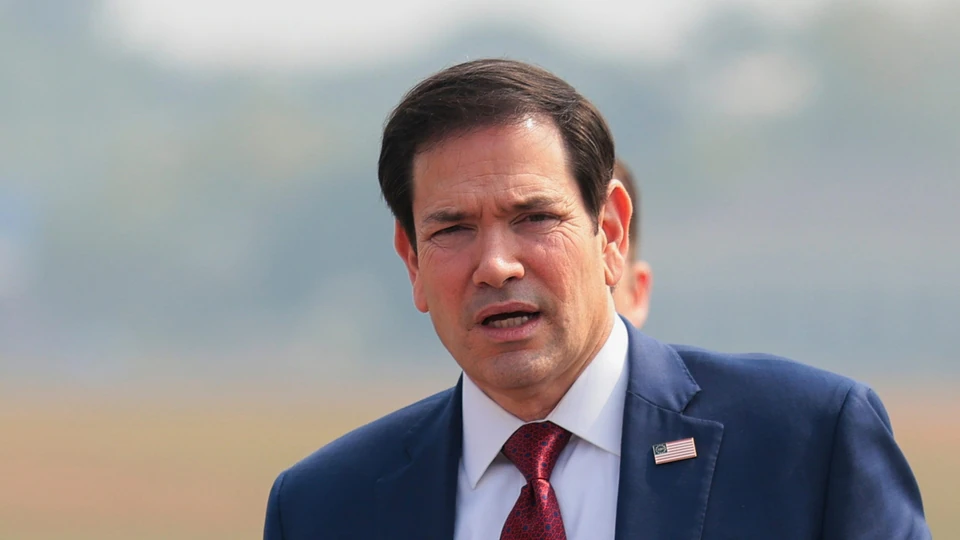
The memo, dated October 23, was sent by Director of National Intelligence Jay Clayton to Secretary of State Marco Rubio. It said US intelligence agencies had received information indicating increased Iranian efforts to target American personnel in the Middle East and certain other regions. CNN reporter Zachary Cohen also confirmed the memo’s authenticity, according to the supplied report.
The warning comes amid rising tensions between Washington and Tehran and concerns about attacks by Iran-backed groups, including Houthi rebels in Yemen. The US State Department has begun reducing staffing at several diplomatic missions, with officials citing threats linked to Iranian plots and possible Houthi attacks.
Although the memo describes an increased threat, its publicly available version does not identify specific targets, provide details about the alleged plots or name locations outside the Middle East. The reported security measures therefore reflect officials’ assessment of the risk rather than public confirmation of individual planned attacks.
What Did the US Intelligence Memo Say About Iran?
The October 23 memo warned that Iran had “substantially increased” efforts to target US diplomats and government personnel. According to the report, intelligence agencies had received information about alleged plotting against American officials in the Middle East and some other countries.
The document was shared with Secretary of State Marco Rubio, placing the warning directly before the senior official responsible for US diplomatic policy. Director of National Intelligence Jay Clayton said intelligence had already been provided to senior State Department officials who held the appropriate security clearances.
The unclassified memo did not disclose the identities of potential targets, specific locations beyond the broader regional context or operational details about the alleged plots. It also did not publicly establish how many plots were under investigation or explain the precise methods allegedly being considered.
Those omissions limit what can be independently assessed from the publicly described document. The warning indicates that US intelligence agencies view the threat as serious, but the available information does not allow a detailed account of the alleged operations or their intended targets.
Intelligence sharing is central to the response
Clayton also offered to make parts of the intelligence less classified so that more State Department personnel could be informed about potential threats. The memo stated: “We will make every effort to downgrade as much intelligence as possible so you can share it with State Department personnel at your discretion.”
The offer highlights a challenge for government agencies responding to classified threats: sensitive intelligence may contain information that cannot be widely circulated, while diplomatic staff need enough warning to take appropriate precautions.
Making selected information available to a broader group of employees could help officials communicate risks and adjust security arrangements. However, the memo does not specify which intelligence could be downgraded, how many personnel would receive additional warnings or what further measures would follow.
US Reduces Embassy Staffing Across the Middle East
The intelligence warning has coincided with reductions in the US diplomatic presence at several locations in the Middle East. According to the supplied report, the State Department has ordered some personnel and family members to leave diplomatic facilities as officials reassess security risks.
CNN reported earlier in the week that family members and nonessential personnel were ordered to leave the US Embassy in Riyadh and the consulates in Jeddah and Dhahran, all in Saudi Arabia.
On Friday, US officials also ordered reductions in diplomatic and government staffing at American embassies in the United Arab Emirates, Lebanon, Qatar and Jordan, an official told Axios.
The measures indicate that the security assessment extends beyond a single diplomatic post. Reducing staffing can limit the number of people exposed to potential threats while allowing essential diplomatic and government functions to continue. The precise scale of the reductions, however, was not detailed in the supplied report.
Why the US is retaining only essential staff
An official cited by Axios connected the staffing changes to concerns about both Iranian plots and possible Houthi attacks.
“We decided that due to the threat of Houthi attacks and Iranian terror plots we need to reduce our footprint and keep only essential staff.”
The statement suggests that US officials are considering multiple potential sources of danger rather than treating the intelligence warning as an isolated issue. Diplomatic missions can face different risks depending on their location, local security conditions and the possibility of attacks by state-linked or non-state actors.
Keeping only essential personnel can reduce the number of people requiring protection and evacuation planning during a period of heightened tension. It can also affect the routine work of diplomatic missions, although the supplied report does not detail specific service disruptions or changes to consular operations.
How Iran-Backed Houthi Threats Add to Regional Concerns
US officials are also concerned that Iran-backed Houthi rebels in Yemen could expand attacks beyond Saudi Arabia, potentially increasing instability across the region. The supplied report notes that the Houthis have previously targeted commercial shipping and regional military interests during periods of heightened Middle East tensions.
The Houthi threat is relevant to the wider security picture because attacks on shipping, military assets or other regional interests can create risks that extend beyond the immediate area of an incident. Such activity can also complicate security planning for diplomatic missions operating in countries considered vulnerable to regional escalation.
However, the reported concerns about Iran and the Houthis should not be treated as proof that the two are planning a specific joint operation against US diplomatic facilities. The memo, as described in the report, does not provide public details establishing a connection between individual alleged Iranian plots and any particular Houthi attack plan.
For Washington, the challenge is to prepare for possible threats without publicly disclosing sensitive intelligence or making claims that the available evidence cannot substantiate. The staffing reductions reflect a precautionary response to the risks described by US officials.
Donald Trump Warns Iran Over Further Military Action
President Donald Trump addressed Iran during a rally in Florida on Friday, suggesting that Washington could pursue additional military action if Tehran did not negotiate. His remarks came as US officials were responding to the reported intelligence warning and reviewing security arrangements for American personnel in the region.
Trump said: “We may do another little Operation Epic Fury, or [the Iranians] will agree [to a deal].” He also said Iran should agree to negotiations if it wanted to avoid further confrontation.
The remarks signal that the administration is presenting negotiations and the possibility of further military action as competing paths in its approach to Tehran. They also add to the pressure surrounding an already sensitive security situation.
However, the supplied report does not establish that Trump’s comments were a direct response to the October 23 intelligence memo. Nor does it provide details of any new military operation, its potential timing or the specific conditions under which Washington would authorize further action.
What the Intelligence Warning Means for US Diplomacy
The warning has immediate implications for how the United States manages its diplomatic presence in the Middle East. Reducing nonessential staffing can help lower exposure to potential attacks, but it may also limit the number of personnel available for routine diplomatic work and other government activities.
The scale of the response across multiple countries suggests that officials are evaluating risks at several diplomatic locations. Yet the public information does not identify which missions face the greatest danger or whether all staffing reductions are based on the same intelligence assessment.
The effort to share downgraded intelligence could also become important as officials seek to ensure that personnel understand the risks relevant to their assignments. Broader warnings may support practical precautions while allowing sensitive operational information to remain restricted.
At the same time, the lack of publicly disclosed details makes it difficult to assess the exact scope of the alleged plots. The memo’s reported findings describe an increase in Iranian targeting efforts, but they do not provide enough information to independently verify the status, intended targets or operational plans of each alleged plot.
What Happens Next?
The next steps will depend on how US intelligence and diplomatic officials assess the threat and whether additional information changes their security calculations. The State Department’s reported staffing reductions show that officials are already taking precautionary measures at several diplomatic missions.
Further changes could depend on the intelligence available to US agencies, the security conditions at individual posts and the possibility of additional threats linked to Iran or the Houthis. The supplied report does not confirm whether more evacuations or staffing reductions have been ordered beyond those already described.
Diplomatic and security decisions will also unfold alongside Trump’s public pressure on Tehran to negotiate. Whether that pressure leads to talks, further confrontation or a change in the regional security environment remains uncertain based on the information available in the report.
For now, the central development is the combination of a reported increase in Iranian efforts to target American personnel and a US decision to reduce staffing at several diplomatic locations. The public memo provides limited operational detail, but the security measures indicate that Washington is treating the warning as a serious concern while continuing to assess the risks facing its personnel across the Middle East.
For breaking news and live news updates, like us on Facebook or follow us on Twitter and Instagram. Read more on Latest World on thefoxdaily.com.



COMMENTS 0