The United Kingdom has taken a dramatic step in the global debate over children’s online safety by announcing a nationwide Social Media Ban for users under the age of 16. Prime Minister Keir Starmer described the decision as a necessary intervention to protect young people from the growing risks associated with digital platforms, including harmful content, addictive design features, online predators, and mental health challenges.
The policy marks one of the most significant regulatory actions against social media companies in recent years and places Britain alongside Australia, Indonesia, and Malaysia in adopting strict age-based restrictions. However, the UK’s approach goes even further in several areas, earning the label “Australia-plus” among policymakers and observers.
Beyond simply restricting access to social media apps, the British government is also examining curfews, tighter controls on AI-powered services, restrictions on livestreaming, and stronger safeguards against contact between minors and strangers through gaming platforms.
The announcement comes amid increasing global concern about the effects of social media on child development, mental health, academic performance, and overall wellbeing.
What Does the UK’s Under-16 Social Media Ban Include?
The proposed framework represents one of the broadest digital child-protection measures introduced by a major Western democracy.
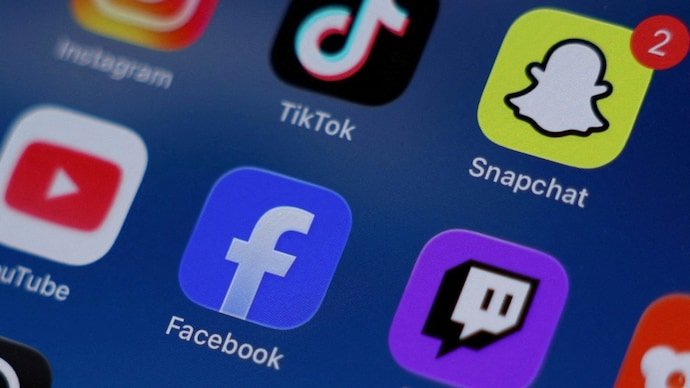
According to reports, children under 16 will be prohibited from accessing major social media platforms currently covered by the government’s proposal.
The restrictions are expected to apply to:
- TikTok
- Snapchat
- YouTube
- X
- Threads
- Twitch
- Kick
The government is also examining additional controls designed to reduce exposure to harmful online experiences that extend beyond traditional social networking.
Why Governments Are Increasingly Concerned About Social Media
The debate surrounding children’s social media use has intensified worldwide over the past decade.
Researchers, educators, healthcare professionals, and policymakers have raised concerns about several trends associated with excessive digital engagement.
Among the most frequently cited concerns are:
- Cyberbullying
- Sleep disruption
- Anxiety and depression
- Body image issues
- Exposure to harmful content
- Online grooming risks
- Reduced attention spans
- Digital addiction
While experts continue to debate the extent of social media’s direct impact on mental health, there is growing consensus that children require stronger protections online.
The Rise of the “Australia Model”
The UK’s decision follows Australia’s landmark legislation, which became one of the world’s first comprehensive social media bans for users under 16.
Australia’s approach fundamentally shifted the policy discussion by moving responsibility away from parents and toward Technology companies.
Instead of relying primarily on parental controls, the Australian model requires platforms themselves to prevent underage users from accessing services.
Britain’s new framework appears to build on that foundation while introducing additional safeguards.
| Country | Approach to Under-16 Social Media Use |
|---|---|
| Australia | Comprehensive social media ban |
| United Kingdom | Ban plus expanded digital restrictions |
| Indonesia | Strict youth social media controls |
| Malaysia | Enhanced online child protection measures |
Why Britain Is Going Further Than Australia
What makes the UK’s proposal particularly noteworthy is that it extends beyond social networking platforms.
The government is also considering measures targeting features and technologies that experts increasingly view as potentially addictive or risky for young users.
These proposals include:
- Social media curfews
- Restrictions on livestreaming
- Enhanced age verification
- Limits on AI chatbot interactions
- Controls on gaming platform communication
- Removal of addictive design features
This broader strategy reflects a growing belief among regulators that online safety cannot be addressed solely through platform bans.
The Growing Concern About AI Chatbots
One of the most interesting aspects of Britain’s proposal is its focus on Artificial Intelligence.
AI-powered chatbots have become increasingly common across social media, gaming, and messaging platforms.
Supporters of tighter regulation argue that children may struggle to distinguish between human and AI interactions, potentially creating risks related to misinformation, manipulation, emotional dependency, and inappropriate content.
As generative AI becomes more sophisticated, governments worldwide are beginning to explore age-appropriate safeguards.
The UK’s proposal could become a model for future AI regulations targeting younger users.
Gaming Platforms Face New Scrutiny
For years, discussions about online child safety focused primarily on social media.
However, gaming platforms have increasingly become social spaces where millions of young users interact daily.
Many popular games now include:
- Voice chat systems
- Private messaging
- Livestreaming features
- Community forums
- Digital marketplaces
Officials are concerned that these features can expose children to risks similar to those found on social media platforms.
The UK’s plan to restrict interactions with strangers through gaming services reflects this evolving understanding of digital behavior.
The Science Behind Concerns Over Infinite Scroll and Autoplay
The government consultation also examined design features that critics describe as intentionally addictive.
Two features received particular attention:
- Infinite scroll
- Autoplay video recommendations
These tools are designed to maximize user engagement by continuously delivering new content without requiring active decisions.
Behavioral scientists have argued that such systems can encourage prolonged screen time, particularly among adolescents whose self-regulation abilities are still developing.
Removing or limiting these features could significantly change how younger users experience digital platforms.
What Parents Think About the Ban
One of the strongest arguments supporting the government’s action comes from public opinion data collected during its consultation process.
The consultation reportedly generated more than 116,000 responses, reflecting widespread public interest in the issue.
Among participating parents:
- 90% supported a social media ban for under-16s
- More than 83% believed social media risks outweigh benefits
These figures suggest that concerns about children’s digital wellbeing extend far beyond policymakers and experts.
Many parents increasingly feel overwhelmed by the speed at which online platforms evolve and welcome stronger regulatory intervention.
The Challenges of Enforcing a Social Media Ban
Despite widespread support, implementation remains one of the biggest challenges facing the government.
Age verification has historically been difficult to enforce online.
Young users often bypass restrictions through:
- False birth dates
- Shared accounts
- Virtual private networks (VPNs)
- Alternative platforms
- Parental accounts
Technology companies will likely face pressure to develop more reliable age-assurance systems that balance effectiveness with privacy protections.
Critics Warn About Unintended Consequences
Not everyone supports broad platform bans.
Some child welfare advocates and digital rights groups argue that prohibitions alone may not solve underlying problems.
Critics raise several concerns:
- Children may migrate to less regulated platforms
- Educational opportunities could be limited
- Digital literacy development may suffer
- Enforcement could raise privacy concerns
- Young people may become harder to monitor online
These concerns highlight the complex balance between protection and participation in the digital age.
How Social Media Companies Could Be Affected
The financial implications for technology companies could be significant.
Younger users represent a valuable audience segment for advertisers, content creators, and platform growth strategies.
If more countries adopt similar policies, companies may be forced to redesign products specifically for age compliance.
Potential industry responses could include:
- Stronger verification systems
- Child-specific platform versions
- Enhanced parental controls
- Safety-focused design changes
- AI-driven moderation tools
The UK decision could therefore influence global platform development far beyond Britain’s borders.
A New Global Trend in Digital Regulation
The UK’s announcement reflects a broader shift in how governments approach technology regulation.
For much of the internet era, policymakers largely allowed platforms to self-regulate.
That approach is increasingly being replaced by direct government intervention.
Issues driving this trend include:
- Child safety
- Data privacy
- AI governance
- Online misinformation
- Platform accountability
As digital technologies become more deeply integrated into everyday life, governments are becoming less willing to leave major societal issues entirely in the hands of private companies.
What Happens Next?
While the headline-grabbing ban has been announced, important details remain under development.
The government is expected to publish further information regarding:
- Age verification requirements
- Curfew proposals
- AI chatbot restrictions
- Enforcement mechanisms
- Platform compliance obligations
Technology companies, child safety organizations, educators, and parents will closely watch how these details evolve.
The success or failure of the policy could influence similar debates across Europe, North America, and Asia.
Conclusion
The UK’s decision to ban social media for under-16s marks a major turning point in the global conversation about children’s online safety. By joining Australia, Indonesia, and Malaysia while introducing even broader restrictions, Britain is signaling a willingness to take aggressive action against what it sees as growing digital risks.
The proposed measures go beyond social media platforms to address livestreaming, gaming interactions, AI chatbots, autoplay systems, and potential digital curfews. Together, they represent one of the most comprehensive child-protection strategies ever proposed for the online world.
Whether the policy ultimately succeeds will depend on effective enforcement, technological Innovation, and cooperation from digital platforms. But one thing is clear: governments around the world are no longer treating children’s online safety as a secondary issue. The UK’s move may well become a blueprint for the next generation of internet regulation.
For breaking news and live news updates, like us on Facebook or follow us on Twitter and Instagram. Read more on Latest World on thefoxdaily.com.






COMMENTS 0