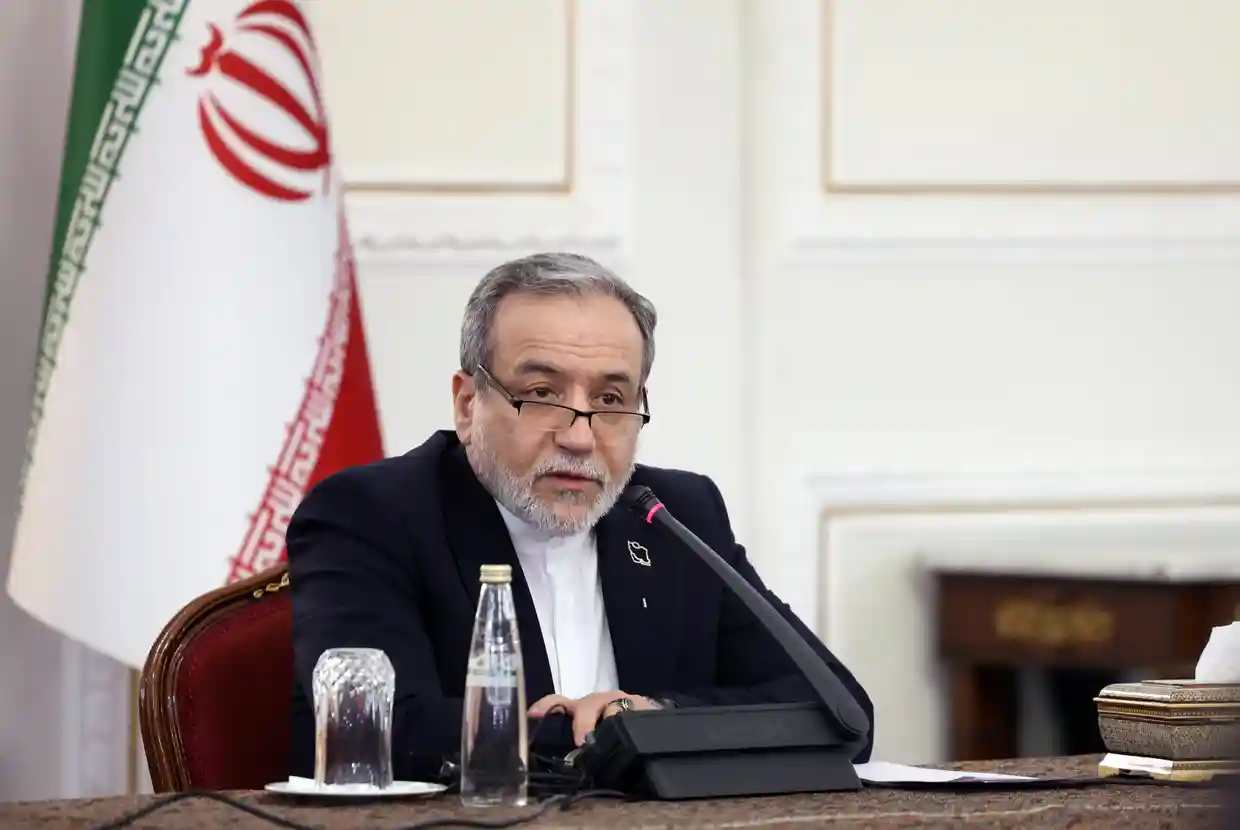
Negotiators involved in efforts to ease tensions between the United States and Iran are facing a difficult diplomatic challenge as indirect talks in Doha enter a third day. Gulf officials are waiting for Washington’s response to an Iranian proposal that could lead to the reopening of the Strait of Hormuz, the release of billions of dollars in Iranian assets and a possible return to negotiations over Tehran’s nuclear programme.
Qatar is mediating the discussions, which are focused on finding a sequence of steps that both sides could accept despite deep mistrust. Under the proposal described by Iranian officials, the United States would ease restrictions affecting Iranian oil shipments and assets, after which Iran could reopen the strategically important waterway within two days.
The diplomatic effort is unfolding against the backdrop of a continuing conflict that began with US and Israeli strikes on Iran in February. While Washington has indicated that it remains open to a diplomatic solution, President Donald Trump has also issued warnings about further military action. Gulf states fear that a renewed escalation could threaten regional security, shipping and energy supplies.
Qatar Leads Efforts to Bridge the Gap Between Washington and Tehran
Qatar has continued its mediation despite the absence of direct negotiations between American and Iranian representatives. The discussions in Doha involve Iranian diplomats and Qatari officials, with messages being relayed between Tehran and Washington.
A central part of the proposal concerns the release of more than $6 billion in Iranian assets and the easing of restrictions affecting the country’s oil exports. Tehran wants Washington to take steps on the blockade and sanctions before it restores normal navigation through the Strait of Hormuz.
The proposed arrangement is designed to compress the implementation process from seven days to two. Under the revised timetable described by Iranian Foreign Minister Abbas Araghchi, the United States would take the required measures on the first day, while Iran would reopen the strait and restore navigation on the second day.
However, the proposal has not yet become an agreement. Iranian officials have said that the outcome depends on Washington’s response to Tehran’s conditions, while US officials have not publicly accepted the full package. :chatgpt-content-reference{index=”0″}
Gulf Officials Fear Another Round of Escalation
The diplomatic uncertainty has left neighbouring Gulf countries concerned about the possibility of renewed military confrontation. Anwar Gargash, the United Arab Emirates’ diplomatic adviser, said another escalation would not serve the interests of Iran or its neighbours.
He nevertheless warned that regional countries were prepared for the possibility of further conflict.
“We are also, as we have shown before, braced for the worst.”
Gargash also stressed the importance of maintaining relations with Tehran, noting that Iran is a neighbouring country and that the UAE does not want it to become trapped in a prolonged crisis.
“Relations with Iran are essential, because Iran is our neighbour and we do not want to see it get caught up in a prolonged crisis.”
His remarks reflect the wider concern among Gulf governments that a breakdown in diplomacy could bring further attacks, threaten commercial shipping and create additional economic uncertainty across the region.
Attack on Qatari LNG Tanker Adds to Maritime Concerns
Qatar’s mediation has continued despite an incident involving a liquefied natural gas tanker travelling towards Pakistan. The vessel, identified in reports as the Al Mayeda, was struck by unidentified objects near the Strait of Hormuz on Friday.
The incident was particularly concerning because the tanker had reportedly received clearance and safe-passage approval from Tehran only hours before the attack. The vessel sustained damage, but reports said there were no injuries or environmental consequences.
The incident has highlighted the risks facing commercial shipping while tensions remain high around the waterway. Any further disruption could affect energy transportation and increase uncertainty for countries and companies dependent on Gulf exports. :chatgpt-content-reference{index=”1″}
Iran Says It Is Ready for Diplomacy but Warns Against Military Action
Iranian Foreign Minister Abbas Araghchi has expressed hope that Washington will choose negotiations instead of another round of military confrontation. He said Tehran was prepared to pursue diplomacy but would also maintain its ability to defend itself.
Araghchi indicated that Iran’s response would depend on what he described as Washington’s rationality. He also made clear that direct talks between Iranian and American representatives were not currently planned.
The foreign minister was not personally attending the Doha mediation. Other Iranian diplomats were involved in the discussions, while Araghchi was scheduled to travel to Turkmenistan on Monday.
His comments suggest that Tehran is continuing to use intermediaries while keeping the possibility of further confrontation in view. The Iranian government has not publicly confirmed that it has accepted a broader agreement with Washington. :chatgpt-content-reference{index=”2″}
Trump Says Negotiations Are Progressing but Warns of More Targets
US President Donald Trump has offered mixed signals about the diplomatic effort. On Saturday, he said negotiations with Iran were going well but questioned Tehran’s reliability.
Trump also claimed that US military operations had destroyed much of Iran’s military capability. However, he suggested that Washington still had one or two targets to address, keeping the possibility of further strikes in public discussion.
His comments have added to uncertainty over whether the United States will prioritise a negotiated settlement or resume military action if the current discussions fail.
Trump has also said the United States would not attack Iran before the November 3 midterm elections. The statement has made the period immediately after the vote a focus of concern for regional officials, although it does not establish that military action will follow the election. :chatgpt-content-reference{index=”3″}
Marco Rubio Says Washington Remains Open to Diplomacy
US Secretary of State Marco Rubio has confirmed that diplomatic contacts with Iran are continuing. He said Washington remained open to a negotiated solution, although the United States would also consider its national security requirements.
Rubio’s remarks came as Qatar continued communicating with Iranian officials and attempting to find a formula that could restore shipping through the Strait of Hormuz.
The US position remains important because Iran’s proposal requires Washington to take the first steps on sanctions, oil restrictions and the release of frozen assets. Tehran has made clear that reopening the waterway would depend on those conditions being addressed.
Although Rubio’s comments indicate that diplomacy remains an option, they do not amount to acceptance of Iran’s demands or confirmation that an agreement is close. :chatgpt-content-reference{index=”4″}
JD Vance’s Letter Raises Hopes of Renewed Communication
Another development in the diplomatic effort involved a letter from US Vice-President JD Vance to Iranian security chief Mohsen Rezaei. Rezaei said he had received the communication and noticed what he described as a positive change in Washington’s tone.
He said he had not yet sent a response, leaving the next step in the exchange uncertain. The letter was seen as another channel through which the two sides could communicate without holding direct negotiations.
Rezaei has also used public statements to criticise the US decision to go to war with Iran. He argued that the conflict had wider international consequences and claimed that its economic effects were being felt by American households.
His comments reflect Tehran’s attempt to combine diplomatic engagement with public warnings about the costs of continued confrontation. :chatgpt-content-reference{index=”5″}
Iran’s Nuclear Programme Remains a Major Obstacle
Even if Washington and Tehran reach an understanding over the Strait of Hormuz, the nuclear issue could remain a significant barrier to a broader settlement.
Qatar’s mediation has included efforts to create a path towards restarting negotiations on Iran’s nuclear programme. However, Iranian officials have expressed resistance to discussing the issue under the current circumstances.
Ali Nikzad, deputy speaker of Iran’s parliament, said Tehran would not negotiate over its nuclear programme under pressure. He argued that previous diplomatic efforts had been undermined by broken commitments and attacks on Iranian nuclear facilities.
“Our enemies must understand that the Iranian nation has made a decision not to negotiate on the nuclear issue under any circumstances or under any pressure.”
Nikzad’s remarks underline the difference between the immediate objective of reopening the strait and the more difficult task of resolving disputes over Iran’s nuclear activities. While the two issues may be connected in a wider diplomatic framework, Tehran’s public position suggests that agreement on one would not automatically resolve the other. :chatgpt-content-reference{index=”6″}
Why the Strait of Hormuz Is Central to the Conflict
The Strait of Hormuz is one of the world’s most important maritime energy routes. It connects the Persian Gulf with the Gulf of Oman and the wider Arabian Sea, providing a key passage for oil and liquefied natural gas shipments from major Gulf producers.
Disruption to shipping through the waterway can affect energy markets, transport costs and supply chains far beyond the Middle East. Countries that rely on imported oil and gas are particularly exposed to prolonged interruptions.
For Iran, control over access to the strait has become an important source of leverage in negotiations with Washington. The United States, meanwhile, has sought to restore maritime access and maintain pressure on Tehran through restrictions on Iranian ports and oil shipments.
This disagreement over sequencing has been one of the main obstacles to diplomacy. Iran wants sanctions relief and an end to the blockade before fully restoring passage, while Washington wants guarantees that shipping can resume and that wider security concerns will be addressed.
What Happens Next in the US-Iran Negotiations?
The immediate focus remains on Washington’s response to the Iranian proposal and whether Qatar can secure agreement on the sequence of measures. A breakthrough could create a path towards reopening the Strait of Hormuz within two days of an agreement, according to the timetable outlined by Araghchi.
However, several major issues remain unresolved, including the release of Iranian assets, sanctions on oil exports, the US military presence in the region and the future of nuclear negotiations.
The conflicting statements from officials also show that diplomatic engagement is taking place alongside military warnings. Iran says it is prepared to defend itself if attacked, while Trump has continued to refer to potential military targets even as he describes the negotiations as productive.
For Gulf countries, the priority is to prevent the conflict from expanding and to protect regional stability and commercial shipping. Gargash’s warning that the UAE is prepared for the worst captures the uncertainty surrounding the talks.
With the US midterm elections scheduled for November 3, the coming days could prove important for the direction of the diplomatic effort. Whether Qatar’s mediation produces an agreement or the standoff moves towards another escalation will depend on the decisions made by Washington and Tehran.
For breaking news and live news updates, like us on Facebook or follow us on Twitter and Instagram. Read more on Latest World on thefoxdaily.com.




COMMENTS 0