The Congress will stage statewide protests in Maharashtra on September 28, demanding the removal and arrest of Chief Election Commissioner Gyanesh Kumar over allegations surrounding voter-list revisions and the functioning of the Election Commission of India.
The planned demonstrations add another chapter to the growing political dispute over the Special Intensive Revision (SIR) of electoral rolls. The Congress has accused the Election Commission of acting in a biased manner and has alleged that changes to voter rolls could benefit the BJP. The poll panel has rejected the suggestion that its SIR decisions were taken unilaterally, maintaining that key orders were approved collectively by all three Election Commissioners.
The confrontation has intensified following reports of differences within the three-member Election Commission over decisions involving electoral rolls, voter registration forms, deletion and addition of names, and access to voter data.
Congress Announces September 28 Protests Across Maharashtra
The Maharashtra Congress said its workers, office-bearers, legislators and MPs would participate in protests across all districts of the state on September 28.
The party is demanding that Gyanesh Kumar be removed from his position and arrested. In its statement, the Maharashtra Congress accused the Chief Election Commissioner of acting in a biased manner and alleged that the Election Commission was functioning in a way that benefited the BJP.
The Congress has also accused Kumar of undermining democratic institutions and constitutional principles. These are political allegations made by the party and have not been established as findings against the Chief Election Commissioner.
The protests are being organized as the wider dispute over voter-roll revision moves beyond Parliament and political statements and into street demonstrations across several parts of the country.
Voter Roll Revision at the Centre of the Dispute
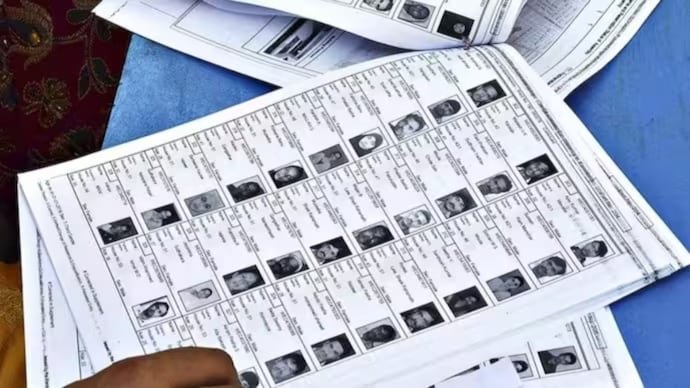
The main issue behind the confrontation is the Special Intensive Revision of electoral rolls. The exercise is intended to review voter lists and identify entries requiring verification or removal, but opposition parties have raised concerns about the scale and manner of the process.
The Congress has claimed that 13 crore voters were removed from electoral rolls across the country during the SIR exercise. It has further alleged that more than 3 crore electors were removed in Maharashtra.
The party has also claimed that 47 lakh voters were added to Maharashtra’s electoral rolls before the 2024 Assembly elections and questioned their current status.
Congress leaders have made similar allegations about voter deletions during the Bihar and West Bengal Assembly elections. The party has used these claims to support its broader argument that the electoral-roll revision process requires greater scrutiny.
However, the figures and allegations cited by the Congress represent the party’s claims. They should be distinguished from the Election Commission’s own explanations of the SIR process and its decisions.
Congress Links Row to Rahul Gandhi’s ‘Vote Theft’ Claims
The Maharashtra Congress said senior leader Rahul Gandhi‘s repeated allegations of “vote theft” had been vindicated by the developments surrounding the Election Commission.
The party has argued that reports of differences within the poll panel strengthen its demand for accountability over decisions connected with electoral rolls and voter registration.
Congress leaders have particularly focused on reports concerning the roles of Election Commissioners Sukhbir Singh Sandhu and Vivek Joshi and their alleged objections to certain decisions and instructions.
The issue has become politically sensitive because the Election Commission is a constitutional body responsible for conducting elections and maintaining electoral rolls. Any dispute over how decisions are made inside the institution therefore carries implications for public confidence in the electoral process.
Election Commission Says SIR Decisions Were Unanimous
The Election Commission has rejected the suggestion that major SIR orders were imposed by the Chief Election Commissioner without the approval of the other commissioners.
On Saturday, the poll panel said its Special Intensive Revision orders were issued after approval from all three Election Commissioners: Gyanesh Kumar, Sukhbir Singh Sandhu and Vivek Joshi.
The clarification came amid reports of internal differences over several aspects of the electoral-roll revision process. The Commission’s position is that the SIR decisions were taken collectively rather than being the product of unilateral action by the CEC.
The Election Commission has also defended the changes and procedures associated with voter registration, including the use of Form 6 for inclusion of names in electoral rolls.
The competing claims have created two sharply different narratives. Congress says internal objections point to serious problems in the way electoral decisions were made, while the Election Commission says the relevant orders received collective approval and were issued according to established procedures.
Why Form 6 Has Become a Major Issue
Form 6 is used by eligible citizens seeking inclusion in the electoral roll. Changes associated with the voter-registration process have become part of the wider SIR controversy.
Reports about changes to the information required from new voters triggered questions about whether such modifications had been properly authorized and how they interacted with the existing legal framework.
The Election Commission has maintained that the relevant SIR orders, including those concerning Form 6 procedures, received the approval of the full commission.
The issue has nevertheless become politically important because access to voter registration is directly connected to an individual’s ability to participate in elections. Opposition parties have argued that any additional procedural requirements must not create unnecessary barriers for eligible voters.
The dispute is therefore not limited to the wording of a registration form. It concerns how electoral databases are maintained, how names are included or removed, and what safeguards exist when a voter’s eligibility is questioned.
Reports of Differences Within the Election Commission
The political confrontation intensified after reports that two Election Commissioners had raised objections to several decisions linked to the electoral-roll revision exercise.
According to an investigation published by The Indian Express, Election Commissioners Sukhbir Singh Sandhu and Vivek Joshi had formally raised objections on multiple occasions over the preceding months. The reported concerns covered issues including voter additions and deletions, changes to Form 6 and access to electoral-roll databases.
The report said some of the objections questioned whether particular actions had received the required approval of the full commission.
The Election Commission subsequently sought to counter the impression of a fundamental institutional split by emphasizing that its SIR orders had been unanimously approved.
The disagreement therefore involves both the substance of electoral-roll decisions and questions about how the constitutional body conducts its internal Business.
Law Governs How the Three-Member Poll Panel Works
The Election Commission functions under Article 324 of the Constitution. Its three members consist of the Chief Election Commissioner and two Election Commissioners, who are equal in rank within the commission.
The Chief Election Commissioner is the first among equals rather than a member with unrestricted unilateral authority over every decision.
The Chief Election Commissioner and Other Election Commissioners (Appointment, Conditions of Service and Term of Office) Act, 2023, provides a framework for the commission’s decision-making. Section 18 states that the commission’s business should, as far as possible, be transacted unanimously. When the members differ in opinion, the matter is decided according to the majority view.
The same provision also addresses how the commission can determine its procedure and allocation of work.
These provisions have become particularly relevant to the current dispute because reports of internal objections have raised questions about whether individual communications and administrative decisions were properly authorized.
Maharashtra Becomes a Key Political Battleground in SIR Row
The decision to hold protests across Maharashtra gives the voter-roll dispute a broad organizational platform in one of India’s major states.
Congress plans to mobilize party workers and elected representatives across districts rather than limit the protest to Mumbai or another single location.
The party’s demands are centered on three related issues: action against Gyanesh Kumar, greater scrutiny of voter-roll revisions and accountability for decisions that Congress says affected the electoral process.
The protests also come after the Election Commission’s latest clarification that its SIR orders had the approval of all three commissioners.
This means the September 28 demonstrations are likely to focus not only on allegations about voter deletions and additions but also on the broader question of institutional transparency within the Election Commission.
Political Claims and Established Facts Remain Separate
The dispute has generated strong political allegations from the Congress, but those allegations need to be distinguished from established findings.
Congress has accused the Election Commission of bias and alleged that its actions benefited the BJP. The party has also called for Gyanesh Kumar’s arrest. The Election Commission, meanwhile, has rejected the underlying characterization of its SIR decision-making and says the relevant orders were approved by all three commissioners.
The reported objections by Election Commissioners Sandhu and Joshi have added a new dimension to the controversy, but the existence of internal disagreement does not by itself establish that electoral manipulation occurred.
Similarly, claims about millions of deleted voters require careful distinction between draft-roll deletions, voters identified for verification, final deletions and voters who may subsequently be restored through the applicable procedures.
The precise status of individual voters can change during a revision process, making the distinction between preliminary figures and final electoral rolls important when assessing the political claims surrounding the exercise.
Election Commission Faces Growing Scrutiny
The controversy has placed the Election Commission under unusually intense political and public scrutiny.
For the Congress, the issue has become part of a larger campaign over electoral transparency and what it describes as “vote theft.” For the Election Commission, maintaining confidence in the voter-registration process requires demonstrating that decisions are made within the constitutional and legal framework governing the institution.
The panel’s latest statement that SIR orders received unanimous approval is therefore significant because it directly addresses one of the central allegations surrounding the reported internal differences.
At the same time, questions raised publicly about voter-roll software, registration procedures and internal communications have ensured that the controversy is unlikely to disappear simply because the Election Commission has issued a clarification.
September 28 Protests Could Deepen the SIR Confrontation
The planned Maharashtra protests mark another escalation in the political battle over electoral rolls and the leadership of the Election Commission.
Congress is demanding the removal and arrest of Gyanesh Kumar and plans to mobilize its organization across the state. The Election Commission continues to maintain that its key SIR decisions were collectively approved and that the process is governed by established rules.
The central dispute will now move into a new phase, with political demonstrations occurring alongside continuing scrutiny of the electoral-roll revision process.
At stake is not only the political disagreement between the Congress and the Election Commission but also broader public questions about how voter lists are revised, how disputed names are handled and how decisions are documented within India’s constitutional election machinery.
As Maharashtra prepares for statewide protests on September 28, both sides remain firmly divided over the interpretation of the voter-roll revision exercise. The Congress is calling for punitive action against the Chief Election Commissioner, while the Election Commission is defending the collective nature and legality of its decisions.
For breaking news and live news updates, like us on Facebook or follow us on Twitter and Instagram. Read more on Latest India on thefoxdaily.com.






COMMENTS 0