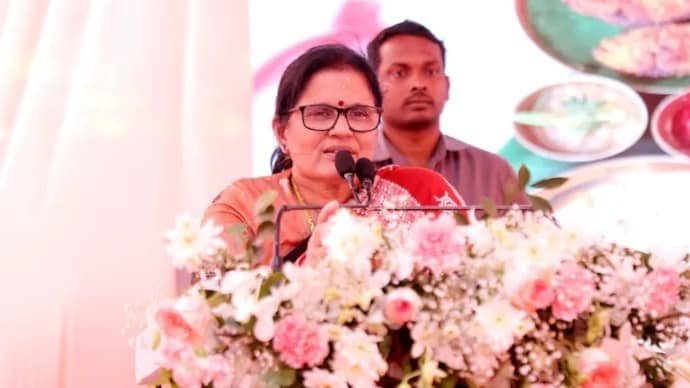
In one of the state’s most significant cultural preservation initiatives in recent years, the Odisha government has unveiled plans to construct a dedicated Lakshmi Puran Corridor at the memorial of renowned 15th-century Odia poet Balaram Das. Alongside the infrastructure project, the government will undertake a large-scale campaign to distribute approximately one crore copies of the Lakshmi Purana across Odisha, making one of the region’s most influential literary works accessible to millions.
The announcement reflects a broader effort to preserve Odisha’s rich literary traditions while highlighting the social reformist ideas embedded in classical Indian literature. Far beyond being a devotional text, the Lakshmi Purana has long been regarded by scholars as an extraordinary work advocating women’s dignity, social justice, caste equality, and human values centuries before such ideas became part of mainstream public discourse.
Officials believe the project will strengthen cultural tourism, encourage literary appreciation among younger generations, and reinforce Odisha’s identity as a state with a rich intellectual and spiritual heritage.
What Is the Lakshmi Puran Corridor?
The proposed Lakshmi Puran Corridor will be developed at the memorial of poet Balaram Das in Begunia village of Gop block in Odisha’s Puri district.
According to the state government, the project is expected to:
- Preserve the legacy of Balaram Das.
- Promote Odisha’s literary heritage.
- Develop the memorial into a cultural tourism destination.
- Create educational spaces showcasing the history of the Lakshmi Purana.
- Encourage research into Odia literature and medieval social reform movements.
The government has prepared an initial blueprint for the corridor, with an estimated project cost of around Rs 28 crore. Construction is expected to be completed over the next three years in consultation with the state’s Culture department.
One Crore Copies of Lakshmi Purana to Reach Households
One of the most ambitious aspects of the initiative is the statewide distribution of nearly one crore copies of the Lakshmi Purana.
The objective extends beyond preserving literature. The government aims to encourage discussions around the text’s central themes, including:
- Women’s empowerment.
- Social equality.
- Human dignity.
- Cleanliness and social responsibility.
- Compassion and inclusion.
Officials also announced plans to translate the work into multiple Indian languages so readers outside Odisha can better understand its literary and social significance.
Who Was Balaram Das?
Balaram Das is widely regarded as one of the most influential poets in Odia literature and is traditionally counted among the celebrated Panchasakha, a group of five medieval poet-saints WHO made important contributions to Odisha’s religious and literary traditions.
Writing during the 15th century, Balaram Das composed works that combined devotional themes with powerful social messages. His writings often emphasized compassion, equality, and ethical living while making spiritual ideas accessible to ordinary people through the Odia language.
The Lakshmi Purana remains his most celebrated composition and continues to be widely read in Odisha.
Understanding the Lakshmi Purana
Although commonly regarded as a devotional text dedicated to Goddess Lakshmi, the Lakshmi Purana carries a broader social message that distinguishes it from many traditional religious works of its time.
The narrative portrays Goddess Lakshmi as an advocate for justice, compassion, and equality, challenging discrimination based on caste and social status.
Rather than focusing solely on religious devotion, the text explores questions of morality, dignity, and fairness within society.
Central Themes of the Lakshmi Purana
| Theme | Social Message |
|---|---|
| Women’s Empowerment | Highlights the dignity, rights, and importance of women in society. |
| Social Equality | Challenges discrimination based on caste and social status. |
| Human Dignity | Promotes equal respect for every individual. |
| Cleanliness | Links personal hygiene with ethical living and community welfare. |
| Compassion | Encourages empathy, kindness, and social harmony. |
These themes continue to resonate with contemporary discussions on inclusion and social development.
A Story That Challenged Social Hierarchies
One of the most widely discussed episodes in the Lakshmi Purana describes Goddess Lakshmi visiting the home of Sriya, a woman belonging to a socially marginalized community.
The narrative emphasizes that virtue, cleanliness, and devotion are more important than birth or social status. Scholars frequently cite this episode as an early literary rejection of caste-based discrimination.
The story has remained central to the text’s enduring popularity because it presents ethical values through accessible storytelling rather than abstract philosophical arguments.
Women’s Rights in a Medieval Literary Work
Researchers have also highlighted passages within the Lakshmi Purana that discuss women’s dignity and property rights subjects that were uncommon in many literary works of the medieval period.
Some scholars interpret these passages as demonstrating remarkably progressive thinking for their time, particularly regarding women’s role within family and society.
Although interpretations vary among historians and literary experts, the text is widely recognized for presenting women as active participants in moral and social life rather than passive figures.
Why the Project Matters Today
The Odisha government’s initiative reflects growing recognition that classical literature can continue contributing to modern public discussions.
The Lakshmi Purana addresses issues that remain relevant today, including:
- Gender equality.
- Social inclusion.
- Respect for diversity.
- Community cleanliness.
- Ethical leadership.
- Human dignity.
Presenting these values through a centuries-old literary work demonstrates how historical texts can continue informing contemporary social conversations.
Cultural Tourism and Heritage Preservation
Beyond its literary importance, the Lakshmi Puran Corridor is expected to strengthen cultural tourism in Odisha.
Heritage projects of this nature often generate multiple benefits:
- Preservation of historical sites.
- Increased tourist interest.
- Educational opportunities.
- Support for local artisans.
- Economic activity for nearby communities.
- Promotion of regional literature.
Developing literary heritage destinations has become an increasingly important component of cultural tourism strategies across India.
Comparison: Devotional Text vs. Social Reform Literature
| Traditional Devotional Literature | Lakshmi Purana’s Broader Perspective |
|---|---|
| Focuses primarily on worship. | Combines devotion with social reform. |
| Highlights religious practices. | Promotes equality and justice. |
| Centers on divine narratives. | Links spirituality with ethical living. |
| Emphasizes ritual observance. | Stresses compassion and dignity. |
This unique combination explains why the Lakshmi Purana continues to attract both literary scholars and social historians.
Expert Insight: Literature Can Shape Society Across Centuries
Literary experts often observe that influential texts endure because they address universal human concerns rather than temporary social conditions. The Lakshmi Purana illustrates how literature can preserve cultural identity while simultaneously encouraging reflection on justice, equality, and ethical responsibility.
Its continued relevance demonstrates that classical works remain valuable educational resources capable of connecting historical traditions with present-day social values.
Potential Educational Impact
The large-scale distribution of the Lakshmi Purana could encourage renewed interest in regional literature among students, educators, and researchers.
If supported by educational initiatives, the project may:
- Increase Awareness of Odisha’s literary heritage.
- Encourage reading in regional languages.
- Promote interdisciplinary research.
- Support cultural preservation.
- Introduce younger generations to historical social reform ideas.
Translation into additional Indian languages may also broaden national awareness of one of Odisha’s most influential literary works.
Future Outlook
As work progresses on the Lakshmi Puran Corridor, attention will likely focus on how the project integrates Heritage Conservation, Education, and tourism. If completed as planned, the corridor could become an important cultural landmark celebrating Odisha’s literary history while providing visitors with deeper insights into the state’s intellectual traditions.
The planned book distribution initiative may further strengthen public engagement with the Lakshmi Purana, encouraging renewed appreciation for a work that continues to inspire discussions on equality, women’s empowerment, and social harmony more than five centuries after it was written.
Conclusion
The Odisha government’s decision to construct the Lakshmi Puran Corridor and distribute one crore copies of the Lakshmi Purana represents far more than a heritage preservation project. It is an effort to celebrate a literary masterpiece whose themes of justice, women’s dignity, equality, compassion, and cleanliness continue to resonate in contemporary society.
By combining cultural preservation with public education and tourism development, the initiative has the potential to introduce a wider audience to one of India’s most socially progressive medieval literary works. As Odisha continues to invest in preserving its rich cultural legacy, the Lakshmi Purana stands as a reminder that timeless literature can remain relevant across generations, offering enduring lessons on humanity, inclusion, and ethical living.
For breaking news and live news updates, like us on Facebook or follow us on Twitter and Instagram. Read more on Latest India on thefoxdaily.com.






COMMENTS 0