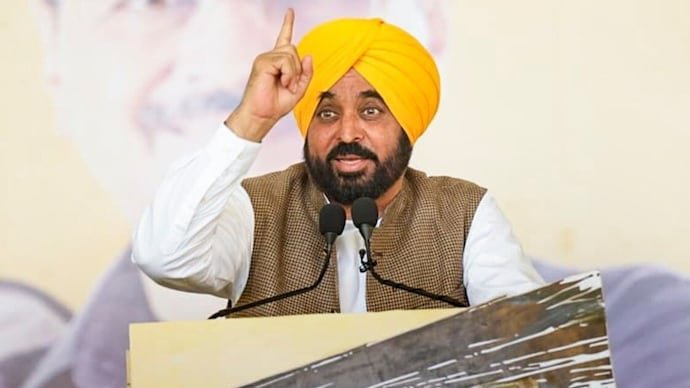
The Punjab Cabinet has approved a three-month waiver of government fees and facilitation charges for a range of citizen services, providing significant relief to residents seeking important documents during the ongoing Special Intensive Revision (SIR) of electoral rolls. Effective from July 1 to September 30, 2026, the initiative aims to ensure that financial constraints do not prevent eligible voters from securing the documentation required for electoral verification and other government services.
Announced after a Cabinet meeting chaired by Chief Minister Bhagwant Singh Mann, the decision reflects a broader effort to improve access to public services while supporting one of the country’s most important democratic processes the maintenance of accurate electoral rolls. The Punjab Government will bear the financial cost of the waiver, ensuring citizens receive these services free of charge throughout the specified period.
Beyond offering immediate financial relief, the policy highlights the growing importance of digital Governance, citizen accessibility, and administrative efficiency in delivering public services during large-scale electoral exercises.
What Is the Punjab Fee Waiver Scheme?
The newly approved measure eliminates both government fees and facilitation charges for several commonly requested certificates and public services. The waiver has been specifically introduced to support citizens WHO need official documents for the Special Intensive Revision (SIR) of electoral rolls.
The exemption applies across multiple government service delivery channels, making it easier for residents to access documents regardless of how they choose to apply.
Services Covered Under the Fee Waiver
According to the Punjab government’s decision, the waiver includes several essential certificates frequently required for identity verification, education, residence, and social welfare purposes.
| Service | Purpose |
|---|---|
| Caste Certificate | Verification for reservations, welfare schemes and official documentation. |
| Residence Certificate | Proof of domicile for government services and electoral verification. |
| Birth Certificate | Official proof of age and identity. |
| Duplicate Class X Certificate | Educational verification when original documents are unavailable. |
| Duplicate Class XII Certificate | Required for higher education, employment and documentation. |
| Other Notified Services | Additional services covered through government notification. |
The waiver remains valid from July 1 through September 30, 2026.
Where Can Citizens Avail These Free Services?
The Punjab government has confirmed that the exemption will be available across all major citizen service platforms.
- Seva Kendras.
- Doorstep Delivery Services.
- Punjab Online Citizen Services Portal.
This multi-channel approach ensures that both urban and rural residents can access the benefits without being limited to a single service delivery mechanism.
What Is the Special Intensive Revision (SIR) of Electoral Rolls?
The Special Intensive Revision (SIR) is a comprehensive exercise conducted to update electoral rolls by verifying voter information and ensuring the accuracy of voter records.
Unlike routine updates, an intensive revision involves wider verification efforts to identify eligible voters, remove duplicate or outdated entries, and improve the overall integrity of electoral databases.
During the process, citizens may be asked to submit documents that establish:
- Identity.
- Age.
- Residential status.
- Eligibility for voter registration.
Accurate electoral rolls are considered one of the cornerstones of free and fair Elections, making documentation an important part of the democratic process.
Why Did Punjab Introduce This Waiver?
According to Cabinet Minister Harpal Singh Cheema, demand for official certificates has increased substantially due to the ongoing Special Intensive Revision.
Many citizens require documents such as birth certificates, domicile certificates, caste certificates, and educational records to complete verification requirements during the revision process.
Recognizing that application fees could become a financial burden for some households particularly when multiple family members require documentation the Punjab Cabinet decided to temporarily remove these charges.
The objective is to ensure that no eligible citizen is discouraged from obtaining essential documents because of cost.
How Citizens Benefit from the Decision
Although the waiver is temporary, its benefits extend beyond immediate financial savings.
- Reduced cost of obtaining multiple government certificates.
- Faster completion of voter documentation.
- Improved access to government services.
- Greater participation in electoral verification.
- Simplified documentation process for families.
- Encouragement to update official records.
For households requiring several certificates simultaneously, the cumulative savings could be significant.
Government Departments Responsible for Implementation
The Punjab Cabinet has authorized the concerned administrative departments to issue operational notifications and implementation guidelines.
The Department of Good Governance and Information Technology, along with other relevant departments, has been empowered to coordinate the rollout across various service platforms.
This coordinated administrative approach is intended to ensure that citizens receive the fee exemption seamlessly regardless of where they apply.
How the Government Will Fund the Waiver
Rather than transferring the cost to service providers, the Punjab government has confirmed that it will absorb the financial impact resulting from the waiver.
This ensures uninterrupted delivery of services while allowing citizens to obtain documents without paying government or facilitation charges during the three-month period.
Such measures require careful budget planning but can improve public access to essential services during time-sensitive administrative exercises.
Why Documentation Matters Beyond Elections
Although the current waiver is linked to electoral roll revision, the certificates covered under the scheme have far broader significance in everyday life.
Official documents are commonly required for:
- School and university admissions.
- Government job applications.
- Scholarships.
- Social welfare schemes.
- Passport applications.
- Banking and financial services.
- Property registration.
- Identity verification.
Making these documents more accessible can therefore benefit citizens well beyond the electoral process.
Comparison: Before and After the Fee Waiver
| Aspect | Before Waiver | During Waiver Period |
|---|---|---|
| Government Fee | Applicable | Waived |
| Facilitation Charges | Applicable | Waived |
| Citizen Cost | Higher | No government or facilitation charges |
| Service Platforms | Available normally | Available with fee exemption |
| Validity | Standard policy | July 1–September 30, 2026 |
The Growing Role of Digital Public Services
The inclusion of the Online Citizen Services Portal alongside Seva Kendras and Doorstep Delivery reflects Punjab’s continued investment in digital governance.
Over the past decade, states across India have increasingly shifted public services online to improve transparency, reduce processing time, minimize paperwork, and enhance accessibility for citizens living in both urban and rural areas.
Providing the fee waiver across multiple channels also helps prevent overcrowding at physical service centres while giving applicants greater flexibility.
Expert Insight: Removing Small Costs Can Increase Civic Participation
Public Policy experts often note that even modest administrative fees can discourage citizens from obtaining essential documents, particularly among economically vulnerable households. Temporary fee waivers during major administrative exercises can therefore improve participation rates and help ensure government databases remain accurate and up to date.
In the context of electoral roll revision, easier access to documentation may contribute to more complete voter records, fewer verification delays, and greater public confidence in the electoral process.
What Citizens Should Do During the Waiver Period
Residents who need any of the covered certificates should consider applying before the waiver expires on September 30, 2026.
- Check eligibility for the required certificate.
- Keep supporting identity documents ready.
- Apply through Seva Kendras, Doorstep Delivery or the Online Citizen Services Portal.
- Verify that the application falls within the waiver period.
- Retain copies of all issued documents for future use.
Applying during the three-month window can help citizens avoid costs while ensuring their official records remain current.
Future Outlook
The success of this initiative may influence future decisions regarding citizen service delivery in Punjab. If the fee waiver leads to higher participation, faster document issuance, and smoother implementation of the electoral roll revision, similar measures could be considered during future administrative campaigns or public welfare initiatives.
The initiative also aligns with broader efforts to modernize governance by reducing administrative barriers and making essential public services more accessible to all citizens.
Conclusion
The Punjab government’s decision to waive fees for caste certificates, residence certificates, birth certificates, duplicate educational certificates, and other notified services represents a citizen-focused initiative designed to support the Special Intensive Revision of electoral rolls. By removing financial barriers for three months, the state aims to ensure that every eligible resident can obtain the documents needed for electoral verification without additional expense.
Beyond its immediate electoral significance, the policy promotes easier access to essential government services, strengthens administrative efficiency, and reinforces the importance of accurate public records. As Punjab implements the waiver across physical and digital service platforms, the initiative may serve as a useful example of how targeted administrative reforms can improve both governance and citizen convenience while supporting democratic participation.
For breaking news and live news updates, like us on Facebook or follow us on Twitter and Instagram. Read more on Latest India on thefoxdaily.com.






COMMENTS 0