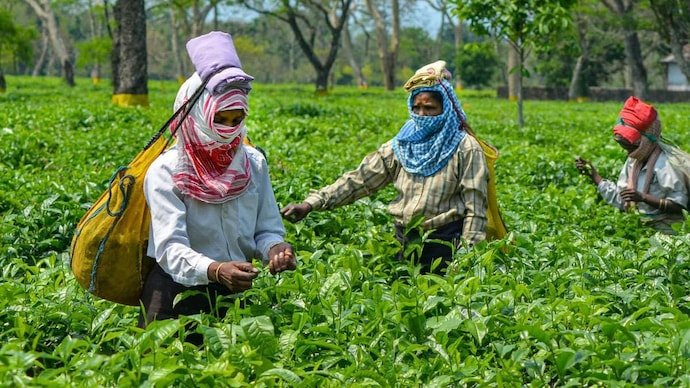
West Bengal’s tea industry, one of the state’s most important economic and cultural pillars, has entered a new phase following a series of Policy announcements in the latest state budget. The government has proposed the creation of a Tea Workers Development Board, the implementation of a major central welfare scheme for tea workers, Infrastructure investments and stricter regulations on the commercial use of tea garden land.
The measures come at a critical time for the tea industry, which continues to face challenges ranging from rising production costs and labour shortages to climate-related disruptions and fluctuating global demand. While industry stakeholders have broadly welcomed the welfare-focused approach, questions remain about whether the budget has done enough to address the financial pressures confronting tea producers.
The developments are significant not only for tea garden workers but also for the broader economy of North Bengal, where thousands of families depend directly or indirectly on the tea sector for their livelihood.
Why the Tea Industry Matters to West Bengal
West Bengal occupies a unique position in India‘s tea economy. The state is home to some of the world’s most famous tea-producing regions, including Darjeeling, Dooars and Terai. Together, these regions contribute a substantial share of India’s tea output and support hundreds of thousands of workers.
Tea is more than just an agricultural commodity in West Bengal. It is an employment generator, an export earner, a tourism driver and a crucial source of income for rural communities.
The sector contributes significantly to:
- Direct employment in tea plantations
- Packaging and processing industries
- Transportation and logistics businesses
- Export revenues
- Tourism activities linked to tea estates
However, despite its economic importance, the industry has struggled with structural challenges for years.
The Challenges Facing Tea Garden Workers
Tea workers remain among the most vulnerable labour groups in eastern India. Many tea estates continue to face issues related to Healthcare access, housing quality, nutrition and wage delays.
Workers often live in remote plantation regions where public services are limited. Seasonal fluctuations in tea prices can also affect estate finances, impacting worker welfare.
Some of the key concerns include:
- Limited healthcare infrastructure
- Inadequate housing facilities
- Nutritional challenges among vulnerable families
- Educational barriers for children
- Delayed wage payments during periods of financial stress
- Closure of financially distressed tea gardens
These challenges have long fueled demands for a dedicated institutional mechanism focused exclusively on tea worker welfare.
Tea Workers Development Board: What It Could Change
The proposed Tea Workers Development Board could become one of the most significant institutional reforms in the sector in recent years.
Rather than addressing worker issues through multiple departments, the board is expected to act as a centralized platform responsible for coordinating welfare schemes and monitoring implementation.
Its proposed responsibilities include:
- Improving healthcare access
- Facilitating housing development
- Strengthening social security coverage
- Monitoring welfare delivery
- Supporting vulnerable tea-worker families
- Coordinating with central government programmes
The creation of a dedicated board may also improve accountability and help reduce bureaucratic delays that often affect welfare delivery in plantation regions.
PMCSPY Could Bring Fresh Investment into Tea Worker Welfare
A major highlight of the budget is the implementation of the Pradhan Mantri Cha Shramik Protsahan Yojana (PMCSPY) in collaboration with the Central Government.
The scheme is designed to improve living conditions across tea-growing regions through targeted welfare interventions.
The programme is expected to focus on:
- Healthcare services
- Affordable housing
- Education assistance
- Nutrition support
- Skill development programmes
- Alternative livelihood opportunities
- Social protection measures
The initiative reflects a broader policy shift that recognizes worker welfare as essential to the long-term sustainability of the tea industry.
Understanding the New Tea Garden Land-Use Policy
Perhaps the most debated budget proposal is the reduction in commercial land-use permissions within tea estates.
The government plans to limit the percentage of tea garden land that can be used for tea tourism and other commercial activities to 15 percent.
This represents a reversal from previous proposals that sought to allow a larger portion of estate land to be utilized for non-tea commercial purposes.
| Policy Area | Previous Proposal | New Budget Proposal |
|---|---|---|
| Commercial Use of Tea Garden Land | Up to 30% | Maximum 15% |
| Primary Objective | Promote diversification | Protect ecology and local interests |
| Impact Focus | Revenue generation | Environmental sustainability |
Why the Government Tightened Land Rules
The decision appears to be driven by environmental and social concerns.
Tea estates often occupy ecologically sensitive landscapes that support biodiversity, water resources and local communities. Expanding commercial development within these areas can create pressure on ecosystems and alter traditional land-use patterns.
Supporters of the move argue that unrestricted commercial expansion could gradually transform plantation regions into real-estate and tourism hubs at the expense of tea cultivation.
By maintaining stricter limits, policymakers hope to preserve:
- Ecological balance
- Agricultural productivity
- Traditional tea-growing landscapes
- Local employment opportunities
- Cultural heritage associated with tea estates
The Industry’s Mixed Reaction
Industry stakeholders have generally welcomed the welfare-oriented aspects of the budget while expressing disappointment over the absence of direct financial relief measures.
Tea producers have been seeking assistance in several critical areas, including:
- Interest subsidies on working capital loans
- Support for modernization investments
- Lower electricity costs
- Technology upgrades
- Mechanization incentives
For many estate operators, these measures would provide immediate financial relief at a time when production costs continue to rise.
Nevertheless, industry representatives acknowledge that investments in worker welfare and infrastructure could produce long-term benefits for the sector.
The Bigger Question: Welfare vs Financial Relief
The budget raises an important policy question: Should governments prioritize direct industry subsidies or worker-focused investments?
There is no simple answer.
Direct financial assistance can help struggling businesses survive difficult periods. However, welfare investments improve human capital, strengthen labour productivity and create social stability.
The current budget appears to favor a long-term sustainability model rather than short-term financial intervention.
This approach may not immediately improve profit margins for tea companies, but it could contribute to a healthier and more resilient workforce over time.
How Climate Change Is Making Tea Production More Difficult
One factor often overlooked in discussions about the tea industry is climate change.
Research conducted by agricultural institutions and climate experts has repeatedly highlighted the vulnerability of tea cultivation to changing Weather patterns.
Tea production depends heavily on predictable rainfall, moderate temperatures and stable seasonal cycles.
Challenges increasingly reported by tea growers include:
- Erratic rainfall
- Extended dry periods
- Heat stress on tea plants
- Increased pest pressure
- Reduced yield quality
This makes infrastructure development and worker support even more important because climate-related disruptions often affect both production and employment.
The Untapped Potential of Tea Tourism
While the reduction in commercial land-use limits has sparked debate, tea tourism remains one of the industry’s most promising opportunities.
Tourists increasingly seek experiential travel that combines nature, culture and local heritage. Tea estates can offer:
- Plantation tours
- Tea tasting experiences
- Heritage stays
- Eco-tourism activities
- Cultural tourism programmes
The challenge for policymakers is finding the right balance between economic diversification and environmental protection.
The new 15 percent cap suggests the government wants tourism growth to remain controlled rather than dominant.
Reviving Closed Tea Gardens Could Be a Game Changer
Another important aspect of the budget is its emphasis on addressing the problem of closed tea gardens.
When tea estates shut down, the consequences extend far beyond Business losses. Entire communities can lose their primary source of income.
Revival efforts could generate multiple benefits:
- Restoration of employment
- Improved local economic activity
- Reduction in migration pressures
- Better social stability in plantation regions
- Preservation of productive agricultural assets
Success in this area could significantly strengthen North Bengal’s rural economy.
A New Tea Processing Ecosystem Could Improve Competitiveness
The proposal to develop a tea processing zone and common processing facilities has strategic importance.
Global tea markets are becoming increasingly competitive. Buyers demand consistent quality, efficient logistics and value-added products.
Improved processing infrastructure can help:
- Reduce production costs
- Improve quality consistency
- Boost export competitiveness
- Support smaller producers
- Increase value addition within the state
For an industry facing global competition, infrastructure modernization may prove just as important as financial assistance.
What This Means for the Future of West Bengal’s Tea Industry
The latest budget signals a clear policy direction. Instead of focusing primarily on subsidies, the government appears committed to strengthening the foundations of the tea ecosystem through worker welfare, infrastructure development, environmental protection and institutional reform.
The strategy may not satisfy every stakeholder immediately, particularly those seeking direct financial support. However, it reflects an effort to address structural challenges that have affected the industry for decades.
Conclusion: A Long-Term Vision with Important Trade-Offs
The West Bengal government’s latest tea-sector initiatives represent one of the most comprehensive policy interventions in recent years. The creation of a Tea Workers Development Board, implementation of PMCSPY, infrastructure investments and tighter land-use controls together signal a shift toward sustainable and worker-centric growth.
The real test will be execution. If welfare schemes reach workers efficiently, closed tea gardens are revived, processing infrastructure improves and environmental safeguards are maintained, the state could create a stronger and more resilient tea economy.
Looking ahead, the tea industry’s future will likely depend on balancing three critical priorities: worker welfare, business viability and environmental sustainability. The latest budget attempts to address all three. Whether it succeeds could shape the future of India’s tea heartland for years to come.
For breaking news and live news updates, like us on Facebook or follow us on Twitter and Instagram. Read more on Latest India on thefoxdaily.com.

COMMENTS 0