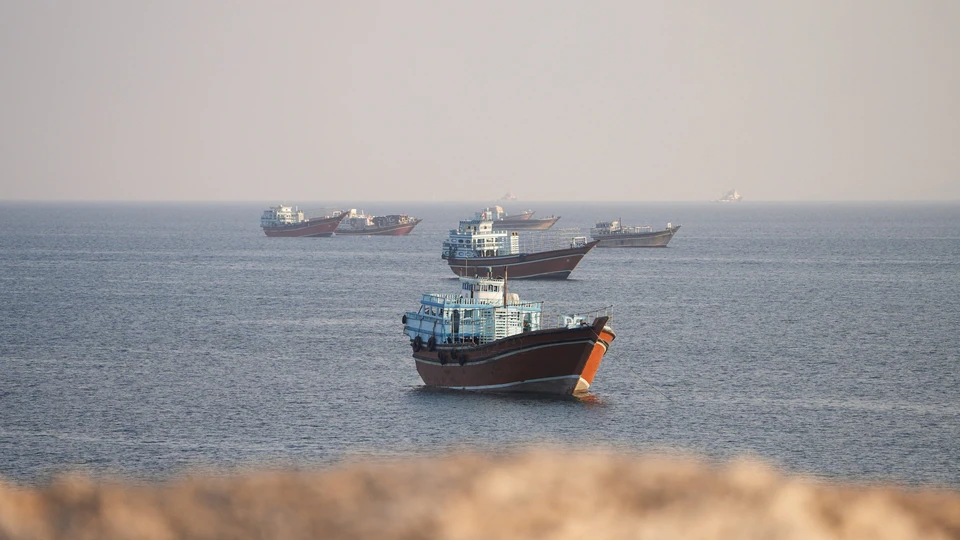
Iranian Army Commander-in-Chief Major General Amir Hatami has declared that the Strait of Hormuz will remain closed until Tehran’s conditions are fulfilled, reinforcing Iran’s hard-line position over the strategically vital Shipping route amid escalating tensions with the United States. Hatami made the statement on November 28, 2026, in a message marking Iran’s Navy Day, praising naval personnel involved in maintaining the closure and warning that Iranian forces are prepared to respond to any aggression.
His remarks underline the strategic importance Tehran attaches to the narrow waterway connecting the Persian Gulf with the Gulf of Oman and the wider Arabian Sea. The statement also signals that Iran is presenting control over maritime access as a central part of its national security position, rather than simply a Military measure. However, Hatami did not specify the conditions Iran expects to be met before the strait can reopen.
Why Has Iran Threatened to Keep the Strait of Hormuz Closed?
Hatami’s declaration comes amid a prolonged confrontation between Iran and the United States over maritime access, military operations and restrictions on Iranian ports. Tehran has increasingly used its control over the Strait of Hormuz as leverage in the wider dispute, making the waterway a central issue in negotiations and regional security calculations.
Iranian officials have repeatedly linked reopening the strait to a set of conditions they say must be fulfilled by Washington. In remarks reported earlier in the week, Hatami referred to seven conditions and warned that Iran would strengthen its control over the waterway if its demands remained unmet.
Among the demands reported in connection with Tehran’s position are an end to the conflict, the lifting of sanctions and the removal of the US naval blockade affecting Iranian ports. Iran has also indicated that it does not intend to restore normal shipping arrangements simply through temporary diplomatic assurances.
These demands reflect Tehran’s attempt to connect maritime access with the wider political and military dispute. By maintaining restrictions on one of the world’s most important shipping corridors, Iran can exert pressure that extends beyond the immediate region.
What Did Amir Hatami Say in His Navy Day Message?
Hatami issued his statement on November 28 while congratulating the Army’s Strategic Navy on Navy Day. He praised naval personnel involved in the mission to keep the Strait of Hormuz closed and described their work as an important responsibility in defending Iran’s maritime interests.
He also claimed that the Iranian Navy, working alongside other branches of the armed forces, had exposed the weaknesses of its adversaries in the Strait of Hormuz and the Gulf of Oman. His remarks portrayed the maritime confrontation as part of a wider military contest between Iran and its opponents.
The Army chief warned that Iran would respond without hesitation to any attack. He said the Strategic Navy was committed to expanding the country’s naval capabilities and punishing any force responsible for aggression against Iran.
Hatami also referred to Iranian sailors killed during the conflict, particularly personnel associated with the Dena and Jamaran. He said the armed forces remained determined to avenge those deaths and paid tribute to naval personnel and their families for their sacrifices.
These statements represent the Iranian military leadership’s position. Claims about victories over adversaries and the effectiveness of Iran’s maritime operations should be understood as assertions made by Iranian officials, rather than independently established assessments of the military balance.
Why Is the Strait of Hormuz So Important to the Global Economy?
The Strait of Hormuz is one of the world’s most strategically important maritime passages. Located between Iran to the north and Oman and the United Arab Emirates to the south, it connects the Persian Gulf with the Gulf of Oman and the Arabian Sea.
Its geographical position makes it a critical route for energy exports from major oil and gas producers in the Gulf. crude oil, petroleum products and liquefied Natural Gas shipments pass through the waterway on their way to markets in Asia, Europe and other regions.
Because there are limited alternatives for moving such large volumes of energy exports, prolonged disruption can affect international supply chains. Even the threat of restricted passage can increase uncertainty among shipping companies, insurers, energy traders and governments.
For oil-importing economies, including major Asian markets, instability in the strait can create risks of higher energy costs and supply disruptions. Changes in shipping availability, insurance premiums and tanker routes can also affect the final cost of imported fuel.
The waterway’s importance therefore extends well beyond Iran and the United States. Any prolonged interruption can have consequences for countries that depend on Gulf energy supplies, even if they are not directly involved in the confrontation.
Shipping Risks Have Increased Amid Iran’s Restrictions
Iran’s warning comes as commercial shipping through the Strait of Hormuz faces heightened security risks. On November 25, Reuters reported that Iran’s Revolutionary Guards Navy had said two oil tankers struck naval mines, exploded and caught fire in the waterway. Iranian authorities said the vessels had attempted to use an unauthorised route.
Iranian military officials have also warned vessels against passing through the strait without coordinating with Iranian forces. The warnings have added to concerns among shipping operators about the risks of navigating the area while military tensions remain high.
The reported incidents underline the difference between a political declaration that the strait is closed and the practical conditions facing individual vessels. Shipping restrictions, military warnings, potential mine hazards and uncertainty over permitted routes can severely disrupt commercial traffic even when some vessels continue to move through the region.
For shipping companies, the uncertainty makes decisions about transit routes, insurance and crew safety more complicated. Operators must consider not only the possibility of military incidents but also the risk of delays, changing instructions and damage to vessels.
Iran’s Foreign Minister Araghchi Highlights Naval Role
Iranian Foreign Minister Seyyed Abbas Araghchi also used the November 28 Navy Day occasion to emphasise the importance of maritime security. In a congratulatory message, he described protection of the Persian Gulf and the Strait of Hormuz as central to Iran’s national security and interests.
Araghchi paid tribute to Iranian sailors who lost their lives in naval service, particularly those associated with the Paykan frigate and the Dena destroyer. His message presented the Navy as an important part of Iran’s ability to protect its maritime interests and maintain its position in regional affairs.
He also recalled Operation Pearl, a naval operation during the Iran-Iraq War, and highlighted the sacrifices made by Iranian sailors. His remarks connected the current confrontation to a longer history of Iranian naval operations and the country’s emphasis on protecting its coastline and surrounding waters.
The foreign minister’s statement reinforces the military message delivered by Hatami: Tehran considers control and protection of its maritime approaches a core national interest. However, the diplomatic and military positions serve different purposes. Araghchi’s remarks emphasised national security and maritime authority, while Hatami issued a direct warning about the continued closure of the strait.
What About the Dena and Jamaran Warships?
Hatami’s reference to the Dena and Jamaran is significant because the vessels have become part of Iran’s public commemorations of naval losses during the conflict. The Army chief specifically mentioned their sailors while speaking about the armed forces’ determination to remember those killed in service.
Araghchi separately highlighted the Dena and the older Paykan frigate in his Navy Day message. By recalling the sacrifices of personnel associated with these vessels, the foreign minister sought to connect the Navy’s historical record with its present-day role in protecting Iran’s maritime interests.
The references also show how the Iranian leadership is using Navy Day to reinforce a message of national unity and military resistance. The commemorations honour fallen personnel while presenting naval service as central to the country’s defence and sovereignty.
Could the Strait of Hormuz Reopen Through Diplomacy?
Despite Hatami’s firm language, the future of the Strait of Hormuz remains closely connected to diplomatic negotiations. Iran has indicated that it is prepared to discuss reopening the waterway if the United States accepts its conditions. However, the two sides remain divided over the terms and the wider conflict.
Reuters reported on November 25 that Iran had communicated demands to Washington through diplomatic channels, including an end to the war and the lifting of the US naval blockade of Iranian ports. The report also said Tehran had offered to reopen the waterway within 48 hours if Washington accepted its conditions, with Qatar involved as a mediator.
Such an offer illustrates the potential role of the strait in negotiations. Iran is seeking to use maritime access as leverage, while the United States has an interest in restoring safe and predictable international shipping.
Any agreement would need to address more than a public announcement that the waterway is open. Shipping companies would require clarity about permitted routes, security guarantees, naval restrictions and the risk of mines or other hazards. A diplomatic understanding would also need to be implemented in a way that commercial vessels and insurers consider credible.
What Does Iran’s Warning Mean for the United States?
Hatami’s statement sends a direct message to Washington that Iran does not intend to abandon its position on the Strait of Hormuz without concessions. By linking reopening to Tehran’s conditions, the Army chief has reinforced the country’s broader strategy of using military and geographical leverage during the confrontation.
For the United States, the issue involves competing priorities: preventing further escalation, protecting maritime trade and addressing Iran’s restrictions on shipping. Any attempt to reopen the strait through military pressure could carry the risk of further confrontation, while diplomatic negotiations would require agreement on issues that extend beyond maritime access.
Iran’s military leadership has also sought to demonstrate that the country’s armed forces are prepared for further confrontation. Hatami’s warning that Iran would respond to aggression without hesitation is intended to reinforce that message. It does not, by itself, establish what military action Iran would take in response to a particular development.
What Happens Next?
The immediate question is whether Iran will maintain its restrictions on the Strait of Hormuz and whether diplomatic negotiations can produce an agreement acceptable to Tehran and Washington. Hatami’s Navy Day statement indicates that Iran is not currently signalling an unconditional reopening.
Shipping activity, security incidents and statements from both governments will be important indicators of how the situation develops. Any movement towards reopening will require greater clarity about Iran’s conditions, the status of the US naval blockade and the arrangements needed to protect commercial vessels.
For the Global Economy, the stakes are considerable. The Strait of Hormuz remains a critical route for international energy trade, and prolonged disruption could affect oil and gas supplies, shipping costs and market confidence.
Hatami’s declaration therefore goes beyond a commemorative Navy Day message. It reinforces Iran’s position that control over the strategic waterway is a central element of its national security and bargaining power. Whether that position leads to further confrontation or becomes part of a negotiated settlement will depend on the next steps taken by Tehran and Washington.
For breaking news and live news updates, like us on Facebook or follow us on Twitter and Instagram. Read more on Latest World on thefoxdaily.com.




COMMENTS 0