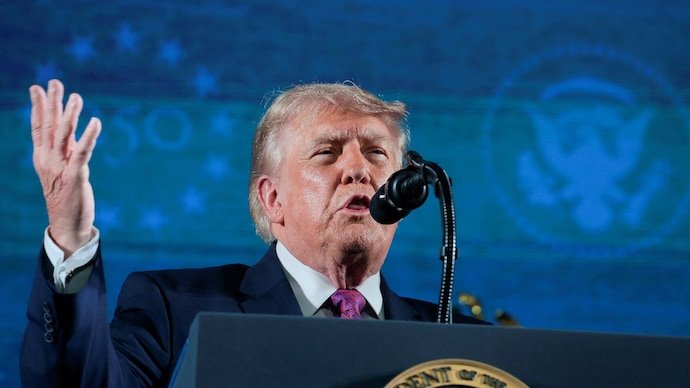
The intersection of war, diplomacy, and political messaging has once again come into sharp focus. During an Independence Day event celebrating America’s 250th anniversary, US President Donald Trump referenced Iran‘s week-long state funeral while discussing recent hostilities between Washington and Tehran. His comments, delivered before a large audience, quickly became one of the most discussed moments of the celebration, underscoring how rhetoric from world leaders can shape international perceptions during periods of geopolitical tension.
Beyond the headline-grabbing remark, the developments illustrate a much broader story involving regional security, diplomatic signaling, domestic politics, and the uncertain future of US-Iran Relations after one of the most significant crises in the Middle East in recent years.
What Did Trump Say?
Speaking during celebrations marking the 250th anniversary of American independence, President Donald Trump referred to the recent conflict with Iran and remarked that the United States had effectively allowed Iran “a week off” because it was “nice,” referring to the period during which the country is observing state funeral ceremonies.
The comments were delivered in a political speech before a large crowd and were received with applause and laughter from supporters in attendance.
Although brief, the statement attracted international attention because it coincided with one of Iran’s most significant state events in decades.
Why the Timing Matters
The remarks came as Iran officially began a week-long period of national mourning following the death of its longtime Supreme Leader during the recent conflict.
State funerals in many countries serve multiple purposes beyond honoring national leaders. They often:
- Demonstrate political continuity.
- Project national unity.
- Provide an opportunity for diplomatic engagement.
- Signal stability during periods of uncertainty.
- Allow governments to communicate future political direction.
Because of these broader implications, statements made by foreign leaders during such ceremonies often receive heightened international scrutiny.
Background: The US-Iran Conflict
The recent confrontation represented one of the most serious escalations in relations between the United States and Iran in years.
The conflict affected multiple dimensions of regional security, including:
- military operations.
- Diplomatic relations.
- Energy markets.
- Regional alliances.
- International security calculations.
Although active military operations have subsided, political tensions remain high, and diplomatic efforts continue to shape the next phase of regional developments.
Iran’s Week-Long State Funeral
The funeral ceremonies are being conducted over several days rather than immediately after death because of the extraordinary circumstances surrounding the conflict and security environment.
The programme includes:
- Public mourning ceremonies.
- State tributes.
- Religious observances.
- Processions through important cities.
- Attendance by senior domestic and foreign dignitaries.
Large public gatherings during such events also serve as demonstrations of political legitimacy and national solidarity during periods of leadership transition.
Why Funeral Diplomacy Can Influence International Relations
State funerals frequently become venues for diplomatic engagement, even between countries that maintain difficult Relationships.
International delegations often use such occasions for:
- Informal diplomatic discussions.
- Bilateral meetings.
- Regional consultations.
- Confidence-building conversations.
- Assessment of political transitions.
Consequently, global attention extends beyond the ceremonies themselves to the political interactions taking place alongside them.
Trump’s Comments as Political Messaging
Political speeches frequently serve multiple audiences at once.
In this instance, the remarks may be viewed through several perspectives:
- Domestic political messaging.
- Foreign Policy signaling.
- Communication to allies.
- Communication to adversaries.
- Reinforcement of broader national security narratives.
Leaders often use public events to project confidence while emphasizing their government’s policy priorities.
The Importance of Public Rhetoric During International Crises
Statements by heads of government can influence diplomatic environments even when they are delivered in domestic political settings.
Public remarks may affect:
- Negotiation dynamics.
- International perceptions.
- Financial markets.
- Public opinion.
- Regional strategic calculations.
For this reason, language used during periods of heightened international tension is often closely analyzed by governments, diplomats, and security experts.
How the United States Marks Its 250th Anniversary
The comments were made during nationwide celebrations commemorating 250 years of American independence.
Events included:
- Patriotic ceremonies.
- Military flyovers.
- Public gatherings.
- Community celebrations.
- Fireworks displays.
Such national celebrations traditionally provide presidents with an opportunity to reflect on national history while addressing current domestic and international priorities.
Comparison: Military Action vs. Diplomatic Engagement
| Military Strategy | Diplomatic Strategy |
|---|---|
| Focuses on immediate security objectives. | Focuses on long-term political solutions. |
| Relies on operational capabilities. | Relies on negotiation and dialogue. |
| Can alter strategic realities quickly. | Can reduce tensions over time. |
| Often involves deterrence. | Often seeks compromise or stability. |
Global Implications of Continued US-Iran Tensions
Relations between Washington and Tehran have consequences extending well beyond the two countries.
Areas commonly affected include:
- Global oil markets.
- Maritime security.
- Regional military alliances.
- International trade routes.
- Counterterrorism cooperation.
Even periods of reduced military activity often leave unresolved diplomatic and security challenges that require sustained engagement.
Expert Insight: Why Leadership Transitions Matter
Political transitions following the death of a long-serving national leader often create periods of uncertainty. Governments typically seek to reassure domestic audiences while signaling continuity to international partners.
At the same time, foreign governments closely monitor leadership transitions to assess whether existing policies are likely to continue or whether new diplomatic opportunities may emerge. This makes official ceremonies and accompanying political statements especially significant.
Potential Impact on Future Diplomacy
While public rhetoric can influence perceptions, long-term relations between countries are generally shaped by sustained diplomatic engagement, strategic interests, and institutional decision-making.
Future developments may depend on:
- Regional security conditions.
- Diplomatic negotiations.
- Economic considerations.
- International mediation efforts.
- Domestic political priorities in both countries.
Whether current tensions ease or persist will likely depend more on policy decisions than on individual public statements.
Future Outlook
The coming months are expected to remain important for Middle East diplomacy. Iran’s leadership transition, evolving regional security dynamics, and ongoing international engagement will continue to shape relations between Tehran, Washington, and other major global powers.
Although political rhetoric is likely to remain robust, the broader direction of US-Iran relations will ultimately depend on diplomatic initiatives, regional stability, and strategic calculations made by all parties involved.
Conclusion
President Donald Trump’s remarks during America’s 250th Independence Day celebrations added another layer of political symbolism to an already sensitive international moment. Coming as Iran conducts a state funeral for its late Supreme Leader, the comments highlight how public messaging can intersect with diplomacy during periods of geopolitical uncertainty.
Beyond the immediate headlines, the episode underscores larger issues surrounding leadership transitions, regional stability, and the continuing challenge of balancing military deterrence with diplomatic engagement. As the Middle East enters a new political phase, developments in US-Iran relations will remain closely watched by governments, markets, and international observers alike.
For breaking news and live news updates, like us on Facebook or follow us on Twitter and Instagram. Read more on Latest World on thefoxdaily.com.


COMMENTS 0