Ukraine says it successfully intercepted five Russian ballistic missiles during a large-scale overnight attack, highlighting both the growing effectiveness of its air defense network and the continuing threat posed by Russia‘s long-range missile campaign. While several missiles were destroyed before reaching their targets, other ballistic missiles and drones struck locations across Kyiv, damaging civilian infrastructure and reigniting concerns over Ukraine’s ability to defend its cities as winter approaches.
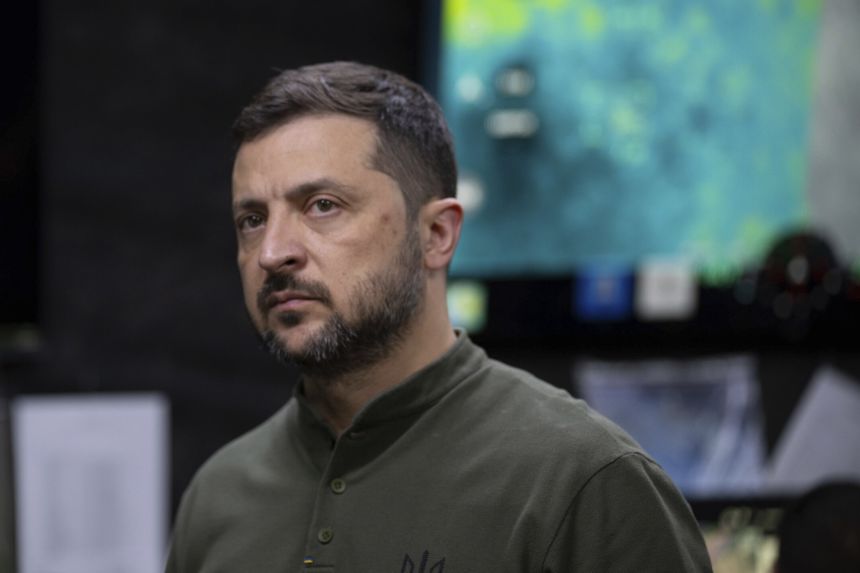
The latest attacks come at a pivotal moment in the war. President Volodymyr Zelenskyy is intensifying diplomatic efforts across Europe to secure additional air-defense systems while simultaneously proposing a long-term solution a jointly developed European ballistic missile shield capable of protecting multiple countries against future missile threats.
The developments underscore how the conflict has evolved beyond conventional battlefield operations into a contest involving advanced missile Technology, Drone Warfare, industrial production, energy infrastructure, and multinational security cooperation.
Russia Launches Fresh Missile and Drone Assault on Kyiv
According to Ukrainian authorities, Russia carried out another overnight attack using a combination of ballistic missiles and drones targeting Kyiv and other regions. Ukraine’s Air Force reported that five incoming ballistic missiles were intercepted, marking the first successful interception of Russian ballistic missiles in nearly two weeks.
Despite these interceptions, at least one ballistic missile and numerous drones reached their intended targets. Local officials reported damage to warehouses, educational facilities, and other civilian infrastructure, while falling debris from intercepted missiles caused additional destruction in multiple districts of the capital.
The attacks once again demonstrated the growing complexity of Russia’s long-range strike strategy, which increasingly combines different types of aerial threats to challenge Ukrainian air defenses.
Key Developments at a Glance
| Event | Details |
|---|---|
| Ballistic Missiles Intercepted | Five Russian ballistic missiles reportedly destroyed by Ukrainian air defenses. |
| Kyiv Damage | Warehouses and a school damaged during overnight strikes. |
| European Initiative | Ukraine joins partners to develop a shared ballistic missile shield. |
| Russian Targets | Moscow says it struck Ukrainian military-industrial facilities. |
| Ukrainian Counterstrikes | Kyiv reports attacks on Russian energy and maritime assets. |
Why Ballistic Missiles Pose a Greater Challenge
Unlike conventional drones or cruise missiles, ballistic missiles travel at extremely high speeds and follow steep trajectories after being launched. Their speed, altitude, and shorter warning times make them significantly more difficult to intercept.
Modern air-defense systems capable of countering ballistic missiles require advanced radar tracking, rapid-response interception technology, and highly trained operators.
Because of these technical challenges, successful interceptions are considered strategically important, particularly during sustained missile campaigns.
The Critical Role of Patriot Air Defense Systems
Defense analysts believe Ukraine’s successful interceptions were likely carried out using the Patriot surface-to-air missile system, one of the few operational systems specifically designed to intercept ballistic missiles.
The Patriot system has become one of Ukraine’s most valuable defensive assets because it can engage multiple aerial threats simultaneously while protecting densely populated urban areas and critical infrastructure.
However, maintaining these capabilities remains difficult due to:
- Limited interceptor missile supplies.
- High production costs.
- Growing global demand.
- Long manufacturing timelines.
- Increasing intensity of Russian missile attacks.
These factors have made continued international military assistance essential for sustaining Ukraine’s defensive operations.
Zelenskyy Seeks a Shared European Missile Shield
While visiting France, President Volodymyr Zelenskyy announced a broader security initiative involving Ukraine and nine European partner countries to develop a shared ballistic missile defense network.
The proposal reflects a shift from relying solely on individual national air-defense systems toward creating an integrated regional architecture capable of responding collectively to future missile threats.
According to Zelenskyy, participating countries aim to develop an affordable, mass-produced missile defense solution within the next year.
Although details of the project remain limited, the initiative highlights Europe’s growing interest in strengthening collective defense capabilities beyond NATO‘s existing structures.
Why Europe Is Investing More in Air Defense
The war in Ukraine has transformed European defense planning. Missile attacks on cities, power stations, transportation networks, and civilian infrastructure have demonstrated that modern conflicts increasingly extend far beyond front-line combat.
As a result, European governments have accelerated investments in:
- Integrated air-defense networks.
- Ballistic missile interception systems.
- Long-range radar coverage.
- Drone detection technology.
- Military-industrial production.
- Joint defense procurement.
These investments are intended not only to support Ukraine but also to strengthen Europe’s own long-term security posture.
France Showcases Support During Bastille Day Celebrations
Ukraine’s diplomatic outreach coincided with Bastille Day celebrations in Paris, where Ukrainian troops participated in the annual military parade along the Champs-Élysées.
The ceremony carried symbolic significance, with European leaders publicly demonstrating continued support for Ukraine.
Ukrainian pilots trained in France also participated by flying Mirage 2000 aircraft alongside French Air Force crews, highlighting expanding military cooperation between Kyiv and its European partners.
The presence of approximately 500 troops representing the so-called “Coalition of the Willing” further emphasized Europe’s ongoing commitment to Ukraine’s future security.
War Continues Beyond the Front Lines
While Russia continued launching missiles toward Ukrainian cities, Ukraine simultaneously expanded its own long-range strike campaign against targets inside Russian territory.
According to Ukrainian officials, recent operations targeted:
- Oil refineries.
- Industrial facilities.
- Maritime logistics assets.
- Fuel infrastructure.
- Russian naval support vessels.
These operations reflect Ukraine’s strategy of disrupting logistics and reducing Russia’s ability to sustain prolonged military operations.
Energy Infrastructure Remains a Strategic Target
Both sides continue to view energy infrastructure as a critical component of the conflict.
Ukraine reported strikes against Russian Oil facilities, while Russia has repeatedly targeted Ukraine’s electricity generation and transmission infrastructure.
Energy facilities have become strategically significant because they directly influence:
- Military logistics.
- Industrial production.
- Civilian resilience.
- Winter heating supplies.
- Economic stability.
Protecting energy infrastructure is therefore becoming nearly as important as defending military positions on the battlefield.
Russia’s “Shadow Fleet” Under Increased Pressure
Ukraine also announced operations targeting several vessels associated with Russia’s so-called “shadow fleet.”
The term generally refers to aging commercial tankers operating under complex ownership structures that have been linked to transporting sanctioned oil through alternative shipping arrangements.
These vessels have attracted increasing international attention because they are viewed as important components of Russia’s energy export strategy despite Western sanctions.
Comparing the Two Strategies
| Russia’s Current Focus | Ukraine’s Current Focus |
|---|---|
| Missile and drone strikes on military and infrastructure targets. | Strengthening air defenses and intercepting incoming missiles. |
| Targeting defense production facilities. | Attacking fuel, logistics, and naval assets. |
| Maintaining pressure through long-range strikes. | Building international security partnerships. |
| Continuing military operations. | Seeking stronger diplomatic and military support. |
The Challenge of Building More Patriot Systems
Recent discussions have also focused on expanding Patriot missile production. Although proposals have been made to increase manufacturing capacity, producing advanced air-defense systems remains a lengthy process involving sophisticated components and specialized industrial facilities.
Even with expanded production, newly manufactured systems are unlikely to become operational immediately, meaning existing inventories remain critically important.
Ceasefire Prospects Remain Uncertain
Despite repeated international efforts to encourage negotiations, the conflict continues with little indication of an immediate ceasefire.
President Zelenskyy has reiterated calls for diplomacy while emphasizing that Ukraine must continue strengthening its defenses until meaningful negotiations become possible.
Meanwhile, military operations by both sides continue to extend beyond traditional front lines, affecting energy facilities, industrial centers, transportation networks, and maritime assets.
Why Air Defense Will Shape the Next Phase of the War
Military analysts increasingly view air defense as one of the defining factors of the conflict’s future trajectory.
The ability to protect cities, critical infrastructure, industrial production, and civilian populations will significantly influence both military effectiveness and national resilience.
As missile technology evolves, countries across Europe are likely to place greater emphasis on integrated defense networks capable of responding rapidly to increasingly sophisticated aerial threats.
Conclusion
Ukraine’s interception of five Russian ballistic missiles demonstrates both the growing effectiveness of its air-defense capabilities and the continuing intensity of Russia’s long-range strike campaign. At the same time, President Volodymyr Zelenskyy’s proposal for a shared European ballistic missile shield reflects a broader recognition that modern security challenges increasingly require multinational solutions rather than isolated national responses.
With missile attacks continuing, energy infrastructure remaining under pressure, and diplomatic efforts yielding little progress toward a ceasefire, the conflict is entering another phase in which technological innovation, industrial capacity, and international cooperation may prove just as decisive as developments on the battlefield. For Europe, Ukraine’s appeal represents not only a request for military assistance but also a broader Vision of collective security in an increasingly uncertain geopolitical environment.
For breaking news and live news updates, like us on Facebook or follow us on Twitter and Instagram. Read more on Latest World on thefoxdaily.com.






COMMENTS 0