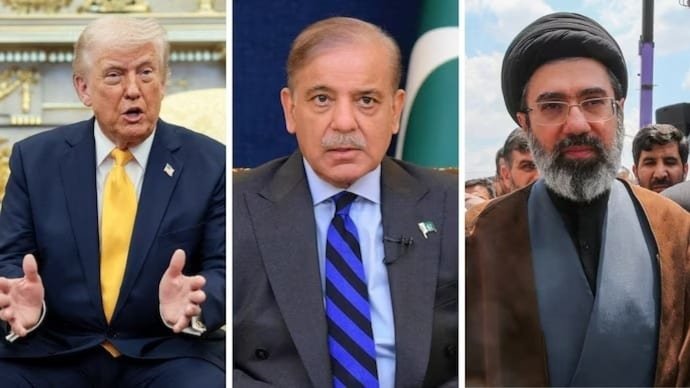
The military confrontation between the United States and Iran has entered its tenth consecutive day, with both sides continuing strikes across the Middle East despite ongoing diplomatic efforts to prevent a broader regional conflict. Fighting around the strategically important Strait of Hormuz has disrupted commercial shipping, increased concerns over global energy supplies and placed renewed pressure on international markets.
At the same time, Pakistan has intensified diplomatic engagement in an effort to restore negotiations following the collapse of an earlier ceasefire framework. However, continued military operations and increasingly firm public positions from Washington have made any immediate diplomatic breakthrough increasingly difficult.
Beyond the battlefield, the crisis carries far-reaching consequences for oil-importing nations, global Inflation, maritime trade, regional security and financial markets, making it one of the most closely watched geopolitical developments in the world.
Latest Developments in the US-Iran Conflict
Military operations continued across multiple locations in the Gulf region as both sides exchanged fresh attacks targeting strategic assets and military infrastructure.
According to official statements, operations have focused on:
- Military command facilities.
- Missile launch infrastructure.
- Drone capabilities.
- Air defence systems.
- Maritime assets.
- Strategic logistical facilities.
The continued escalation has significantly reduced prospects for an immediate ceasefire while increasing uncertainty across the wider Middle East.
Why the Strait of Hormuz Matters to the World
The Strait of Hormuz remains one of the world’s most strategically important maritime chokepoints.
Located between Iran and Oman, the narrow waterway connects the Persian Gulf to international shipping lanes and serves as a critical route for global energy exports.
Its importance stems from several factors:
- Large volumes of global crude oil exports transit through the strait.
- Liquefied natural gas shipments depend heavily on the route.
- Major Gulf energy producers rely on uninterrupted maritime access.
- Disruptions can rapidly influence international fuel prices.
Any prolonged interruption to shipping through the strait has the potential to affect economies far beyond the Middle East.
Pakistan Attempts to Revive Diplomacy
Pakistan has continued diplomatic efforts aimed at reducing tensions between Washington and Tehran.
Senior Iranian officials held meetings with Pakistan’s political and military leadership as Islamabad sought to encourage renewed dialogue following the breakdown of earlier negotiations.
Pakistan has consistently emphasized:
- Regional stability.
- Peaceful negotiations.
- Diplomatic engagement.
- Avoidance of wider conflict.
- Protection of international trade routes.
However, ongoing military operations have complicated those diplomatic initiatives.
US Position Appears to Harden
Statements from Washington suggested that the United States remains focused on military objectives while indicating that meaningful diplomatic engagement would require significant progress from the Iranian side.
Such public messaging often influences negotiations by signaling political priorities to allies, adversaries and international partners.
Diplomatic observers note that public statements during active conflicts frequently shape expectations surrounding future negotiations.
Maritime Security Concerns Continue to Grow
The conflict has increasingly shifted toward maritime security, with commercial shipping facing heightened operational risks.
Security concerns include:
- Attacks on commercial vessels.
- Shipping route disruptions.
- Insurance cost increases.
- Delayed cargo deliveries.
- Higher transportation expenses.
Shipping companies operating in the Gulf region continue monitoring security advisories before routing vessels through affected waters.
Red Sea Adds Another Layer of Risk
Alongside developments in the Gulf, security concerns have expanded into the Red Sea, another vital international trade corridor.
The possibility of simultaneous disruptions in multiple maritime routes has raised broader concerns regarding:
- Global supply chains.
- Oil transportation.
- Container shipping.
- International commerce.
- Energy exports.
These interconnected waterways play a central role in global trade, making regional instability an issue of worldwide economic significance.
Oil Prices Respond to Geopolitical Uncertainty
Energy markets reacted quickly to the continued escalation.
Historically, geopolitical tensions involving major oil-producing regions often contribute to increased market volatility because traders anticipate possible supply disruptions.
Higher crude Oil Prices can eventually influence:
- Petrol and diesel costs.
- Transportation expenses.
- Airline operating costs.
- Manufacturing input prices.
- Inflation.
For energy-importing countries, sustained price increases can place additional pressure on government budgets and consumers.
Impact on Global Economy
Beyond energy markets, prolonged instability could affect multiple sectors of the global economy.
Possible implications include:
- Higher freight costs.
- Supply chain delays.
- Commodity price volatility.
- Currency fluctuations.
- Reduced investor confidence.
- Financial market uncertainty.
Global businesses generally prefer predictable geopolitical conditions, particularly for international trade and investment planning.
Comparison: Military Escalation vs Diplomatic Efforts
| Area | Military Developments | Diplomatic Response |
|---|---|---|
| United States | Continued military operations | Maintains conditions for future talks |
| Iran | Regional military activities | Engaged through regional diplomatic channels |
| Pakistan | No direct military role | Seeking renewed negotiations |
| Gulf Region | Maritime security concerns | Calls for regional stability |
| Global Markets | Higher energy prices | Monitoring geopolitical developments |
Why the Strait of Hormuz Is So Strategically Important
The Strait of Hormuz has long been regarded as one of the world’s most sensitive strategic locations because it connects major Gulf energy producers with international markets.
Any disruption can influence:
- Global oil availability.
- Natural gas exports.
- Shipping insurance costs.
- Energy Security planning.
- International commodity prices.
For this reason, governments and financial markets closely monitor developments in the region during periods of heightened tension.
Expert Insight: Why Diplomacy Becomes Harder During Active Conflict
Negotiations become significantly more difficult once military operations intensify.
Each new strike can reduce political flexibility, strengthen domestic pressure on leaders and increase mistrust between opposing sides. Even when diplomatic channels remain open, ongoing military activity often slows progress because governments prioritize immediate security objectives before considering long-term political agreements.
This explains why ceasefire initiatives frequently require sustained international mediation and confidence-building measures before formal negotiations can resume.
What the International Community Is Watching
Several developments will likely determine how the situation evolves in the coming days:
- Security conditions in the Strait of Hormuz.
- Commercial shipping activity.
- Global oil market reactions.
- Regional diplomatic initiatives.
- Further military escalation or de-escalation.
- International humanitarian concerns.
Financial markets, shipping companies and governments are expected to continue closely monitoring developments because of their potential global implications.
Future Outlook
The immediate outlook remains uncertain.
While diplomatic engagement continues through regional partners, ongoing military operations and increasingly firm public positions suggest that achieving a near-term ceasefire may remain challenging.
At the same time, international pressure for de-escalation is likely to grow if disruptions to energy supplies and commercial shipping continue.
Conclusion
As the US-Iran conflict enters its tenth day, the crisis has expanded beyond direct military exchanges to affect regional diplomacy, maritime security, energy markets and the broader global economy. Pakistan’s efforts to revive negotiations highlight continuing diplomatic attempts to reduce tensions, but persistent military operations have complicated the path toward meaningful dialogue.
With the Strait of Hormuz remaining under intense international scrutiny and oil markets responding to ongoing uncertainty, the coming days will be crucial in determining whether diplomatic engagement can regain momentum or whether the conflict moves toward further regional escalation. The outcome will have implications not only for the Middle East but also for global trade, energy security and economic stability.
For breaking news and live news updates, like us on Facebook or follow us on Twitter and Instagram. Read more on Latest World on thefoxdaily.com.






COMMENTS 0