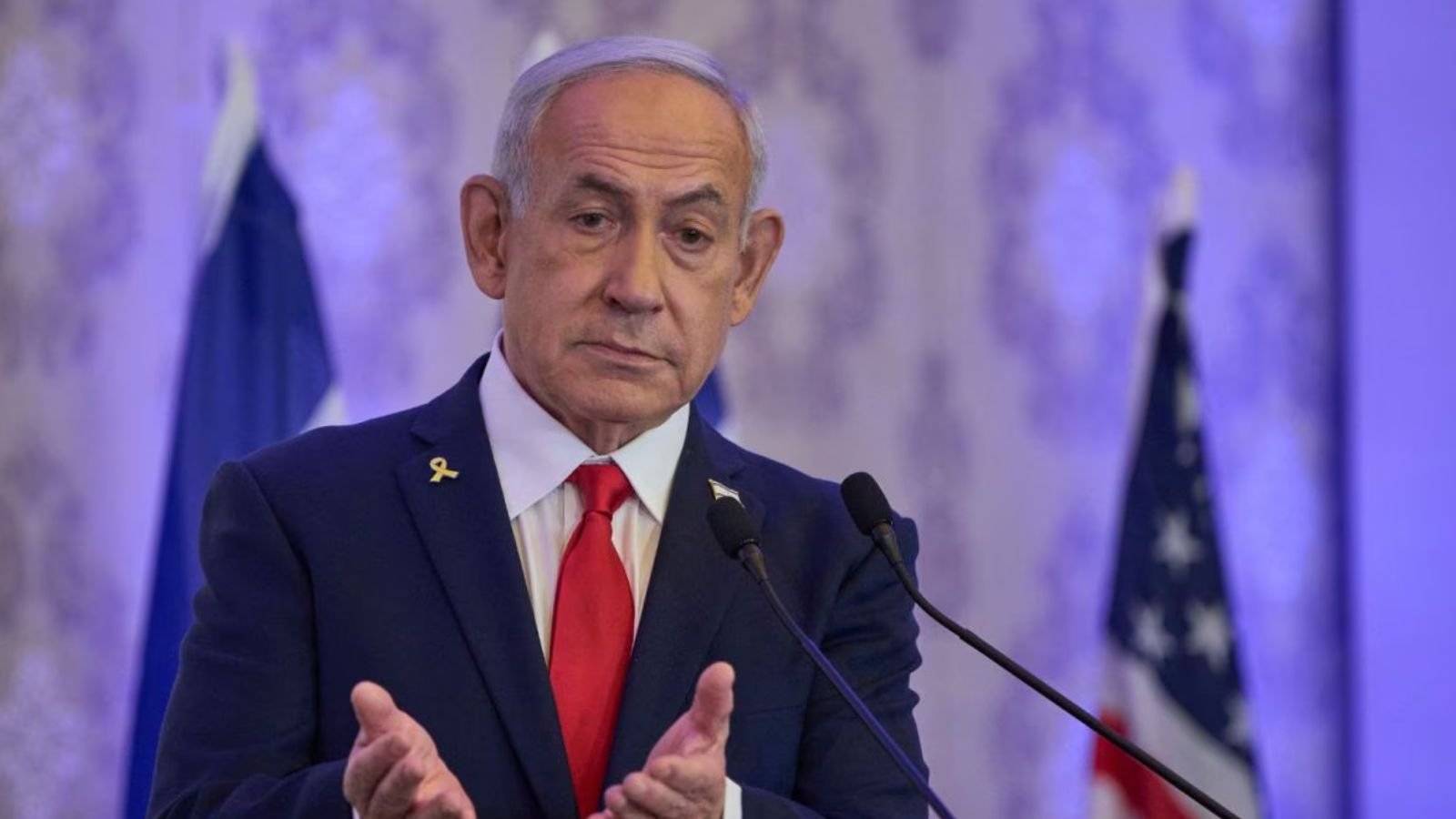
The relationship between the United States and Israel has long been one of the most important strategic partnerships in global politics. Yet even close allies can disagree on how to handle major security threats. That dynamic is increasingly visible as US President Donald Trump pursues a diplomatic framework with Iran while Israeli Prime Minister Benjamin Netanyahu continues to emphasize military pressure against Tehran and its regional network of allies.
For Netanyahu, the issue extends far beyond a ceasefire agreement. It touches on National Security, domestic politics, regional deterrence, coalition stability, and Israel’s long-term strategy toward Iran’s nuclear ambitions.
While Trump views diplomacy as a possible pathway toward regional stability, Netanyahu appears concerned that a premature settlement could undermine military gains and limit Israel’s freedom to respond to future threats.
Understanding these concerns requires examining the broader geopolitical landscape and the pressures facing Israel’s leadership ahead of a crucial election year.
The Core Disagreement: Diplomacy vs Continued Pressure
At the heart of the tension is a fundamental strategic difference.
The Trump administration appears focused on reducing regional conflict through negotiations, economic incentives, and diplomatic engagement.
Netanyahu, meanwhile, has consistently argued that Iran represents a long-term security threat that requires sustained pressure.
עם הסכם, בלי הסכם – כל עוד אני ראש ממשלת ישראל, לאיראן לא יהיה נשק גרעיני. pic.twitter.com/CdGChKskph
— Benjamin Netanyahu – בנימין נתניהו (@netanyahu) June 16, 2026
This difference does not necessarily mean the two leaders are adversaries. Rather, they appear to disagree on the timing and conditions under which tensions with Iran should be reduced.
For Israel, which sits geographically close to multiple Iranian-backed groups, security calculations often differ significantly from those in Washington.
Reason 1: Israel Wants to Maintain Military Momentum
One of the most immediate sources of friction involves ongoing military operations.
Even as diplomatic efforts seek to reduce violence across the region, Israel has continued operations against Hezbollah and other groups it views as direct security threats.
From Netanyahu’s perspective, halting military pressure too early could create several risks:
- Allow adversaries time to regroup.
- Reduce Israel’s deterrence capabilities.
- Allow militant networks to rebuild infrastructure.
- Create uncertainty about long-term security outcomes.
Military planners often argue that negotiations are most effective when conducted from a position of strength. Netanyahu’s actions suggest he may believe Israel has not yet achieved all of its strategic objectives.
This creates a natural tension with any diplomatic initiative seeking immediate de-escalation.
Reason 2: Netanyahu Views Recent Operations as Historic Successes
Another major factor is Netanyahu’s public portrayal of recent military actions.
The Israeli prime minister has repeatedly described operations against Iran and its network of regional allies as among the most significant achievements in Israel’s modern security history.
According to Israeli officials, recent campaigns have aimed to:
- Disrupt nuclear-related activities.
- Target military infrastructure.
- Reduce missile capabilities.
- Weaken regional proxy networks.
- Strengthen Israel’s strategic deterrence.
When leaders publicly frame military campaigns as highly successful, accepting a diplomatic compromise can become politically complicated.
If Netanyahu believes Israel currently holds a strategic advantage, he may be reluctant to support an agreement that could be perceived domestically as stopping before all objectives are achieved.
Reason 3: Election-Year Politics Increase the Stakes
Domestic politics may be among the most important factors influencing Netanyahu’s position.
Israel is approaching a crucial election cycle, and political survival often shapes decision-making during periods of national security debate.
Netanyahu faces several challenges simultaneously:
| Political Challenge | Potential Impact |
|---|---|
| Upcoming Elections | Pressure to demonstrate strong leadership |
| Coalition Management | Need to maintain support from key allies |
| Security Expectations | Voters prioritize national defense |
| Legal Challenges | Additional political scrutiny |
| Opposition Criticism | Pressure from rival parties |
Historically, security issues play a significant role in Israeli Elections.
Any perception that the government has softened its stance toward Iran could become a political vulnerability, particularly among conservative and security-focused voters.
As a result, Netanyahu may feel compelled to maintain a firm public position even while diplomatic discussions continue.
Reason 4: Opposition Parties Are Exploiting the Situation
The political challenge is compounded by criticism from opposition leaders.
Critics argue that Netanyahu faces an uncomfortable dilemma.
On one side is Israel’s most important international ally, the United States.
On the other side are domestic expectations regarding national security and military independence.
Opposition figures have suggested Netanyahu faces two difficult choices:
- Challenge Washington and risk diplomatic friction.
- Accept the agreement and face criticism at home.
This political framing creates a difficult balancing act.
Maintaining strong ties with the United States remains a strategic priority for Israel, yet appearing overly dependent on American diplomatic decisions could carry domestic political costs.
The result is a complex situation in which every public statement is closely scrutinized.
Reason 5: Coalition Partners Are Pushing for a Harder Line
Perhaps the most immediate pressure comes from within Netanyahu’s own governing coalition.
Several coalition partners and right-wing political figures have publicly expressed skepticism regarding ceasefire arrangements involving Iran and its allies.
Their concerns include:
- Incomplete security guarantees.
- Continued activity by regional militant groups.
- Questions about enforcement mechanisms.
- Potential restrictions on Israeli military action.
- Long-term trust issues with Iran.
Coalition governments often require careful compromise among diverse political factions.
If influential coalition partners strongly oppose elements of a peace framework, Netanyahu must weigh diplomatic objectives against the risk of political instability at home.
This dynamic may explain some of the caution evident in Israel’s public messaging.
The Hezbollah Factor Remains Critical
A major source of Israeli concern involves Hezbollah, the Iran-backed group based in Lebanon.
For years, Israeli security officials have viewed Hezbollah’s missile arsenal and military infrastructure as one of the country’s most significant threats.
Even if a broader US-Iran agreement is reached, questions remain regarding:
- Hezbollah’s future military activities.
- Cross-border security arrangements.
- Weapons transfers.
- Regional proxy operations.
- Enforcement of ceasefire commitments.
Because these issues directly affect Israeli security, Netanyahu may believe that diplomatic progress with Iran alone does not fully address Israel’s concerns.
The Nuclear Issue Has Not Disappeared
Another important factor is Iran’s nuclear program.
Israeli governments across multiple administrations have consistently identified preventing a nuclear-armed Iran as a top national security objective.
For Netanyahu, any agreement is likely to be evaluated through a central question:
Does it permanently prevent Iran from acquiring nuclear weapons capabilities?
If Israeli officials perceive ambiguity regarding this issue, skepticism toward diplomatic initiatives becomes more understandable.
This concern has shaped Israeli policy for decades and remains central to strategic decision-making.
Trump and Netanyahu: Allies With Different Priorities
Although Trump and Netanyahu have historically enjoyed a strong political relationship, alliances do not eliminate policy disagreements.
The two leaders may currently be operating under different strategic priorities.
| Trump’s Focus | Netanyahu’s Focus |
|---|---|
| Regional Stability | Long-Term Security Threats |
| Diplomatic Agreements | Military Deterrence |
| Conflict De-escalation | Maintaining Strategic Pressure |
| International Cooperation | Operational Freedom |
| Peace Frameworks | Security Guarantees |
These priorities are not mutually exclusive, but they can produce different approaches to the same problem.
What This Means for the Middle East
The broader implications extend beyond Israel and Iran.
Regional governments are closely watching how the situation develops because the outcome could influence:
- Future diplomatic initiatives.
- Regional security architecture.
- Energy markets.
- Military alliances.
- Investment confidence.
- Trade and economic development.
A successful agreement could reduce tensions and create new opportunities for cooperation.
Conversely, unresolved disagreements among key stakeholders could complicate implementation and enforcement.
The Bigger Strategic Question
The debate ultimately reflects a broader question that has shaped Middle Eastern policy for decades:
Can lasting security be achieved through diplomacy alone, or must it be reinforced through sustained military pressure?
Supporters of negotiations argue that diplomatic agreements offer the best path toward long-term stability.
Critics counter that agreements are only effective when backed by credible deterrence and strict enforcement.
The current disagreement between Washington and Jerusalem reflects these competing schools of thought.
Conclusion: Netanyahu’s Concerns Go Beyond Politics
While political pressures, elections, and coalition dynamics certainly influence Netanyahu’s position, his concerns about the Trump-backed Iran peace initiative appear rooted in broader strategic calculations.
Israel’s leadership believes it has achieved significant military gains against Iran and its regional network, and there is understandable reluctance to accept arrangements that might limit future security options before all threats are addressed.
At the same time, Trump’s administration sees diplomacy as an opportunity to reduce regional tensions and create a framework for greater stability.
The resulting disagreement does not necessarily indicate a breakdown in US-Israel relations. Instead, it highlights the complexity of balancing immediate security concerns with long-term diplomatic objectives.
As negotiations evolve and details become clearer, the success of any agreement will likely depend on whether it can satisfy both priorities: reducing conflict while addressing Israel’s demand for durable security guarantees.
For breaking news and live news updates, like us on Facebook or follow us on Twitter and Instagram. Read more on Latest World on thefoxdaily.com.






COMMENTS 0