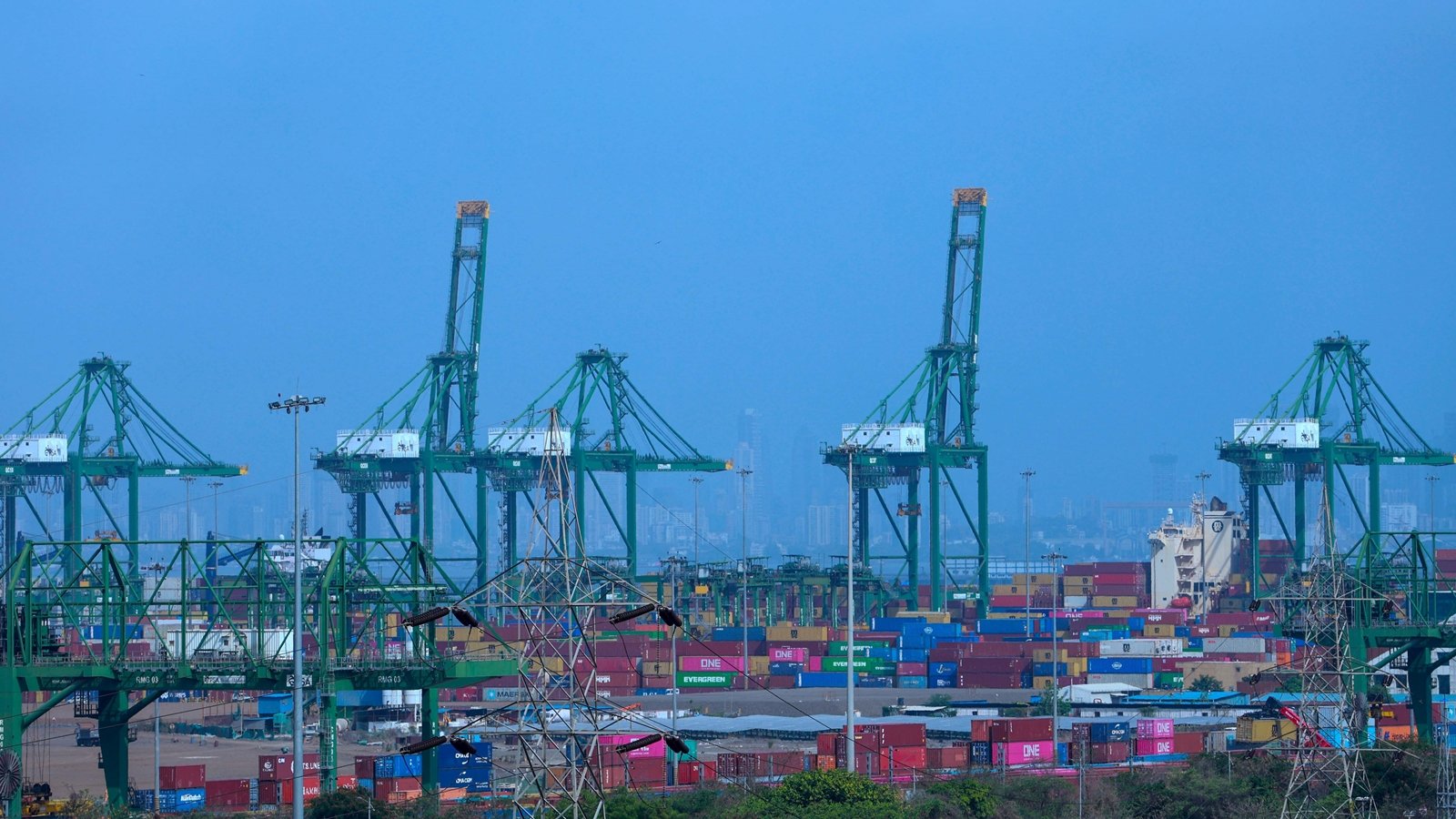
India’s export sector has received an unexpected boost amid global uncertainty. Despite geopolitical tensions, volatile energy markets, and concerns over slowing global growth, the country’s merchandise exports recorded their fastest expansion in six months during May 2026.
The surge comes at a crucial time for the Indian Economy. global trade has been under pressure from conflicts in West Asia, elevated shipping costs, supply-chain disruptions, and uncertainty surrounding energy prices. Yet India’s exporters have managed to capitalize on a weaker rupee and improving demand in key overseas markets.
The latest trade figures reveal a story that goes beyond headline export growth. They highlight how currency movements, energy prices, geopolitical developments, and structural shifts in India’s export basket are reshaping the country’s position in global trade.
India’s Export Growth Reaches a Six-Month Peak
According to official trade data, India’s goods exports rose 18% year-on-year to $45.2 billion in May 2026, compared with $38.3 billion during the same month last year.
This represents the strongest monthly export performance in six months and signals a significant recovery after periods of sluggish global demand.
Several factors contributed to this growth:
- Depreciation of the Indian rupee over the past year
- Improved trade activity with West Asian economies
- Strong petroleum product exports
- Continued expansion in engineering shipments
- Growing electronics exports
- Resilient demand from major global markets
The performance is particularly noteworthy because it occurred during a period of heightened uncertainty in international markets.
How a Weaker Rupee Boosted Indian Exports
One of the most important drivers behind the export surge has been the depreciation of the Indian rupee.
Over the past twelve months, the domestic currency weakened by more than 10% against major global currencies before partially recovering.
A weaker currency typically improves export competitiveness because foreign buyers can purchase Indian goods at relatively lower prices when paying in dollars, euros, or other currencies.
This provides exporters with several advantages:
- Greater pricing flexibility
- Improved competitiveness against rival exporters
- Higher rupee realization for overseas sales
- Potential gains in profit margins
However, the benefit is not entirely one-sided. A weaker currency also makes imports more expensive, particularly critical imports such as crude oil, gold, machinery, and industrial inputs.
This dual effect explains why export growth has coincided with a widening Trade Deficit.
West Asia Recovery Provides a Major Boost
A less discussed but highly significant factor behind the export rebound has been the stabilization of trade flows with West Asia.
The region is one of India’s most important trading partners, serving as a key destination for petroleum products, engineering goods, food products, chemicals, and manufactured exports.
Recent disruptions caused by regional tensions had created concerns about shipping routes, insurance costs, and logistics challenges.
However, signs of improving stability have begun to restore confidence among exporters.
Commerce officials indicated that exports to West Asia during May nearly matched levels recorded during the same period last year despite earlier disruptions.
This recovery underscores the strategic importance of the region to India’s trade ambitions.
The US-Iran Peace Deal Could Change Everything
One of the biggest developments influencing trade sentiment is the emerging peace agreement between the United States and Iran.
While the long-term outcome remains uncertain, exporters are optimistic that reduced geopolitical tensions could create several benefits:
- Lower shipping costs
- Reduced insurance premiums
- Improved supply-chain reliability
- Greater energy market stability
- Higher investor confidence
- Stronger regional demand
The significance extends beyond India.
West Asia sits at the heart of Global energy transportation routes, making stability in the region critical for international trade.
If the peace framework holds, exporters could experience a more predictable operating environment over the coming months.
Trade Deficit Expands Despite Strong Exports
While exports performed strongly, imports grew even faster in absolute terms.
India’s imports climbed 20.62% to $73.41 billion in May, resulting in a trade deficit of $28.21 billion.
This represents a significant increase from the $22.56 billion deficit recorded during the same month last year.
| Trade Indicator | May 2025 | May 2026 | Growth |
|---|---|---|---|
| Exports | $38.3 Billion | $45.2 Billion | 18% |
| Imports | $60.86 Billion | $73.41 Billion | 20.62% |
| Trade Deficit | $22.56 Billion | $28.21 Billion | Higher Deficit |
The widening deficit reflects India’s dependence on imported energy and precious metals, both of which became significantly more expensive during the period.
Petroleum Exports Emerge as a Star Performer
Among all export categories, petroleum products delivered one of the strongest performances.
Petroleum exports surged nearly 55% to $8.42 billion.
This growth was driven by:
- Higher global crude prices
- Strong refining margins
- Increased overseas demand
- India’s expanding refining capacity
India has become one of the world’s largest refining hubs, importing crude oil and exporting refined petroleum products to numerous international markets.
This sector continues to play a vital role in the country’s export earnings.
Engineering Exports Show Remarkable Strength
Engineering goods remain one of India’s most important export sectors.
Engineering exports reached $12.31 billion in May, recording growth of nearly 24.5% compared with the previous year.
The sector’s strong performance highlights India’s growing capabilities in manufacturing and industrial production.
Key engineering exports include:
- Industrial machinery
- Automotive components
- Electrical equipment
- Capital goods
- Transport equipment
- Industrial products
The cumulative engineering export value during the first two months of the fiscal year exceeded $22 billion, demonstrating sustained momentum.
Electronics Continue India’s Export Transformation
India’s electronics sector has become one of the most closely watched areas of export growth.
Electronic goods exports increased to over $5 billion during May.
This reflects broader changes underway in India’s manufacturing ecosystem.
Government initiatives, supply-chain diversification by global companies, and rising domestic manufacturing capacity have all contributed to the sector’s expansion.
Many analysts view electronics as one of India’s most promising export opportunities over the next decade.
Why Gold Imports Are Surging
One of the biggest contributors to the widening trade deficit has been a dramatic increase in gold imports.
Gold imports surged 60% during the first two months of the fiscal year, reaching more than $9 billion.
Several factors explain the increase:
- Strong consumer demand
- Wedding season purchases
- Investment demand amid uncertainty
- Jewellery manufacturing requirements
India remains one of the world’s largest consumers of gold, making import trends highly significant for overall trade balances.
Challenges Facing the Gems and Jewellery Sector
The jewellery industry presents a mixed picture.
Studded gold jewellery exports recorded positive growth, indicating healthy international demand for value-added products.
However, plain gold jewellery exports experienced a sharp decline.
Industry representatives attribute this weakness partly to tighter gold import conditions that have affected raw material availability.
This divergence highlights an important trend: global demand increasingly favors higher-value jewellery products over simpler designs.
Export Sectors Still Under Pressure
Not every export category benefited from the favorable environment.
Several traditional sectors reported negative growth, including:
- Tea
- Tobacco
- Spices
- Cashew products
- Marine products
- Leather goods
- Textiles
The struggles in these sectors reflect ongoing challenges such as global demand fluctuations, competition from other exporting nations, and changing consumer preferences.
Why Rising US Imports Matter
One of the most striking developments in the trade data was the sharp increase in imports from the United States.
Imports from the US surged more than 54% during May.
This growth was largely driven by increased energy purchases.
At the same time, India’s exports to the US grew by less than 1%.
This imbalance is important because the United States remains India’s largest export destination.
If export growth to America remains subdued while imports continue rising, trade dynamics between the two countries could become a larger policy discussion in the future.
The Bigger Picture: India’s Position in Global Trade Is Evolving
The latest trade figures reveal more than just a strong export month.
They illustrate a structural transformation taking place within India’s export economy.
Traditional exports such as textiles and agricultural products are increasingly sharing space with:
- Electronics
- Engineering goods
- Advanced manufacturing products
- Refined petroleum products
- Technology-driven exports
This evolution aligns with India’s broader ambition of becoming a major manufacturing and export hub.
Future Outlook: Can Export Momentum Continue?
India’s export outlook for the remainder of 2026 will depend on several critical factors.
The stability of the US-Iran peace process, global oil prices, exchange-rate movements, and economic growth in major markets will all influence future performance.
If geopolitical tensions continue to ease, exporters could benefit from lower logistics costs and improved market confidence.
At the same time, rising energy imports and elevated gold demand remain potential risks for the trade balance.
The encouraging sign is that India’s export growth is increasingly being driven by higher-value sectors such as engineering, electronics, and advanced manufacturing rather than relying solely on traditional industries.
May’s six-month-high export performance suggests that Indian exporters are adapting successfully to a changing global landscape. Whether this momentum evolves into a sustained trend will depend on how effectively the country navigates global economic uncertainty, energy market volatility, and shifting international trade dynamics in the months ahead.
For breaking news and live news updates, like us on Facebook or follow us on Twitter and Instagram. Read more on Latest Business on thefoxdaily.com.






COMMENTS 0