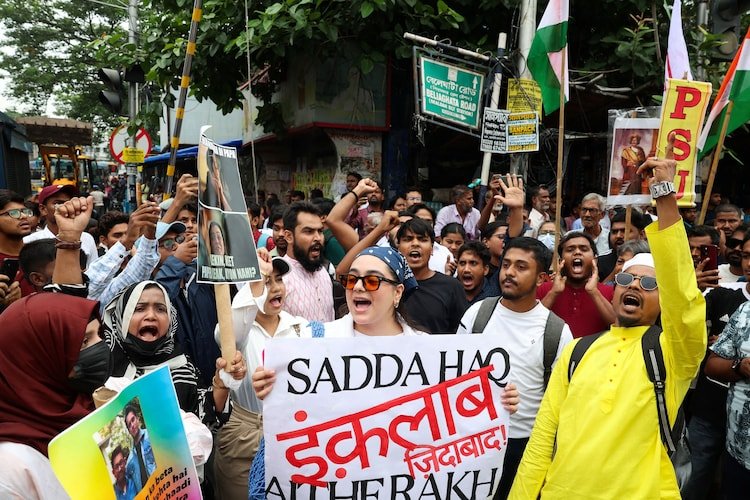
The nationwide agitation over alleged examination paper leaks has entered a crucial phase after representatives of the Cockroach Janta Party (CJP) and the Union government concluded another round of negotiations without reaching a final agreement on the movement’s central demand—the resignation of Union Education Minister Dharmendra Pradhan.
Although both sides described the discussions as constructive, protest leaders made it clear that the movement would continue unless what they describe as “political accountability” is established. Government representatives, meanwhile, indicated that additional time was required before responding to the demand, with another round of discussions scheduled.
The talks come at a time when the student-led movement has expanded beyond Delhi, drawing support across multiple cities and shifting the national conversation from alleged examination irregularities to broader questions surrounding education reforms, governance, transparency, and accountability.
What Happened During the Latest Government-CJP Meeting?
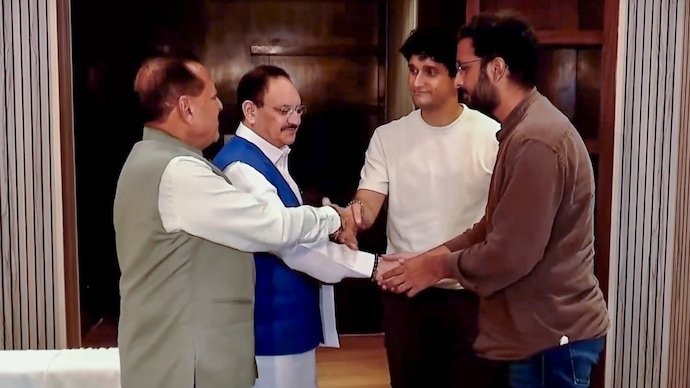
The second major round of discussions took place between senior CJP representatives and Union ministers, including Health Minister JP Nadda. According to statements made after the nearly two-hour meeting, the discussions focused on three principal demands raised by the protesters along with several proposals aimed at reforming India‘s examination system.
Following the meeting, CJP spokesperson Ashutosh Ranka said the government requested additional time before taking a final decision regarding the demand for Education Minister Dharmendra Pradhan’s resignation.
While describing the dialogue as positive, protest leaders reiterated that the resignation demand remains non-negotiable.
The Three Core Demands Raised by CJP
| Demand | Status After Latest Meeting |
|---|---|
| Resignation of Education Minister Dharmendra Pradhan | No decision announced; government sought additional time. |
| Compensation for families of affected students | Reportedly received in-principle consideration during discussions. |
| Withdrawal of legal cases against protesting students | Reportedly received in-principle consideration. |
According to protest representatives, discussions on examination reforms also formed part of the negotiations.
Why the Resignation Demand Has Become Central
Initially, public attention focused primarily on allegations surrounding examination paper leaks and irregularities. However, as protests gathered momentum, demonstrators increasingly argued that systemic reforms require political accountability in addition to administrative action.
For many participants, the demand for the Education Minister’s resignation has come to symbolize responsibility at the highest administrative level rather than serving solely as a political slogan.
This explains why protest organizers continue to emphasize the issue despite ongoing discussions on broader reforms.
Government’s Multi-Pronged Response
Even as negotiations continue, the government has announced several measures intended to strengthen the integrity of public examinations and address public concerns.
Among the major initiatives publicly announced are:
- Plans to establish fast-track courts for examination paper leak cases.
- Preparation of legislation proposing significantly stricter penalties for organized examination fraud.
- Administrative changes within the education system.
- Continued dialogue with protest representatives.
These measures suggest that the government is attempting to combine legislative reforms with political engagement while avoiding immediate decisions on the Opposition’s demand for ministerial accountability.
Proposed Changes to Anti-Paper Leak Laws
One of the most significant developments is the proposal to substantially strengthen legal penalties for examination-related offences.
According to information shared publicly, the proposed legislation could introduce much harsher punishment for individuals involved in organized paper leak networks.
| Aspect | Existing Framework | Proposed Changes |
|---|---|---|
| Maximum imprisonment | 3–5 years (under existing provisions) | Up to 10 years (proposed) |
| Maximum financial penalty | Up to Rs 10 lakh | Up to Rs 10 crore (proposed) |
| Objective | Punish offenders | Strengthen deterrence against organized examination fraud |
If enacted, the legislation would represent one of the strongest legal frameworks introduced to combat examination-related malpractice.
Why Examination Integrity Matters
Competitive examinations determine admission to universities, recruitment into government services, and access to professional careers for millions of candidates every year.
When allegations of paper leaks emerge, the consequences extend well beyond a single examination.
Potential impacts include:
- Loss of public confidence.
- Financial burden on students and families.
- Delays in admissions and recruitment.
- Psychological stress among candidates.
- Reduced trust in public institutions.
For this reason, reforms aimed at preventing examination fraud often become matters of national importance.
Student Protests Continue Beyond Delhi
Although negotiations are underway, demonstrations have continued in several parts of the country, reflecting sustained public interest in the issue.
Student groups, civil society organizations, and various political leaders have continued expressing support for demands relating to examination transparency and institutional accountability.
The expansion of protests beyond the national capital indicates that concerns surrounding examination reforms resonate with a much wider section of society.
Role of Sonam Wangchuk in the Movement
Activist Sonam Wangchuk played an important role in amplifying public attention toward the movement through his prolonged hunger strike.
After receiving assurances regarding certain humanitarian concerns, including reported commitments relating to protesting students, Wangchuk ended his fast following several weeks of demonstrations.
However, his decision has not automatically concluded the broader movement, as CJP leaders have clarified that the principal political demands remain unresolved.
Negotiation Versus Confrontation
The latest discussions suggest that both sides are attempting to keep communication channels open despite continuing disagreements.
Political negotiations often involve separating issues where consensus is possible from those requiring additional consultation.
In this case, compensation and legal relief appear to have moved closer to agreement, while the politically sensitive issue of ministerial responsibility continues to require further discussions.
Expert Insight: Why Governments Often Prioritize Structural Reforms
Public Policy experts frequently observe that governments responding to large-scale protests often prioritize institutional reforms before considering political demands involving resignations or leadership changes.
This approach allows administrations to demonstrate responsiveness through legislative and administrative action while maintaining political stability.
Protest movements, on the other hand, frequently view symbolic accountability as equally important because it signals responsibility for systemic failures.
The current negotiations illustrate this difference in priorities between both sides.
Comparison: Protesters’ Expectations vs Government Actions
| Issue | Protesters’ Position | Government Response |
|---|---|---|
| Ministerial accountability | Immediate resignation sought. | Decision deferred pending further discussions. |
| Student welfare | Support for affected families. | Reported willingness to consider compensation. |
| Legal cases against protesters | Withdrawal requested. | Reported in-principle consideration. |
| Exam reforms | Comprehensive structural changes. | Legislative proposals under consideration. |
What Happens Next?
Attention is now focused on the next scheduled round of discussions between government representatives and protest leaders.
Several important questions remain unanswered:
- Will the government make a decision regarding the resignation demand?
- When will proposed anti-paper leak legislation be introduced?
- How quickly will examination reforms be implemented?
- Will ongoing protests continue if negotiations remain inconclusive?
The answers to these questions will shape the future direction of both the movement and public policy.
Future Outlook
The current dispute represents more than a disagreement over one examination controversy. It has become a broader test of how democratic institutions respond to public demands for transparency, accountability, and Education Reform.
If negotiations produce meaningful institutional reforms while addressing student concerns, they could strengthen confidence in India’s examination system. However, if key issues remain unresolved, further public demonstrations and political debate are likely to continue.
The coming rounds of dialogue will therefore be important not only for resolving the immediate standoff but also for determining the future framework of examination governance and public trust.
Conclusion
The latest round of talks between the Cockroach Janta Party and the Union government has kept negotiations alive but has not resolved the movement’s most contentious demand—the resignation of Education Minister Dharmendra Pradhan. While reports suggest progress on compensation for affected families and legal relief for student protesters, the question of political accountability remains unsettled.
With proposed legislative reforms, continued nationwide protests, and further negotiations scheduled, the examination paper leak controversy has evolved into one of the country’s most significant debates on education governance. The outcome of the upcoming discussions could determine whether the current movement transitions into long-term policy reform or enters another phase of political confrontation.
For breaking news and live news updates, like us on Facebook or follow us on Twitter and Instagram. Read more on Latest India on thefoxdaily.com.






COMMENTS 0