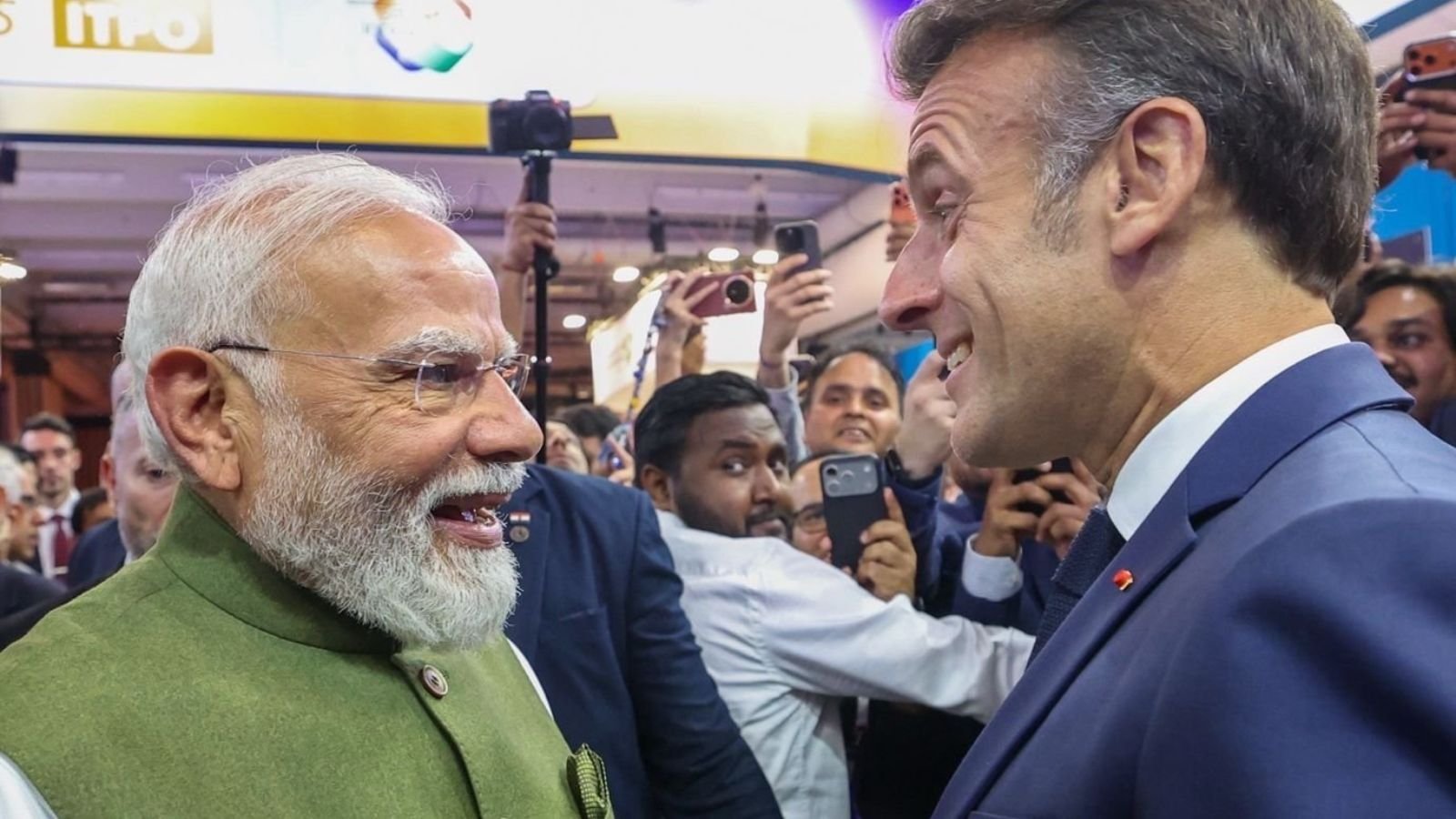
Diplomatic gifts are often more than ceremonial exchanges. They carry stories, values, and cultural symbolism that can communicate a nation’s identity more effectively than speeches or policy documents. During his recent visits to France and Slovakia, as well as interactions with global leaders at the G7 Summit, Prime Minister Narendra Modi presented a carefully curated collection of Indian handicrafts, textiles, traditional foods, Ayurvedic products, and artisanal creations.
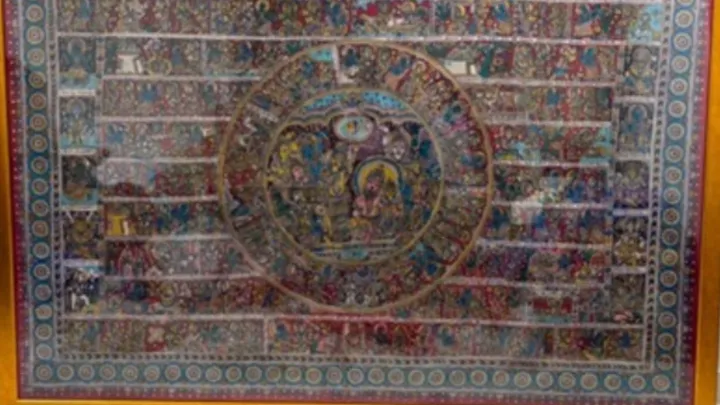
From a hand-painted Kalamkari depiction of the Mahabharata to a luxurious Kashmiri silk carpet, from Bihar’s beloved Thekua to Meghalaya’s globally recognized Lakadong Turmeric, the gifts reflected the extraordinary diversity of India’s cultural and artistic landscape. More importantly, they demonstrated how cultural Diplomacy has become an increasingly important pillar of India’s foreign policy strategy.
Each gift represented not just a product but a story of craftsmanship, heritage, regional identity, and centuries-old traditions that continue to thrive in modern India.
Why Diplomatic Gifts Matter in International Relations
Throughout History, leaders have exchanged gifts as symbols of respect, friendship, and mutual understanding. In modern diplomacy, these gifts often serve as cultural ambassadors, helping countries showcase their unique traditions and values.
A thoughtfully selected diplomatic gift can:
- Strengthen bilateral relationships.
- Promote cultural understanding.
- Support local artisans and traditional industries.
- Enhance a nation’s soft power.
- Create lasting symbolic connections between countries.
India’s recent gifting strategy reflects a broader effort to position the country as a civilization with deep cultural roots, vibrant artistic traditions, and globally relevant heritage industries.
Kalamkari Mahabharata Painting: A Storytelling Tradition Centuries in the Making
Among the most notable gifts was a handcrafted Kalamkari Mahabharata painting presented to French President Emmanuel Macron.
Kalamkari is one of India’s oldest painting traditions, originating primarily in Andhra Pradesh and Telangana. The word “Kalamkari” derives from the Persian terms “kalam” meaning pen and “kari” meaning craftsmanship.
What makes Kalamkari unique is its painstaking hand-drawn process. Artisans use natural dyes and fine pens to create elaborate narratives inspired by Indian mythology, epics, and religious traditions.
The Mahabharata-themed artwork gifted to Macron reportedly required nearly six months of meticulous work. Such paintings are not merely decorative pieces; they are visual storytelling masterpieces that preserve India’s ancient literary traditions through art.
The choice of a Mahabharata scene was particularly significant because it introduced one of humanity’s oldest epics to a global audience through traditional Indian craftsmanship.
The Cultural Significance of Kalamkari Art
Kalamkari occupies a unique position within India’s artistic ecosystem because it combines literature, spirituality, history, and visual arts.
Unlike mass-produced artwork, every Kalamkari creation is unique.
Its significance includes:
- Preservation of mythological narratives.
- Use of eco-friendly natural dyes.
- Support for traditional artisan communities.
- Representation of India’s storytelling heritage.
- Promotion of sustainable handcrafted art.
In an age dominated by digital content, Kalamkari remains a reminder of the enduring power of handcrafted storytelling.
Pochampally Silk Stole: Telangana’s Textile Masterpiece
Prime Minister Modi gifted a Pochampally silk stole to Macron’s spouse, highlighting another celebrated Indian craft tradition.
Pochampally textiles are renowned worldwide for their Ikat weaving technique, which involves dyeing threads before weaving them into intricate geometric and floral patterns.
The process requires exceptional precision because artisans must calculate patterns before the weaving even begins.
Pochampally weaving represents centuries of accumulated expertise passed down through generations of skilled craftspeople.
The textile’s popularity has expanded globally due to its combination of artistic beauty, durability, and craftsmanship.
Kashmiri Silk Carpet: Luxury, Heritage, and Artistic Excellence
One of the most prestigious gifts was the Kashmiri silk carpet presented to Slovak Prime Minister Robert Fico.
Kashmiri carpets are widely regarded among the finest handmade carpets in the world. Crafted from high-quality natural silk, these carpets often require months or even years to complete.
Each carpet is hand-knotted by skilled artisans who create elaborate designs inspired by:
- Persian artistic traditions.
- Kashmir’s natural landscapes.
- Floral motifs.
- Paisley patterns.
- Traditional medallion designs.
The craftsmanship involved can include hundreds of knots per square inch, resulting in extraordinary detail and durability.
By gifting a Kashmiri carpet, India highlighted one of its most globally respected luxury handicrafts.
India’s Carpet Industry: A Global Success Story
India remains one of the world’s largest exporters of handmade carpets.
The sector supports millions of artisans and contributes significantly to rural employment.
Handmade carpet production combines traditional knowledge with modern international demand, making it an important example of how heritage industries can remain economically relevant in the 21st century.
| Indian Craft | Region | Speciality |
|---|---|---|
| Kalamkari | Andhra Pradesh | Hand-painted storytelling art |
| Pochampally Silk | Telangana | Ikat weaving technique |
| Kashmiri Silk Carpet | Jammu & Kashmir | Hand-knotted luxury carpets |
| Dokra Art | Eastern & Central India | Ancient metal casting |
| Thewa Craft | Rajasthan | Gold work on colored glass |
Brass Dokra Antelope Set: Celebrating Tribal Heritage
Slovak President Peter Pellegrini received a Brass Dokra Antelope set, representing one of India’s oldest metal-casting traditions.
Dokra art is practiced by tribal communities across Chhattisgarh, Odisha, Jharkhand, and West Bengal. The craft uses the ancient lost-wax casting technique, which has been practiced in the Indian subcontinent for thousands of years.
What makes Dokra remarkable is that artisans continue to use methods similar to those employed by ancient civilizations.
The antelope figures symbolized grace, resilience, and harmony with nature while also creating a cultural connection with Slovakia’s own wildlife heritage.
This thoughtful symbolism illustrates how diplomatic gifts can build bridges between cultures through shared values.
Thewa Cufflinks: Rajasthan’s Royal Art Form
Another distinctive gift was a pair of handcrafted Thewa motif cufflinks.
Thewa is a specialized jewelry craft originating from Rajasthan’s Pratapgarh region. The technique involves fusing intricate gold artwork onto colored glass surfaces.
Historically associated with royal patronage, Thewa remains one of India’s most unique jewelry traditions.
The process requires extraordinary precision and craftsmanship because artisans create delicate gold patterns entirely by hand.
The gift demonstrated India’s ability to blend luxury, tradition, and artistic excellence in a single handcrafted object.
Charaka Samhita and Sushruta Samhita: Sharing India’s Ancient Knowledge Systems
Among the most intellectually significant gifts were copies of the Charaka Samhita and Sushruta Samhita.
These ancient texts form the foundation of Ayurveda, one of the world’s oldest systems of medicine.
The Charaka Samhita focuses on internal medicine, preventive Healthcare, and holistic wellness principles.
The Sushruta Samhita is particularly famous for its pioneering descriptions of surgical procedures and medical techniques.
These works highlight India’s contributions to the history of science, medicine, and healthcare.
By gifting these texts, India emphasized not only its artistic heritage but also its intellectual and scientific legacy.
Thekua: Bihar’s Cultural Ambassador
One of the most culturally meaningful gifts was Thekua, a traditional sweet snack from Bihar.
Often associated with festivals and family celebrations, Thekua occupies a special place in eastern Indian culinary traditions.
Prepared using wheat flour, jaggery or sugar, and ghee, it reflects the simplicity and authenticity of regional Indian cuisine.
Unlike luxury handicrafts, Thekua represents everyday cultural heritage—the traditions that families preserve through generations.
Its inclusion among diplomatic gifts demonstrates that cultural identity is shaped not only by grand monuments and royal arts but also by food and community traditions.
Ayurveda Goes Global: Nagauri Ashwagandha
At the G7 Summit, Prime Minister Modi gifted Nagauri Ashwagandha from Rajasthan.
Ashwagandha has become one of the most internationally recognized Ayurvedic herbs due to growing global interest in wellness and natural health solutions.
Traditionally classified as a Rasayana herb in Ayurveda, Ashwagandha is associated with vitality, resilience, and overall well-being.
The selection reflected India’s increasing role in the global wellness industry, which has experienced significant growth over the past decade.
The gift also highlighted how traditional knowledge systems continue to find relevance in contemporary healthcare discussions.
Lakadong Turmeric: Meghalaya’s Golden Export
Among the agricultural products gifted was Lakadong Turmeric from Meghalaya.
Unlike ordinary turmeric varieties, Lakadong Turmeric is renowned for its exceptionally high curcumin content, the compound responsible for many of turmeric’s health-related properties.
The product has gained international recognition and represents the growing importance of geographically distinctive agricultural products in global trade.
Its inclusion showcased India’s rich biodiversity and agricultural Innovation.
Ramban Honey and Banarasi Silk: Regional Excellence on the Global Stage
The gifting of Ramban Honey from Jammu and Kashmir and Banarasi silk stoles further reinforced the theme of regional diversity.
Ramban Honey represents the unique ecological richness of the Chenab Valley, while Banarasi silk remains one of India’s most celebrated textile traditions.
Together, these products highlighted how India’s cultural and economic strength emerges from the distinct contributions of its states and regions.
A Unique Insight: Diplomatic Gifts as Economic Diplomacy
Beyond cultural symbolism, these gifts serve an important economic purpose.
Every time a world leader receives a handcrafted Indian product, it creates global visibility for the artisans, communities, and industries behind it.
Such visibility can:
- Boost exports.
- Increase tourism interest.
- Promote geographical indication products.
- Support rural employment.
- Strengthen India’s global brand image.
In this sense, diplomatic gifting has evolved into a subtle but effective form of economic diplomacy.
Why India’s Soft Power Strategy Is Expanding
India’s global influence increasingly extends beyond economic growth and geopolitical importance.
The country’s soft power is built upon centuries of cultural heritage, traditional knowledge systems, artistic excellence, cuisine, wellness practices, and craftsmanship.
The gifts presented during these diplomatic engagements reflected a carefully designed strategy to showcase India’s diversity rather than focusing on a single region or tradition.
From Kashmir in the north to Telangana in the south, from Meghalaya in the northeast to Rajasthan in the west and Bihar in the east, the collection effectively represented India’s cultural mosaic.
Conclusion
Prime Minister Narendra Modi’s diplomatic gifts during his recent international engagements were far more than ceremonial exchanges. They served as a curated exhibition of India’s artistic brilliance, intellectual heritage, agricultural diversity, and traditional craftsmanship.
Whether it was the storytelling elegance of Kalamkari art, the luxury of Kashmiri silk carpets, the scientific legacy of Ayurveda, or the cultural warmth of Bihar’s Thekua, each gift carried a deeper message about India’s identity and values.
As cultural diplomacy becomes increasingly important in International Relations, these carefully selected gifts demonstrate how heritage can become a powerful tool of global engagement. By placing India’s artisans, traditions, and regional specialties on the world stage, the country is not only preserving its heritage but also transforming it into a source of international influence, economic opportunity, and national pride.
For breaking news and live news updates, like us on Facebook or follow us on Twitter and Instagram. Read more on Latest India on thefoxdaily.com.




COMMENTS 0