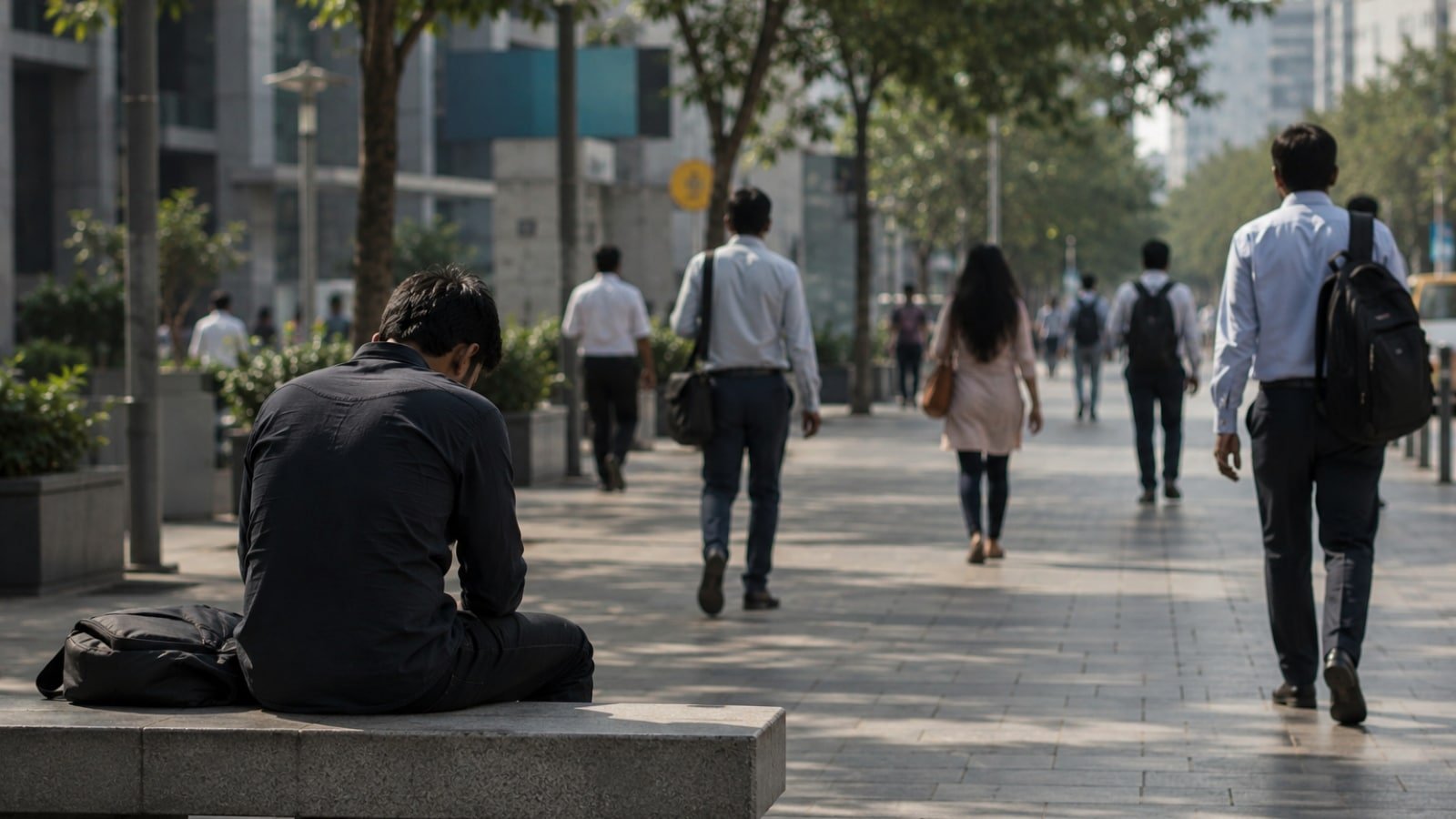
Loneliness is often imagined as a problem affecting people who live alone, have few friends, or lack social interaction. However, a new global study suggests the reality is far more complex. In a world connected through smartphones, Social Media platforms, instant messaging, and video calls, millions of people continue to struggle with feelings of isolation and emotional emptiness.
The 2026 Global Loneliness Study published by digital Entertainment platform JB.com has identified the countries where loneliness is most prevalent. The findings reveal an unexpected trend: some of the world’s most socially connected societies are experiencing significant levels of emotional disconnection.
India, a country known for its family-oriented culture, multi-generational households, and strong community traditions, ranked as the second loneliest country in the world. The result challenges long-held assumptions about what loneliness looks like and highlights a growing mental and emotional health challenge affecting modern societies.
What Is the Global Loneliness Study and How Was It Conducted?
The study examined 36 countries using a comprehensive loneliness index that combined multiple indicators rather than relying on a single survey question.
Researchers evaluated factors including:
- Percentage of people who report feeling lonely.
- Levels of social isolation.
- Frequency of sadness.
- Self-reported happiness levels.
- Depression-related indicators.
- Household size.
- Number of people living alone.
- Overall social connectedness.
The resulting loneliness score reflects both objective and subjective experiences, helping researchers understand not only whether people are physically alone but whether they feel emotionally connected to others.
Top 10 Loneliest Countries in the World 2026
| Rank | Country | Loneliness Score |
|---|---|---|
| 1 | Turkey | 100 |
| 2 | India | 89 |
| 3 | Brazil | 86 |
| 4 | Saudi Arabia | 85 |
| 5 | South Africa | 83 |
| 6 | United Arab Emirates | 82 |
| 7 | United Kingdom | 81 |
| 8 | United States | 80 |
| 9 | Australia | 78 |
| 10 | Indonesia | 77 |
Why India’s Ranking Is So Surprising
India’s position near the top of the list may come as a shock to many observers. Traditionally, Indian society has been characterized by strong family ties, vibrant communities, neighborhood interactions, and extensive social networks.
Unlike many developed nations experiencing rising rates of single-person households, India’s social structure remains largely family-centric. The study found that only around 3.7 percent of Indian households consist of a single individual, while the average household size exceeds four people.
Yet despite living with family members and maintaining regular social contact, 58 percent of respondents reported experiencing loneliness, while 34 percent said they often feel isolated.
This suggests that loneliness is no longer simply about physical separation. Increasingly, it is about emotional disconnection.
The Hidden Reality: Being Surrounded by People Doesn’t Guarantee Connection
One of the most important insights from the study is the distinction between social presence and emotional connection.
Many people may spend their days surrounded by family, colleagues, classmates, or friends while still feeling misunderstood, unsupported, or emotionally distant.
Modern lifestyles have introduced several factors that contribute to this phenomenon:
- Growing work pressures and long working hours.
- Increased digital communication replacing face-to-face interaction.
- Urban migration separating individuals from traditional support systems.
- Rising academic and career expectations.
- Mental Health challenges and social stigma.
- Social media comparison culture.
In India’s rapidly urbanising Environment, many people are experiencing social change faster than emotional adaptation can occur.
India’s High Sadness Levels Raise Additional Concerns
Among the top-ranked countries, India recorded one of the highest levels of self-reported sadness.
The study found that 37 percent of Indians frequently experience sadness, a figure that surpassed several other nations near the top of the ranking.
This finding is significant because loneliness and sadness often reinforce one another. People who feel disconnected may experience emotional distress, while those struggling emotionally may find it harder to maintain meaningful relationships.
Although loneliness is not a medical diagnosis, researchers increasingly recognize it as an important factor influencing overall well-being and mental health.
Turkey: The World’s Loneliest Country
Turkey topped the global ranking with a loneliness score of 100.
The study found that:
- 61 percent of people reported loneliness.
- 45 percent experienced feelings of isolation.
- 31 percent frequently felt sadness.
Researchers noted that while single-person households are more common in Turkey than in India, emotional disconnection remains a major driver of loneliness.
The findings suggest that both traditional and modern societies are facing similar challenges when it comes to emotional well-being.
What Brazil, South Africa and Saudi Arabia Reveal About Modern Loneliness
The countries following India in the ranking reveal that loneliness takes different forms across cultures.
Brazil: Happy but Lonely
Brazil ranked third despite relatively high levels of life satisfaction. This highlights an important reality: happiness and loneliness are not mutually exclusive.
A person can feel generally positive about life while still lacking deep emotional connections.
South Africa: Connected Yet Lonely
South Africa reported one of the highest loneliness rates but comparatively lower levels of isolation.
This indicates that social activity alone may not be sufficient to prevent loneliness if emotional needs remain unmet.
Saudi Arabia: Rapid Social Transformation
Saudi Arabia’s appearance among the top-ranked countries may reflect the broader social and economic transformations occurring throughout the region.
Periods of rapid change can reshape traditional social structures and create new challenges for emotional well-being.
The Global Loneliness Epidemic Is Becoming a Public Health Issue
Health experts increasingly view loneliness as more than a social problem. Around the world, governments and researchers are examining its potential impact on physical and mental health.
Studies from various international institutions have linked chronic loneliness to:
- Increased stress levels.
- Higher risk of depression.
- Sleep disturbances.
- Reduced life satisfaction.
- Poorer mental health outcomes.
- Lower workplace productivity.
Several countries have even established dedicated policies and programs aimed at reducing social isolation among vulnerable populations.
How Technology Is Changing Human Relationships
One of the paradoxes of modern life is that people have never been more connected technologically yet often feel more disconnected emotionally.
Social media platforms allow users to interact with hundreds or even thousands of people daily. However, digital communication often lacks the depth, empathy, and emotional nuance found in real-world conversations.
Researchers increasingly distinguish between:
- Quantity of connections.
- Quality of relationships.
A person may have thousands of followers online yet struggle to identify someone they can trust during a difficult moment.
This gap between connectivity and connection appears to be widening globally.
Why Younger Generations May Be Especially Vulnerable
Several recent studies around the world have shown that loneliness is not limited to older adults.
In fact, younger generations often report surprisingly high levels of loneliness despite being highly active online.
Experts attribute this trend to factors such as:
- Digital-first social interactions.
- Academic pressure.
- Career uncertainty.
- Economic stress.
- Fear of missing out (FOMO).
- Reduced face-to-face community engagement.
For countries like India, where millions of young people are navigating rapid social and economic change, these pressures may contribute significantly to feelings of isolation.
What Can Individuals Do to Reduce Loneliness?
While loneliness is influenced by broader social trends, individuals can take practical steps to strengthen emotional well-being.
- Prioritise meaningful conversations over superficial interactions.
- Spend more time with family and close friends.
- Participate in community activities.
- Join hobby groups or volunteer programs.
- Reduce excessive dependence on social media validation.
- Seek professional support when loneliness becomes overwhelming.
Experts emphasize that building meaningful relationships often requires intentional effort and emotional vulnerability.
Countries With the Lowest Levels of Loneliness
At the opposite end of the ranking, countries such as Uzbekistan and the Netherlands reported significantly lower loneliness scores.
These nations generally demonstrated stronger happiness indicators, lower feelings of isolation, and healthier perceptions of social connectedness.
Canada and Thailand also performed relatively well, suggesting that cultural factors, social trust, and community engagement may play important roles in reducing loneliness.
The Bigger Insight: Loneliness Is No Longer About Living Alone
The most valuable lesson from the 2026 Global Loneliness Study is that loneliness cannot be measured solely by household size, marital status, or social activity.
India’s ranking proves that even people surrounded by family members can experience profound emotional isolation.
The challenge facing modern societies is therefore not simply increasing interaction but improving the quality of human connection.
As technology continues reshaping how people communicate, the ability to build meaningful relationships may become one of the most important skills of the 21st century.
Conclusion: Why India’s Loneliness Ranking Should Be a Wake-Up Call
India’s position as the world’s second-loneliest country is both surprising and revealing. It challenges the assumption that strong family structures automatically protect against emotional isolation.
The findings suggest that loneliness today is increasingly psychological rather than physical. People may share homes, workplaces, and digital networks while still feeling disconnected from those around them.
Looking ahead, addressing loneliness will require more than expanding social networks. It will require fostering deeper conversations, stronger communities, better mental health awareness, and more meaningful human connections.
As societies become more technologically advanced and fast-paced, the countries that succeed may not simply be the most connected but the most emotionally connected.
For breaking news and live news updates, like us on Facebook or follow us on Twitter and Instagram. Read more on Latest Lifestyle on thefoxdaily.com.






COMMENTS 0