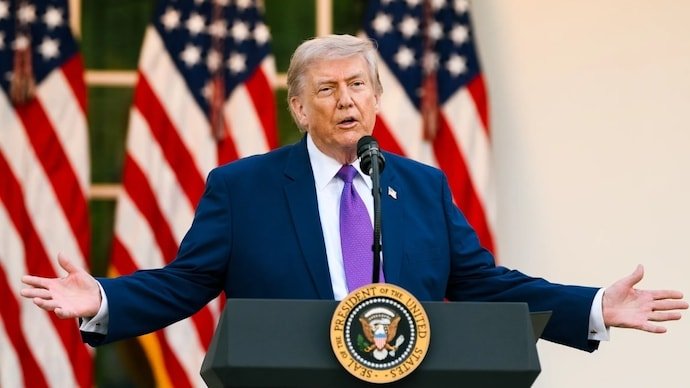
The opening of high-level negotiations in the Swiss mountain resort of Burgenstock marks a potentially historic moment in global Diplomacy. Representatives from the United States, Iran, Pakistan and Qatar have gathered under a newly signed Memorandum of Understanding (MoU) aimed at reducing tensions across West Asia and creating a framework for long-term regional stability.
The meeting, often referred to as the Lake Lucerne Summit, comes after months of military confrontation, diplomatic uncertainty, economic disruption and fears of a wider regional conflict. While the immediate goal is to implement the provisions of the recently signed peace memorandum, the broader objective is far more ambitious: creating a sustainable path toward regional security, economic recovery and political dialogue.
The summit has attracted global attention not only because of the stakes involved but also because it brings together rivals who have historically struggled to maintain meaningful diplomatic engagement. The participation of mediators such as Pakistan and Qatar reflects a growing trend in international diplomacy where regional powers play a critical role in conflict resolution.
Why the Burgenstock Talks Matter
The significance of the Burgenstock negotiations extends well beyond the immediate participants. The Middle East remains one of the world’s most strategically important regions, influencing global energy markets, international trade routes, security partnerships and geopolitical alliances.
Any meaningful reduction in tensions between Washington and Tehran could have ripple effects across multiple regions. The outcome could influence oil prices, shipping security, regional military deployments and the broader balance of power across West Asia.
The negotiations are taking place under a 60-day framework established by the peace memorandum signed by US President Donald Trump and Iranian President Masoud Pezeshkian. Pakistan’s Prime Minister Shehbaz Sharif signed the agreement as a guarantor, while Qatar has assumed an active mediating role.
This arrangement demonstrates how modern diplomacy increasingly depends on multilateral engagement rather than bilateral negotiations alone.
The Core Issues on the Negotiating Table
Although public statements have emphasized peace and cooperation, negotiators face several highly complex issues.
- Iran’s nuclear programme and future monitoring mechanisms.
- International Sanctions affecting the Iranian economy.
- Regional military tensions involving Iran-backed groups.
- The future security of the Strait of Hormuz.
- The conflict involving Israel and Hezbollah in Lebanon.
- Economic cooperation and reconstruction initiatives.
- Mechanisms for preventing future military escalation.
Each issue carries enormous political sensitivity. Progress in one area may depend on compromises in another, making the negotiations particularly challenging.
Shehbaz Sharif Positions Pakistan as a Peace Facilitator
One of the most notable aspects of the summit is Pakistan’s visible diplomatic role.
Prime Minister Shehbaz Sharif used the opening session to praise Iran’s leadership for what he described as its commitment to de-escalation and constructive engagement. He also expressed optimism regarding American efforts to pursue a peaceful resolution.
Sharif’s remarks highlight Pakistan’s evolving diplomatic strategy. Islamabad has increasingly sought to present itself as a bridge between competing regional interests. By acting as a guarantor of the memorandum and participating directly in the negotiations, Pakistan aims to strengthen its international diplomatic profile.
The country’s geographic location and relationships with both Western powers and regional actors provide it with unique opportunities to serve as an intermediary during periods of tension.
For Pakistan, successful mediation could enhance its international standing and create opportunities for greater political and economic engagement with major global powers.
Donald Trump’s Push for a New Regional Framework
The Burgenstock talks also reflect President Donald Trump’s broader vision of reshaping relationships across the Middle East.
Throughout recent months, Trump has repeatedly argued that diplomacy backed by strong leverage can produce more sustainable outcomes than prolonged military confrontation. His administration has emphasized the possibility of transforming relations with Iran if meaningful agreements can be reached.
However, the President has simultaneously maintained a tough public posture. As negotiations opened, he issued warnings regarding Iran’s influence over regional groups and signaled that the United States remained prepared to respond forcefully to actions perceived as destabilizing.
This combination of pressure and negotiation represents a familiar diplomatic strategy: creating incentives for compromise while maintaining deterrence.
Whether this approach ultimately succeeds remains one of the key questions surrounding the summit.
JD Vance’s Message: Peace Requires Compromise
US Vice President JD Vance played a prominent role during the opening stages of the talks, describing the meeting as historic and emphasizing the importance of practical problem-solving.
Vance framed the negotiations as the beginning of a technical process rather than a single decisive event. According to his remarks, the objective is to establish mechanisms that allow both sides to identify priorities, address disagreements and gradually build trust.
This perspective reflects an important reality of international diplomacy. Major disputes are rarely resolved through a single meeting or agreement. Instead, progress typically occurs through sustained negotiations, incremental confidence-building measures and continuous engagement.
By emphasizing technical discussions and institutional support, Vance sought to signal that both governments are committed to a serious and structured process.
Iran’s Calculated Diplomatic Approach
Iran’s participation in the summit represents a significant diplomatic development.
For years, Tehran has argued that sanctions, external pressure and regional security concerns have undermined opportunities for meaningful engagement. The current negotiations offer Iran a chance to secure economic relief while maintaining its strategic interests.
Iranian officials have consistently stressed the importance of mutual respect, sovereignty and balanced commitments. Their participation suggests that Tehran sees potential benefits in pursuing a negotiated path rather than continued confrontation.
However, Iranian leaders also face domestic political pressures. Any agreement must be presented as protecting national interests and preserving the country’s strategic independence.
This balancing act makes the negotiations particularly delicate for Iranian policymakers.
Qatar’s Growing Influence as a Diplomatic Mediator
Qatar has steadily emerged as one of the world’s most active diplomatic intermediaries.
Over the past decade, Doha has facilitated discussions involving regional conflicts, hostage negotiations, humanitarian initiatives and political settlements. Its participation in the Burgenstock talks reinforces its reputation as a trusted communication channel between parties that may otherwise struggle to engage directly.
Qatari Prime Minister Sheikh Mohammed bin Abdulrahman bin Jassim Al Thani emphasized that the summit carries implications not only for regional security but also for global economic stability.
His remarks underscore a key reality: developments in the Middle East often have worldwide consequences.
The Lebanon Factor Remains a Major Challenge
Despite the positive diplomatic atmosphere, ongoing tensions in Lebanon continue to cast a shadow over the negotiations.
Clashes involving Hezbollah and Israeli forces remain one of the most immediate threats to regional stability. Any escalation could undermine progress achieved at the negotiating table.
The Lebanon issue demonstrates the interconnected nature of Middle Eastern conflicts. Developments in one country frequently influence diplomatic calculations elsewhere.
For negotiators, establishing mechanisms that reduce cross-border hostilities may prove essential for sustaining momentum toward broader agreements.
Many analysts believe that a durable regional settlement will be impossible without addressing the security concerns of all parties involved in the Lebanese theatre.
The Strategic Importance of the Strait of Hormuz
The Strait of Hormuz remains one of the world’s most critical maritime chokepoints.
A substantial share of global oil shipments passes through this narrow waterway, making its security a matter of international concern.
Even the possibility of disruptions can influence energy prices, shipping costs and investor confidence. Consequently, discussions regarding maritime security occupy a central position within the broader negotiations.
Stability in Hormuz would benefit not only regional economies but also consumers and industries around the world.
Ensuring uninterrupted navigation therefore represents a shared interest among many countries, regardless of their broader political differences.
Economic Stakes Are Enormous
Beyond security concerns, the negotiations carry major economic implications.
Years of sanctions, uncertainty and geopolitical tensions have imposed significant costs on regional economies. Businesses, investors and governments are closely monitoring developments in Switzerland.
A successful agreement could potentially unlock:
- Increased trade and investment flows.
- Improved energy market stability.
- Infrastructure development projects.
- Regional economic integration initiatives.
- Greater investor confidence.
- Enhanced cooperation in technology and industry.
For Iran in particular, progress on sanctions could provide substantial economic opportunities. For the United States and its allies, greater stability could help reduce risks associated with regional conflicts.
Challenges That Could Derail the Process
While optimism surrounds the summit, numerous obstacles remain.
Political leaders must manage domestic expectations while negotiating with international counterparts. Hardline factions on multiple sides may oppose concessions. Regional actors not directly represented at the talks may also influence outcomes through their own actions.
Additional challenges include:
- Deep historical mistrust between participants.
- Disagreements over verification mechanisms.
- Competing regional security priorities.
- Domestic political pressures.
- Potential military incidents during negotiations.
- Economic concerns tied to sanctions and trade.
Diplomatic History shows that even promising negotiations can collapse if unexpected crises emerge.
A New Era of Regional Diplomacy?
Despite the risks, the Burgenstock talks may represent the beginning of a broader transformation in regional diplomacy.
The willingness of multiple actors to engage directly suggests a growing recognition that prolonged instability benefits nobody. Economic pressures, security concerns and changing geopolitical realities have created incentives for dialogue that may not have existed previously.
The summit also reflects a broader shift toward cooperative frameworks involving multiple mediators and stakeholders. Rather than relying exclusively on bilateral diplomacy, countries are increasingly working through networks of regional partnerships and international institutions.
This approach may offer greater flexibility and resilience when addressing complex disputes.
Future Outlook
The immediate objective of the Burgenstock negotiations is to launch technical discussions capable of producing practical agreements within the memorandum’s 60-day framework.
Success will likely depend on whether negotiators can maintain momentum while managing external pressures and regional tensions.
Even if a comprehensive settlement remains distant, meaningful progress on issues such as sanctions relief, maritime security, nuclear oversight and conflict de-escalation could represent a significant achievement.
For global markets, regional governments and international observers, the coming weeks will provide important clues about whether the current diplomatic opening can evolve into a lasting peace process.
Conclusion
The Burgenstock summit stands at the intersection of diplomacy, security and economic strategy. Bringing together the United States, Iran, Pakistan and Qatar under a structured peace framework represents a rare opportunity to address some of the most complex challenges facing West Asia.
While significant differences remain, the willingness of all sides to engage in direct dialogue offers a measure of hope. The negotiations are not merely about resolving immediate disputes; they are about determining whether a new regional order based on cooperation, stability and economic development can emerge after years of confrontation.
The road ahead remains uncertain, but the talks in Switzerland have already demonstrated one important fact: diplomacy remains the most powerful tool available for transforming conflict into opportunity. The world will now watch closely to see whether that opportunity can be seized.
For breaking news and live news updates, like us on Facebook or follow us on Twitter and Instagram. Read more on Latest World on thefoxdaily.com.






COMMENTS 0