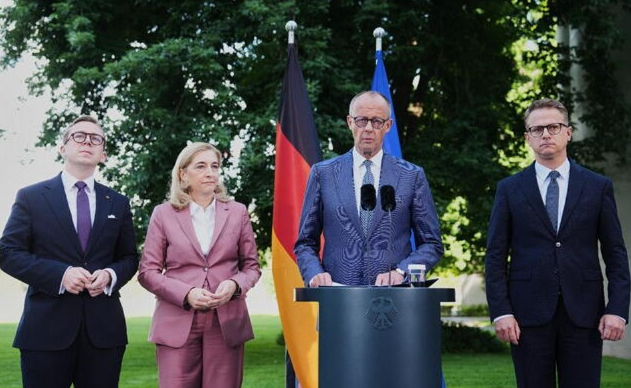
Germany is entering one of its most politically significant periods in recent years. With regional elections approaching in September, Chancellor Friedrich Merz has announced a major reshuffle of senior government positions in an effort to restore confidence in his administration and demonstrate that his coalition remains capable of delivering reforms.
The leadership changes come against the backdrop of economic uncertainty, persistent voter dissatisfaction, and the continued rise of the Alternative for Germany (AfD), a party that could make history by leading a state government for the first time. While the reshuffle follows the resignation of a senior political ally, it also reflects a broader attempt to reset the government’s image before voters head to the polls.
For Germany, Europe’s largest Economy and one of the European Union‘s most influential members, the outcome of these elections could have consequences extending far beyond domestic politics.
Why Friedrich Merz Reshuffled His Government
Cabinet reshuffles are often used by political leaders to improve government performance, address controversies, or signal a fresh policy direction. In Merz’s case, the changes appear to serve all three purposes.
The immediate trigger was the resignation of senior Union parliamentary leader Jens Spahn, whose departure created an opportunity for wider changes within the coalition.
However, the broader objective is political. Opinion polls have indicated declining public confidence in the coalition government, prompting Merz to reposition experienced allies in critical leadership roles before voters cast ballots in several key regional elections.
Key Leadership Changes Announced
| Position | Outgoing | Incoming |
|---|---|---|
| Union Parliamentary Group Leader | Jens Spahn | Thorsten Frei |
| Head of the Chancellery (Chief of Staff) | Thorsten Frei | Nina Warken |
| Health Minister | Nina Warken | Carsten Linnemann |
The appointments place several of Merz’s closest political allies in positions that are central to implementing the government’s legislative agenda.
Understanding the Political Context
Merz took office promising to revive Germany’s economy, reduce bureaucracy, modernize infrastructure, and restore confidence in government after years of sluggish growth and policy disagreements.
While the coalition has introduced several reform proposals, many voters remain unconvinced that meaningful improvements are being delivered quickly enough.
Among the issues dominating public debate are:
- Economic growth.
- Inflation and cost of living.
- Pension sustainability.
- Healthcare financing.
- Migration policy.
- Infrastructure modernization.
- Energy transition.
These issues are expected to shape voter decisions in the coming regional elections.
Why the September Regional Elections Matter
The upcoming state elections carry significance beyond regional governance.
Political observers believe they will serve as an important indicator of public opinion toward the federal government less than two years into Merz’s leadership.
One state attracting particular attention is Saxony-Anhalt, where the AfD hopes to secure enough support to lead a state government for the first time.
Such an outcome would represent a historic milestone in post-war German politics.
Who Is the AfD and Why Is Its Rise Significant?
The Alternative for Germany (AfD) has expanded its electoral support over the past decade by campaigning on issues including Immigration, national identity, energy policy, and criticism of established political parties.
Although other mainstream parties have generally ruled out governing coalitions with the AfD, the party has continued gaining support in several regions, particularly eastern Germany.
Its growing popularity reflects broader voter frustration with traditional political parties rather than a single policy issue.
Economic Challenges Facing Germany
Germany remains Europe’s largest economy, but recent years have presented significant economic headwinds.
Among the key challenges are:
- Weak industrial production.
- High energy costs.
- Global supply chain disruptions.
- Labour shortages.
- Demographic ageing.
- Slower export growth.
These pressures have increased public expectations for structural reforms while making implementation politically difficult.
Government’s Reform Agenda
The Merz administration has outlined several major reform priorities designed to improve Germany’s long-term competitiveness.
These include:
- Gradual pension reforms.
- Income tax relief for middle- and lower-income households.
- Reducing bureaucratic regulations.
- Modernizing transport infrastructure.
- Strengthening healthcare financing.
- Supporting economic Investment.
The government argues these measures are necessary to address long-term demographic and economic pressures.
Why Nina Warken’s Appointment Matters
One of the most notable changes involves Nina Warken, WHO becomes the first woman to lead the Federal Chancellery.
The position is one of the most influential within the German government because it coordinates policy across ministries and supports the Chancellor’s office.
Merz praised Warken’s ability to negotiate complex legislation and manage difficult reforms, qualities viewed as particularly valuable during a politically challenging period.
Carsten Linnemann Takes Over Health Ministry
Another significant appointment is Carsten Linnemann, who assumes responsibility for the Health Ministry despite having limited executive government experience.
His appointment signals Merz’s intention to maintain momentum behind healthcare reforms aimed at addressing rising costs and improving the sustainability of Germany’s Public health insurance system.
Comparison: Government Priorities vs Voter Concerns
| Government Priorities | Key Public Concerns |
|---|---|
| Economic reforms | Cost of living and inflation |
| Pension modernization | Retirement security |
| Healthcare reform | Access and affordability |
| Infrastructure investment | Transport reliability |
| Bureaucracy reduction | Government efficiency |
What the Reshuffle Signals to Voters
Political reshuffles are often as much about public perception as administrative efficiency.
By placing trusted allies in senior positions, Merz appears to be sending several messages simultaneously:
- The government remains united.
- Reforms will continue without interruption.
- Leadership is responding to public dissatisfaction.
- The coalition intends to accelerate decision-making.
Whether voters view these changes as meaningful or merely symbolic will become clearer in the coming months.
Expert Insight: Why Regional Elections Matter Nationally
Although Germany’s regional elections determine state governments rather than the federal administration, they frequently influence national politics.
Strong performances by opposition parties can reshape political narratives, affect coalition dynamics, and influence future federal policy priorities. Conversely, disappointing results often prompt governments to reassess strategies and accelerate reforms.
For Chancellor Merz, September’s elections represent not only a test of regional popularity but also an important measure of public confidence in his broader leadership.
Potential Implications for Europe
Germany plays a central role in the European Union’s economic and political decision-making.
Any significant political shifts within Germany could affect discussions on:
- European economic policy.
- Defence cooperation.
- Migration management.
- Climate initiatives.
- Support for Ukraine.
- EU fiscal policy.
As a result, developments in German domestic politics are closely watched across Europe.
What Happens Next?
Attention now turns to several key developments before September’s regional elections:
- Additional cabinet appointments expected from the Chancellor.
- Implementation of pending economic reforms.
- Campaigning by governing and opposition parties.
- Opinion poll trends.
- Regional election results and their political impact.
The effectiveness of the reshuffle will likely be judged by whether it improves government performance and public confidence in the weeks ahead.
Future Outlook
The Cabinet Reshuffle provides Chancellor Friedrich Merz with an opportunity to reset his government’s political narrative, but lasting success will depend on delivering tangible policy results rather than personnel changes alone. Economic recovery, Pension Reform, healthcare modernization, and infrastructure investment are likely to remain central themes throughout the remainder of the government’s term.
At the same time, the continued rise of the AfD suggests that public dissatisfaction remains a significant political force. The September regional elections could therefore become one of the most consequential tests of Merz’s leadership since taking office.
Conclusion
Friedrich Merz’s decision to reorganize his senior leadership team reflects more than a routine cabinet reshuffle it is a strategic attempt to strengthen government effectiveness ahead of a politically critical election season. By appointing experienced allies to influential positions, the Chancellor hopes to restore confidence in his coalition and maintain momentum behind an ambitious reform agenda.
Whether these leadership changes succeed in reversing declining public support will depend on the government’s ability to deliver visible progress on the issues that matter most to German voters. As regional elections approach, Germany’s political landscape appears set for an increasingly competitive and closely watched contest with implications for both national governance and the future direction of Europe.
For breaking news and live news updates, like us on Facebook or follow us on Twitter and Instagram. Read more on Latest World on thefoxdaily.com.






COMMENTS 0