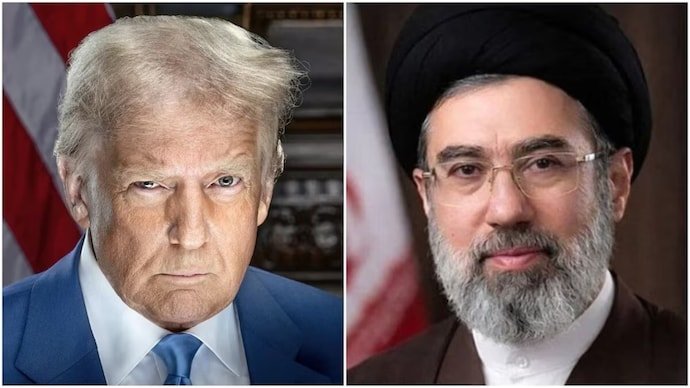
The release of a reported 14-point draft memorandum of understanding (MoU) between the United States and Iran has sparked intense debate among diplomats, economists, security analysts, and global markets. If finalized, the agreement could end a major military confrontation, restore maritime traffic through the Strait of Hormuz, unlock hundreds of billions of dollars in economic activity, and reopen negotiations on Iran’s nuclear program.
While the draft remains unofficial and subject to further negotiations, it offers the clearest glimpse yet into how Washington and Tehran may attempt to transition from conflict to Diplomacy. More importantly, the proposed framework highlights the enormous economic, political, and strategic stakes involved for not only the two countries but also the wider world.
The proposed agreement arrives at a time when Global energy markets remain sensitive to geopolitical shocks, international trade routes face growing disruptions, and governments are increasingly concerned about regional instability spilling into the Global Economy.
What Is the US-Iran Draft Agreement?
The proposed memorandum serves as a preliminary framework rather than a final peace treaty. It establishes broad principles that both sides would follow while negotiating a legally binding comprehensive agreement.
The draft contains 14 provisions covering military de-escalation, sanctions relief, maritime security, economic reconstruction, nuclear commitments, asset releases, and future verification mechanisms.
Most importantly, the agreement would create a 60-day negotiation period during which both governments would attempt to transform the framework into a permanent settlement.
The significance of the document lies not only in what it proposes but also in what it represents: direct engagement between two countries that have spent decades locked in confrontation.
Why This Agreement Matters More Than Previous Negotiations
US-Iran diplomacy has historically focused on narrow issues, particularly Iran’s nuclear program. This draft goes much further.
Instead of addressing a single dispute, it attempts to tackle multiple interconnected challenges simultaneously:
- Military confrontation
- Regional security tensions
- Maritime trade disruptions
- Economic sanctions
- Nuclear concerns
- Investment and reconstruction
- International verification mechanisms
This broader approach reflects a growing recognition that lasting stability cannot be achieved through military measures alone.
The proposed framework seeks to combine security guarantees with economic incentives, creating mutual benefits that could encourage long-term compliance.
Breaking Down the 14 Key Provisions
1. Permanent Ceasefire and End of Hostilities
The first provision establishes an immediate and permanent end to military conflict. It also extends beyond direct US-Iran interactions by referencing other conflict fronts, including Lebanon.
This clause is particularly important because it creates the foundation upon which all other provisions depend. Without a credible ceasefire, economic and diplomatic measures become difficult to implement.
2. Mutual Respect for Sovereignty
Both sides commit to respecting territorial integrity and refraining from interference in internal affairs.
This may appear routine, but given decades of accusations regarding intervention, covert operations, sanctions, and proxy conflicts, the language carries substantial diplomatic weight.
3. Sixty-Day Negotiation Window
The agreement establishes a strict timeline for reaching a comprehensive settlement.
Deadlines are often used in diplomacy to maintain momentum and prevent negotiations from dragging on indefinitely. However, the possibility of extensions suggests both sides recognize the complexity of unresolved issues.
4. End of Naval Blockade and Restoration of Trade
One of the most economically significant provisions involves lifting restrictions affecting maritime activity.
The United States would remove blockade measures while restoring commercial traffic levels.
This could have immediate consequences for global trade, shipping costs, and energy markets.
5. Reopening of Maritime Routes
Iran would take responsibility for restoring normal vessel movement between the Persian Gulf and the Sea of Oman.
The provision includes mine-clearing and technical measures necessary to return shipping traffic to pre-war levels.
For global commerce, this may be among the most critical aspects of the agreement.
Why the Strait of Hormuz Is So Important
The Strait of Hormuz remains one of the world’s most strategically significant maritime chokepoints.
A substantial portion of global oil exports passes through this narrow waterway connecting the Persian Gulf to international markets.
| Strategic Factor | Importance |
|---|---|
| Global Oil Trade | Major share of world crude exports transit through the strait |
| Energy Security | Critical for Asian and European energy supplies |
| Shipping Routes | Vital for international maritime commerce |
| Economic Stability | Disruptions often trigger higher oil prices globally |
Whenever tensions rise in the region, energy markets react immediately because traders fear interruptions to supply chains.
A successful reopening could reduce geopolitical risk premiums embedded in oil prices and improve market stability.
6. The $300 Billion Economic Development Framework
Perhaps the most controversial provision involves a proposed economic development and rehabilitation package worth at least $300 billion.
This clause has attracted global attention because of its sheer scale.
The proposal does not necessarily imply direct government transfers. Instead, it appears designed as a broader financing framework involving investment, infrastructure development, private-sector participation, and economic modernization.
If implemented, it could become one of the largest economic recovery initiatives ever associated with a diplomatic settlement.
What a $300 Billion Package Could Mean for Iran
Years of sanctions, investment restrictions, and conflict have constrained Iran’s economic growth potential.
A large-scale investment framework could affect multiple sectors:
- Energy infrastructure
- Transportation networks
- Industrial production
- Telecommunications
- Financial services
- Technology development
- Port modernization
Such investment could also generate broader economic benefits across the region by increasing trade and reducing geopolitical uncertainty.
7. Gradual Removal of Sanctions
The sanctions clause represents one of the most important incentives for Tehran.
The draft envisions a phased process for ending various forms of international and unilateral restrictions.
For Iran, sanctions relief could significantly improve access to international financial systems, export markets, and foreign investment.
For global markets, it could increase energy supplies and reduce supply-side pressures.
8. Iran’s Nuclear Commitment
The draft reiterates Iran’s pledge not to develop nuclear weapons.
At the same time, it leaves several technical questions unresolved, including the future of enriched nuclear material and long-term monitoring arrangements.
These issues are expected to become some of the most challenging aspects of future negotiations.
9. Maintaining the Status Quo During Negotiations
To prevent escalation during talks, both sides agree to maintain current positions.
Iran would avoid major changes to its nuclear activities, while the United States would refrain from imposing additional sanctions or expanding military deployments.
This provision seeks to create a stable Environment for diplomacy.
10 and 11. Oil Exports and Asset Releases
These provisions provide immediate economic relief.
They would allow Iranian oil exports to continue through waivers while facilitating the release of frozen assets.
Economically, these measures could inject significant liquidity into Iran’s economy and improve government finances.
For global energy markets, increased Iranian exports could contribute to greater supply availability.
How Global Oil Markets Could Be Affected
Oil prices often react more strongly to geopolitical expectations than actual supply changes.
The announcement of a credible peace framework can lower fears of future disruptions, leading to market stabilization.
Potential effects include:
- Reduced volatility in crude prices
- Improved supply outlook
- Lower shipping insurance costs
- More predictable energy trade flows
- Reduced inflationary pressure for importing nations
Countries heavily dependent on imported oil, including India, Japan, South Korea, and several European economies, could benefit from greater market stability.
12 and 13. Implementation Mechanism
One of the biggest weaknesses of many international agreements is enforcement.
Recognizing this challenge, the draft proposes creating a formal implementation mechanism to oversee compliance and resolve disputes.
Such structures are essential because they provide transparency and reduce misunderstandings that can derail agreements.
14. United Nations Security Council Approval
The final provision seeks endorsement through a binding UN Security Council resolution.
This step would elevate the agreement from a bilateral understanding to an internationally recognized framework.
It could also strengthen legal protections and encourage broader international participation in implementation.
The Challenges That Could Still Derail the Agreement
Despite the optimism surrounding the framework, substantial obstacles remain.
- Disagreements over nuclear verification
- Political opposition within both countries
- Regional security concerns
- Implementation disputes
- Questions about sanctions timelines
- Verification of maritime commitments
History shows that even well-designed diplomatic agreements can encounter significant difficulties during implementation.
The next 60 days would therefore be critical.
The Bigger Geopolitical Picture
The most overlooked aspect of the draft may be its broader geopolitical implications.
For years, Middle East diplomacy has been dominated by military deterrence and crisis management. This framework suggests a shift toward economic incentives as a tool for conflict resolution.
If successful, it could influence how future regional disputes are addressed.
It may also reshape Relationships among regional powers, alter investment flows, and reduce one of the world’s most persistent sources of geopolitical uncertainty.
Future Outlook: What Happens Next?
The immediate next phase involves negotiations to transform the memorandum into a comprehensive final agreement.
Markets, governments, energy companies, shipping operators, and international institutions will closely monitor progress.
If the parties maintain momentum, the framework could evolve into a landmark diplomatic breakthrough. If negotiations collapse, however, uncertainty could quickly return to global energy markets and regional security calculations.
Much will depend on whether both sides can move beyond temporary confidence-building measures and resolve the more complex issues surrounding sanctions, nuclear oversight, and long-term security guarantees.
Conclusion
The proposed 14-point US-Iran draft agreement represents far more than a ceasefire document. It outlines a potential roadmap for ending a costly conflict, restoring critical maritime trade routes, reviving economic activity, easing sanctions, and restarting diplomatic engagement between two longstanding adversaries.
Its success is far from guaranteed, and numerous challenges remain before a final agreement can be reached. Yet the framework signals a notable shift from confrontation toward negotiation, with implications extending far beyond Washington and Tehran.
For global energy markets, international trade, regional security, and diplomatic stability, the coming weeks may prove decisive. Whether the draft becomes a historic peace accord or another unrealized diplomatic effort will depend on the difficult negotiations that lie ahead, but its potential impact on the future of the Middle East and the global economy is undeniable.
For breaking news and live news updates, like us on Facebook or follow us on Twitter and Instagram. Read more on Latest World on thefoxdaily.com.




COMMENTS 0