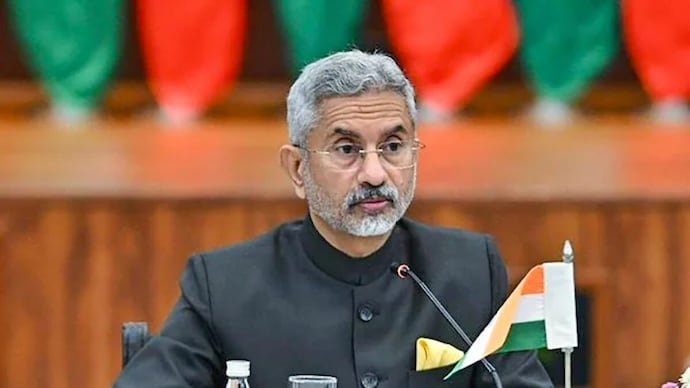
India and the European Union have reaffirmed their commitment to expanding one of the world’s most important strategic partnerships, with External Affairs Minister S. Jaishankar stating that bilateral relations have made significant progress since the landmark India-EU Summit held earlier this year. During his two-day visit to Brussels, Jaishankar held high-level meetings with European Council President Antonio Costa, European Commission Vice President and High Representative Kaja Kallas, and senior Belgian leaders to review cooperation across multiple sectors.
The discussions covered a broad agenda that included trade, emerging technologies, Maritime Security, defence cooperation, resilient global supply chains, and regional stability. The meetings come at a time when both India and the European Union are seeking to diversify economic partnerships, strengthen critical supply chains, and promote a rules-based international order amid evolving geopolitical challenges.
Jaishankar’s visit also coincided with the third meeting of the India-EU Trade and Technology Council (TTC), an institutional platform designed to deepen collaboration in areas that increasingly shape global economic competitiveness and strategic security.
India-EU Brussels Talks: Key Highlights
| Topic | Key Outcome |
|---|---|
| Trade Cooperation | Review of progress following the India-EU Free Trade Agreement framework. |
| Technology | Expanded cooperation under the Trade and Technology Council. |
| Maritime Security | Focus on freedom of navigation and secure global shipping routes. |
| Supply Chains | Strengthening resilient and diversified global supply networks. |
| Regional Security | Discussions on West Asia and broader international stability. |
Why the Brussels Meetings Matter
The India-EU relationship has evolved significantly over the past decade, moving beyond traditional trade discussions toward a broader strategic partnership encompassing technology, defence, connectivity, clean energy, digital governance, and geopolitical cooperation.
The Brussels meetings underline both sides’ intention to build a long-term partnership capable of addressing shared global challenges while creating new economic opportunities for businesses and investors.
As geopolitical uncertainties continue to reshape international trade and security, India and the European Union increasingly view each other as reliable strategic partners capable of supporting stable and diversified economic growth.
Progress Since the Landmark India-EU Summit
During his meeting with European Council President Antonio Costa, Jaishankar acknowledged the significant progress achieved since the India-EU Summit held earlier this year in New Delhi.
The summit marked an important milestone by expanding cooperation across multiple strategic sectors and reinforcing political commitment at the highest level.
According to Jaishankar, discussions in Brussels focused on maintaining the momentum generated by the summit while accelerating implementation of agreed initiatives.
Trade and Technology Remain Central to the Partnership
Economic cooperation continues to be one of the strongest pillars of India-EU relations.
The Trade and Technology Council serves as a dedicated platform for coordinating policies in areas including:
- Digital transformation.
- Artificial intelligence.
- Semiconductor cooperation.
- Advanced manufacturing.
- Critical technologies.
- Innovation ecosystems.
- Research collaboration.
By strengthening cooperation in these sectors, both partners aim to improve technological competitiveness while reducing vulnerabilities in critical industries.
Maritime Security Emerges as a Shared Strategic Priority
One of the most important themes discussed during the Brussels meetings was maritime security.
Safe and uninterrupted maritime trade remains essential for both India and the European Union, particularly as global commerce increasingly faces risks from geopolitical tensions, piracy, and disruptions to major shipping corridors.
The discussions emphasized:
- Freedom of navigation.
- Protection of international shipping.
- Open sea lanes.
- Maritime cooperation.
- Secure Indo-Pacific trade routes.
- Strengthening naval coordination.
With a significant share of global trade transported by sea, ensuring maritime stability has become a common strategic objective.
Building More Resilient Supply Chains
Another major focus of the talks was supply chain resilience.
Recent global disruptions—including geopolitical conflicts, pandemics, and logistical bottlenecks—have highlighted the importance of diversified production networks and reliable trading partners.
India and the European Union are working to strengthen cooperation across critical supply chains involving:
- Semiconductors.
- Critical minerals.
- Pharmaceuticals.
- Clean energy technologies.
- Digital infrastructure.
- Advanced manufacturing components.
Expanding cooperation in these sectors could improve economic resilience while reducing dependence on concentrated supply sources.
Regional Security Discussions
Jaishankar’s meeting with Kaja Kallas also covered important regional and international security developments.
The discussions included the evolving situation in West Asia, the importance of maintaining regional stability, and the broader implications of ongoing geopolitical tensions for global trade and security.
Both sides emphasized the need for peaceful dialogue and international cooperation to address emerging security challenges.
India-EU Cooperation in the Indo-Pacific
The Indo-Pacific continues to be an area of growing strategic importance for both India and the European Union.
As international trade increasingly depends on secure maritime corridors stretching from the Indian Ocean to the Pacific, cooperation in the region has expanded beyond economic engagement to include security coordination.
Discussions also highlighted cooperation between European maritime security missions and the Indian Navy in promoting safe navigation and protecting commercial shipping.
Economic Opportunities with Belgium
Beyond meetings with EU institutions, Jaishankar also engaged with senior leaders from Belgium’s Flanders region to explore investment opportunities and deeper Business collaboration.
The discussions focused on expanding commercial partnerships across sectors such as manufacturing, logistics, technology, innovation, and industrial development.
Belgium serves as an important gateway for Indian companies seeking access to European markets, while Indian businesses continue to attract growing investment interest from European firms.
How the India-EU Partnership Is Expanding
| Area of Cooperation | Strategic Importance |
|---|---|
| Trade | Expanding market access and economic growth. |
| Technology | Innovation, digital transformation and emerging technologies. |
| Security | Counter-terrorism, defence cooperation and strategic stability. |
| Maritime Cooperation | Protection of global shipping and freedom of navigation. |
| Supply Chains | Diversified and resilient global production networks. |
| Investment | Greater business collaboration and industrial partnerships. |
Why Businesses Are Watching India-EU Relations Closely
Closer cooperation between India and the European Union has implications far beyond diplomacy.
Businesses across manufacturing, pharmaceuticals, clean energy, information technology, logistics, automotive, and digital services stand to benefit from improved market access, regulatory cooperation, and stronger investment flows.
A more integrated economic partnership could also encourage greater innovation and create new opportunities for startups and technology companies operating in both regions.
Global Significance of the Growing Partnership
The strengthening India-EU relationship reflects broader shifts in the global economic landscape.
As countries seek trusted partners to navigate geopolitical uncertainty, supply chain disruptions, and technological competition, India and the European Union increasingly recognize the value of long-term strategic cooperation based on shared economic interests and support for a rules-based international order.
The partnership also contributes to greater stability across the Indo-Pacific by promoting secure maritime trade, diversified economic linkages, and collaborative approaches to emerging global challenges.
Future Outlook
The Brussels meetings indicate that India and the European Union are entering a new phase of strategic engagement. With regular dialogue through the Trade and Technology Council, expanding security cooperation, and growing economic integration, both sides are expected to deepen collaboration across several high-priority sectors in the coming years.
Continued progress on trade implementation, technological innovation, maritime security, and investment partnerships will likely remain central to the evolving relationship as both partners respond to an increasingly interconnected global economy.
Conclusion
External Affairs Minister S. Jaishankar’s visit to Brussels underscored the growing depth of the India-EU strategic partnership. Discussions with senior European leaders demonstrated a shared commitment to expanding cooperation in trade, technology, maritime security, supply chain resilience, and regional stability.
As geopolitical and economic dynamics continue to evolve, India and the European Union are positioning themselves as increasingly important partners capable of supporting sustainable growth, secure global trade, and long-term strategic stability. The momentum generated by recent high-level engagements suggests that the partnership is likely to play an even greater role in shaping future economic and security cooperation between Europe and the Indo-Pacific.
For breaking news and live news updates, like us on Facebook or follow us on Twitter and Instagram. Read more on Latest World on thefoxdaily.com.






COMMENTS 0